In its mysterious wisdom, the sovereign of Sachsen-Anhalt has spoken. What he actually said is still anyone’s guess – AfD landslide victory: ja – absolute majority: nein – a five-party-coalition against AfD: possible, but please…
As he insists on “keine Kompromisse”, one wonders how exactly Ulrich Siegmund will turn his triumph into executive power. Fittingly, there’s no coalition partner to test it on. The pro-Ruski populist-left BSW, however, could tolerate an AfD government.
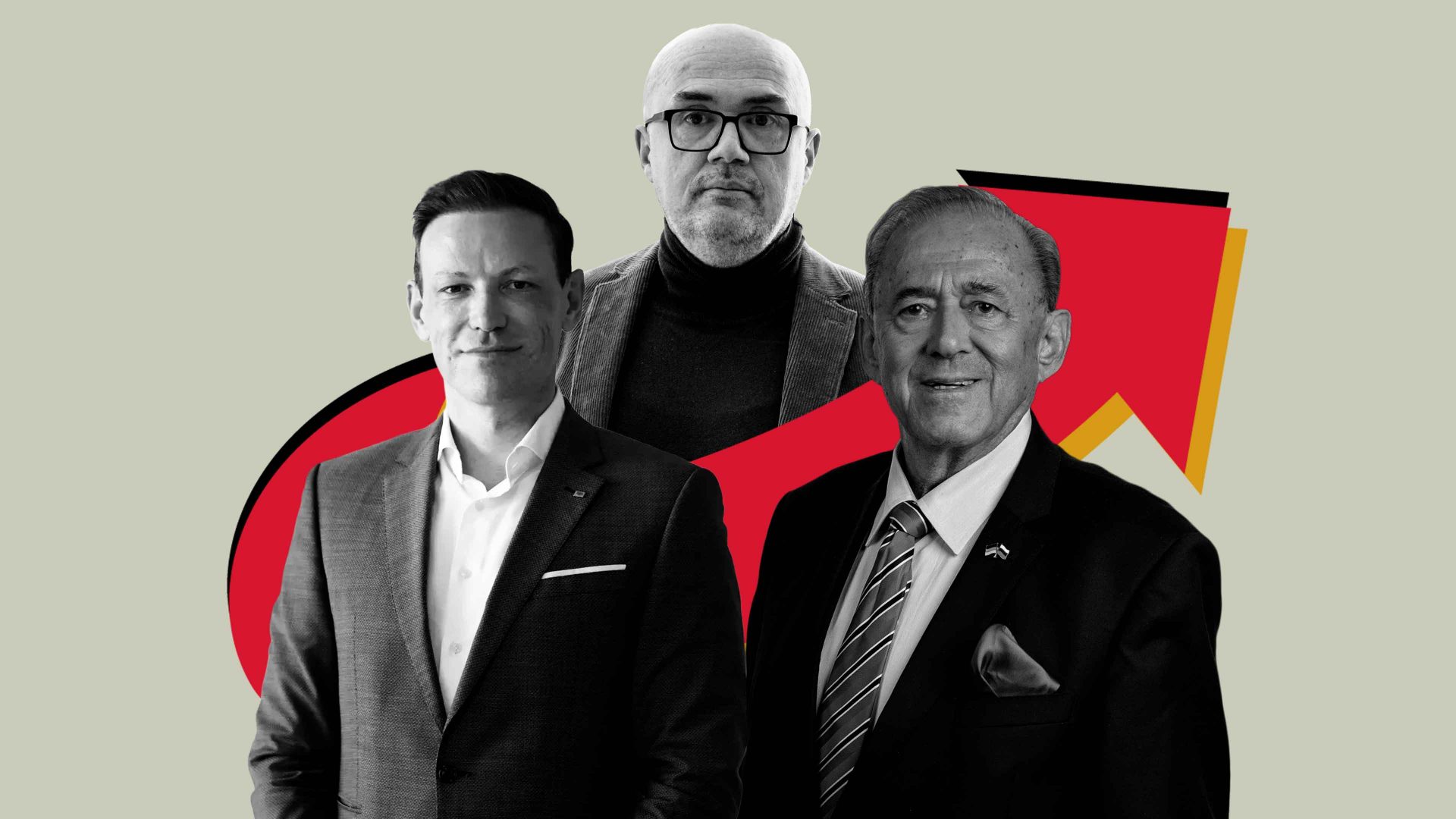
Meanwhile, let’s look at some of the 39 AfD MPs, including two women. Phillipp-Anders Rau comes with the most colourful CV. He’s convicted of theft and later forgery – for manipulating his Abitur certificate to get a place at uni. His lawyer cited cocaine addiction in mitigation. Then, he diversified into acting. In porn films.
There’s also Frank-Ronald Bischoff, the faction’s elder statesman at 78 – and its Stasi veteran, where he served from 1977 to 1989, rising to captain. As Offizier im besonderen Einsatz (officer on special assignment) he worked undercover, posing as a civil servant at the Halberstadt district council, handling exit-visa cases. And we all know how much the GDR loved people who wanted to leave.
Suggested Reading
The stolen Nazi artworks, the AfD and antisemitic stereotypes
AfD’s local brain is Hans-Thomas Tillschneider, who planned a trip to the occupied Donbas after Russia’s attack on Ukraine. When interviewing him before the election, my former colleague Paul Ronzheimer found a Russian army mug (“a gift from 2023 or 2024…”) sitting in his office – Tillschneider tried to take legal action to keep the mug out of the media. He also marked Putin’s birthday in October 2025, at a party thrown at Berlin’s Russian embassy.
Didn’t the voters know (they did) or didn’t they care about all this (they didn’t)? Anyway, these are the wrong questions. The long-standing assumption about AfD voters is that they feel disadvantaged by globalisation, deindustrialisation or cultural changes – that their vote is essentially as a reaction to economic and social displacement.
But, in fact, it’s not the economy, stupid. It is immigration. That’s what a nationwide long-term study, published in August by sociologist Martin Schröder of Saarland University, clearly suggests.
Drawing on more than 110,000 survey responses from nearly 32,000 people between 2014 and 2024, it finds immigration attitudes – not wealth, education or perceived disadvantage – are the dominant factor behind AfD support, among lower-income voters and well-off, well-educated people alike.
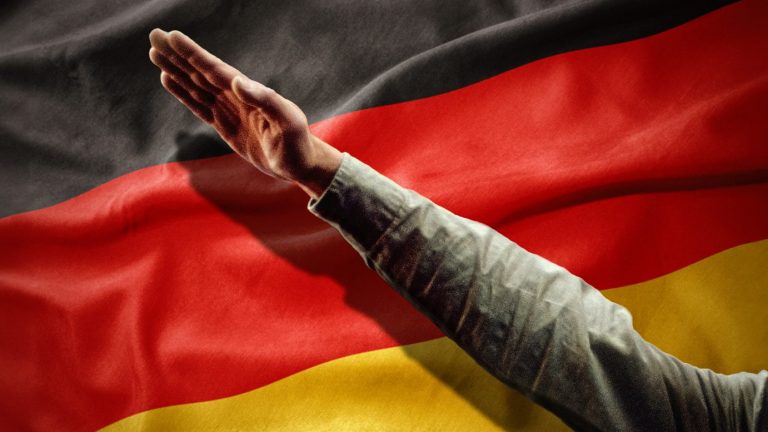
The single strongest predictor of AfD support, according to the study, is whether you are more concerned about immigration than the average. “Lower income, lower education and a subjective sense of disadvantage, by contrast, played a far smaller role than previously assumed,” says Schröder.
Notably, it’s not the actual number of migrants “in a person’s immediate surroundings”, but their perception and assessment of the issue. Which may explain why, in Sachsen-Anhalt, with its relatively low migration share, the AfD still gets so much support.
You may wonder why, with actual numbers falling, the CDU isn’t given any credit. Perhaps James Carville – who coined Clinton’s “economy, stupid” message – offers a clue: it’s not “the immigrant” that’s the problem, he says, but “real or perceived disorder”. That may include the fact that 61.3% of asylum applicants in the first half of 2026 presented no official documentation to German authorities.
And here is the uncomfortable lesson: fewer migrants alone will not make migration concern disappear, because facts change faster than perceptions.