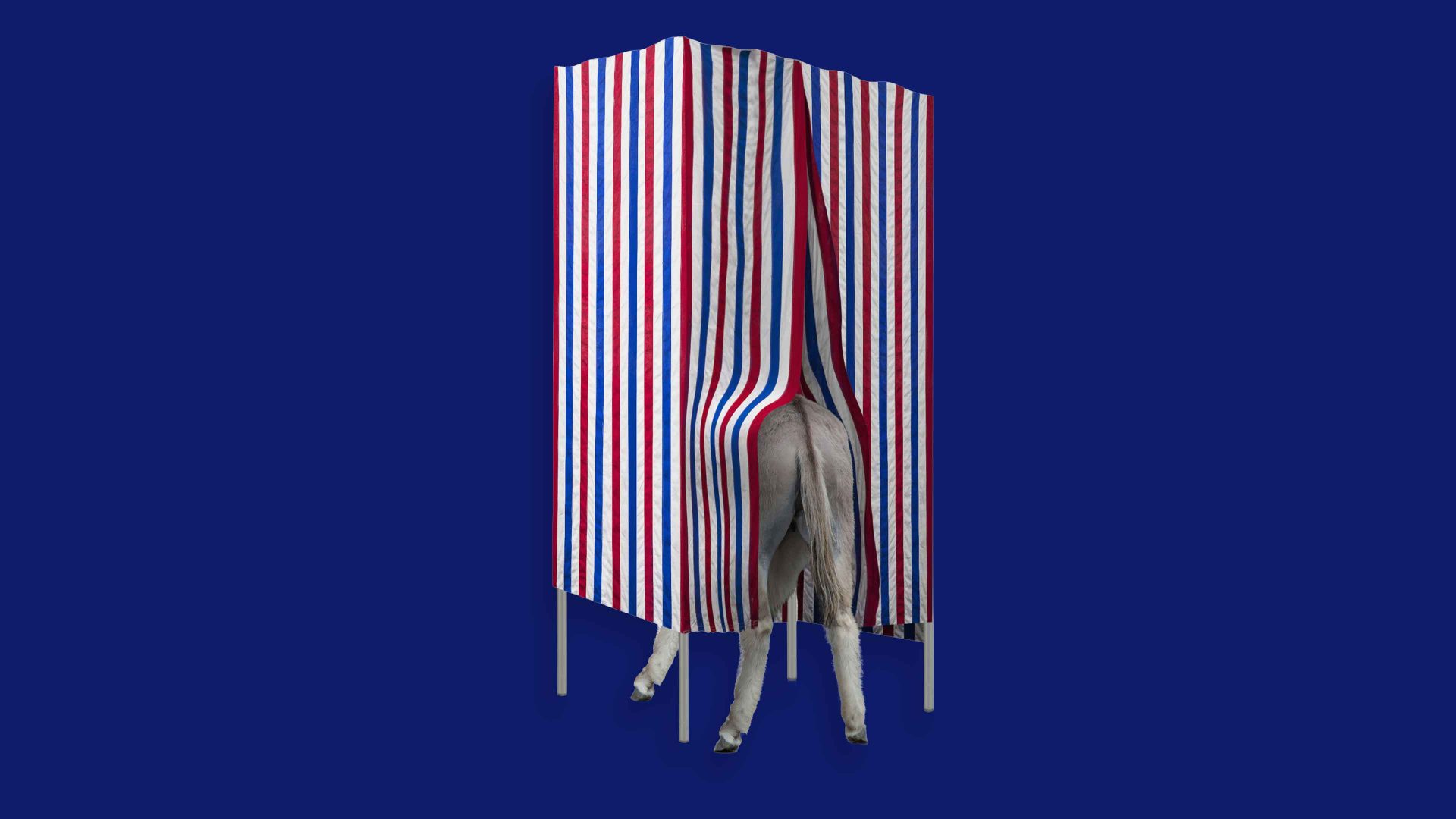
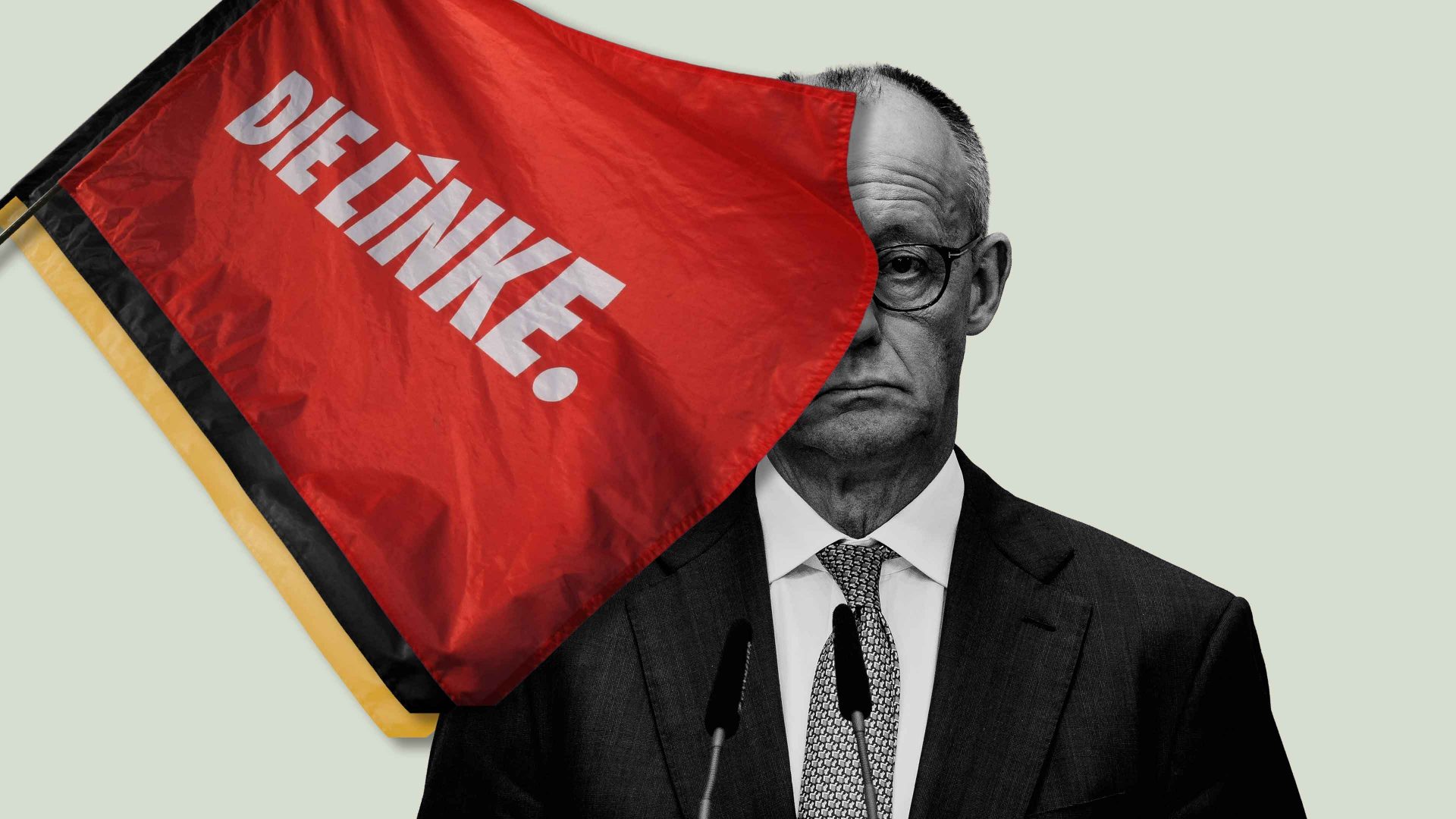
This is live from the political crisis zone formerly known as stable Germany. As I write, there’s no telling whether Friedrich Merz – Germany’s most unpopular chancellor ever, according to current polling – will survive the latest outbreak of frustration in his own party, the CDU.
For the first time in its history, the Christian Democrats have been kicked out of a state parliament. Never mind that Mecklenburg Vorpommern, with 1.6 million inhabitants, is the least populated German region. Never mind that the CDU’s collapse can partly be explained by tactical voting in a campaign that was reduced to the incumbent SPD (Social Democrat) versus the AfD (far right).
The CDU is hurting. Its parliamentary group is ablaze. Lower party ranks have been publicly mutinous for weeks. And the Ministerpräsidenten, while issuing a formal statement of support of “the Chancellor” (no name attached) last week, continue to scheme behind the scenes.
Changing the chancellor isn’t half as easy as changing a British PM. They know that even if Merz went, the problems would stay, and that early elections would turn into a Schlachtfest (carnage) for everyone except AfD – and the hard leftists of Die Linke.
Which brings us neatly to the other side of Germany’s political misery. Much of the attention, understandably, is on the far right. But let’s not pretend the far left is a knitting circle. They are equally dangerous. And yes, I mean that.
In Berlin, Die Linke doubled their 2023 result and gained 25.7%, winning nearly half of the votes from Berliners aged 16-34. Die Linke wants to de-fund the police, make it (even) easier to get a German passport, abolish domestic intelligence (a mental shake-hands with AfD), reduce the little CCTV Berlin has, and introduce a “luxury villa tax”.
On election night, the Berlin party leader Elif Eralp made it clear she stands by her campaign promise: transferring large housing corporations into public ownership. “I insist that we nationalise these companies,” said Eralp, stating that every Berliner should live “in dignity”.
Sounds like Little Lord Fauntleroy rooting for people in the fever-ridden slum cottages on his granddad’s estate. But jokes aside – there is a housing crisis in Berlin. There is also a small matter called “paying for things”. Nationalisation, difficult as it is anyway, cannot happen without compensation.
Suggested Reading
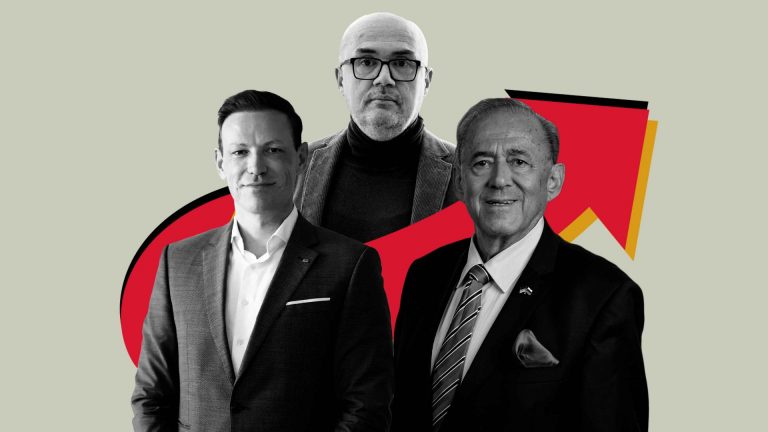
Pornstars, spies and Putin fanboys – meet the AfD
This would amount to an estimated €20bn, which is money that Berlin doesn’t have – the city is subsidised by wealthier states such as Bavaria. Most importantly, however, it would mean even less money to actually build a single new flat. It’s a ridiculous populist proposal.
Should you feel reminded of Jeremy Corbyn – Berlin’s Die Linke actually invited him in 2025, but then withdrew the invitation because of his friendliness with Hezbollah and Hamas. Instead, this year they had a rapper calling for “Yalla Yalla Intifada Westbank, Palästina, Gaza” at a party event.
Suggested Reading
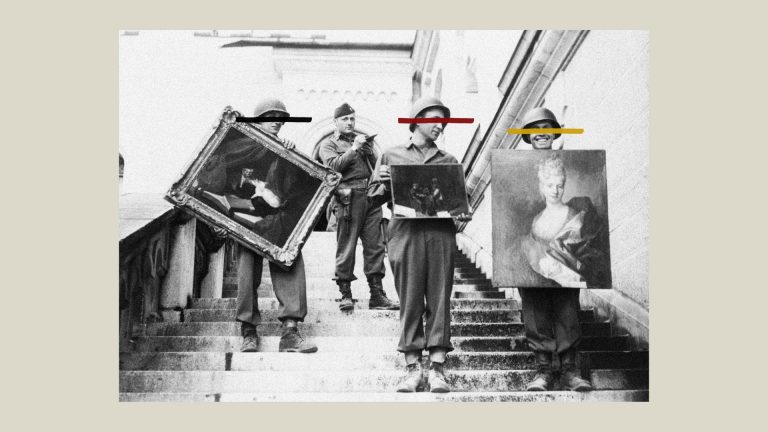
The stolen Nazi artworks, the AfD and antisemitic stereotypes
The national and local party leaders regularly criticise antisemitism among their own as “totally unacceptable”, yet the sympathies remain all too obvious: on election night, prominent Linke figures posed for photographs with Ibrahim Ibrahim, a supporter of the Popular Front for the Liberation of Palestine, who called Hamas leader Yahya Sinwar a “martyr hero”.
None of this makes the AfD less problematic. It does, however, make one point increasingly difficult to ignore: Germany’s political extremes are, in a sense, communicating vessels. The stronger one becomes, the more fuel it provides for the other. The more voters recoil from one extreme, the greater the temptation to seek refuge at the opposite end.