The authoritarian right has a big new idea: that “suicidal empathy” will end western civilisation. There was little evidence of an empathy surplus in Cambridge this month.
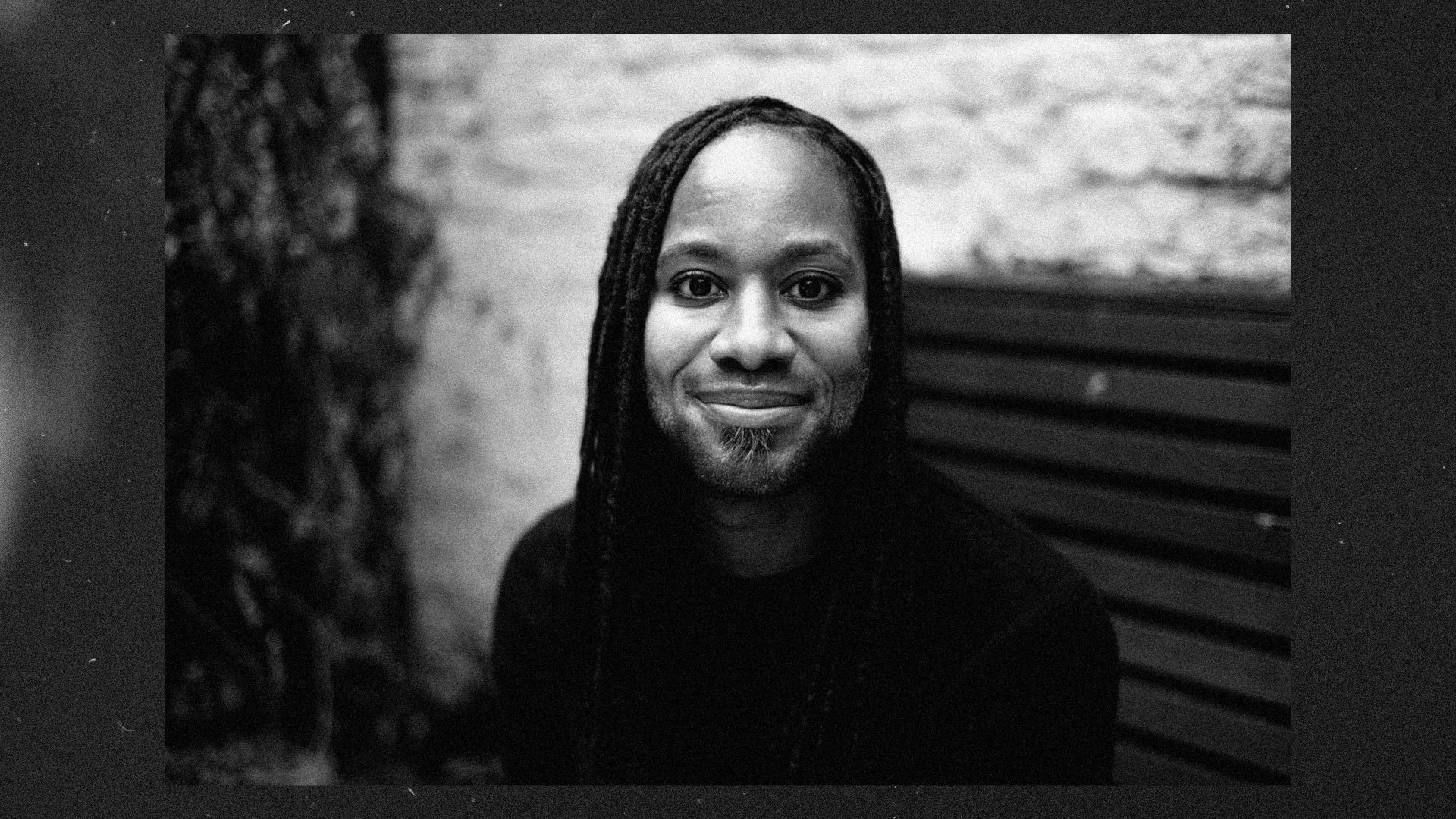
The news of the death of Jason Arday broke on Friday night not long after the government’s emergency warning about the dangers of playing with fire in a heatwave. The story of professor Arday’s rise and fall at Cambridge University had spread like wildfire in the tinderbox of the national media’s August drought. His life made such a compelling symbolic battlefield for our times that too many forgot there was a real person involved – until it was too late.
Arday was undoubtedly pursued with malign racist intent. The former Cambridge fellow Nathan Cofnas – who has declared that there would be almost no black academics on merit, nor many black public voices outside sport and light entertainment – sought credit for lighting the fuse of a media storm, while declaring his ambition to one day be professor “of Eugenics and Race Science” at Harvard.
Yet proper experts saw scholarly questions to answer too. Mainstream inquiries about allegations of academic plagiarism were put to Arday by the Times Higher Education Supplement, but these were rebuffed with legal threats. This is when the odious Cofnas took his chance, claiming that Arday’s PhD was plagiarised.
Some of those who rallied to Arday’s defence – after hearing who his enemies were – regretted not looking into the details more before declaring that all allegations were baseless.
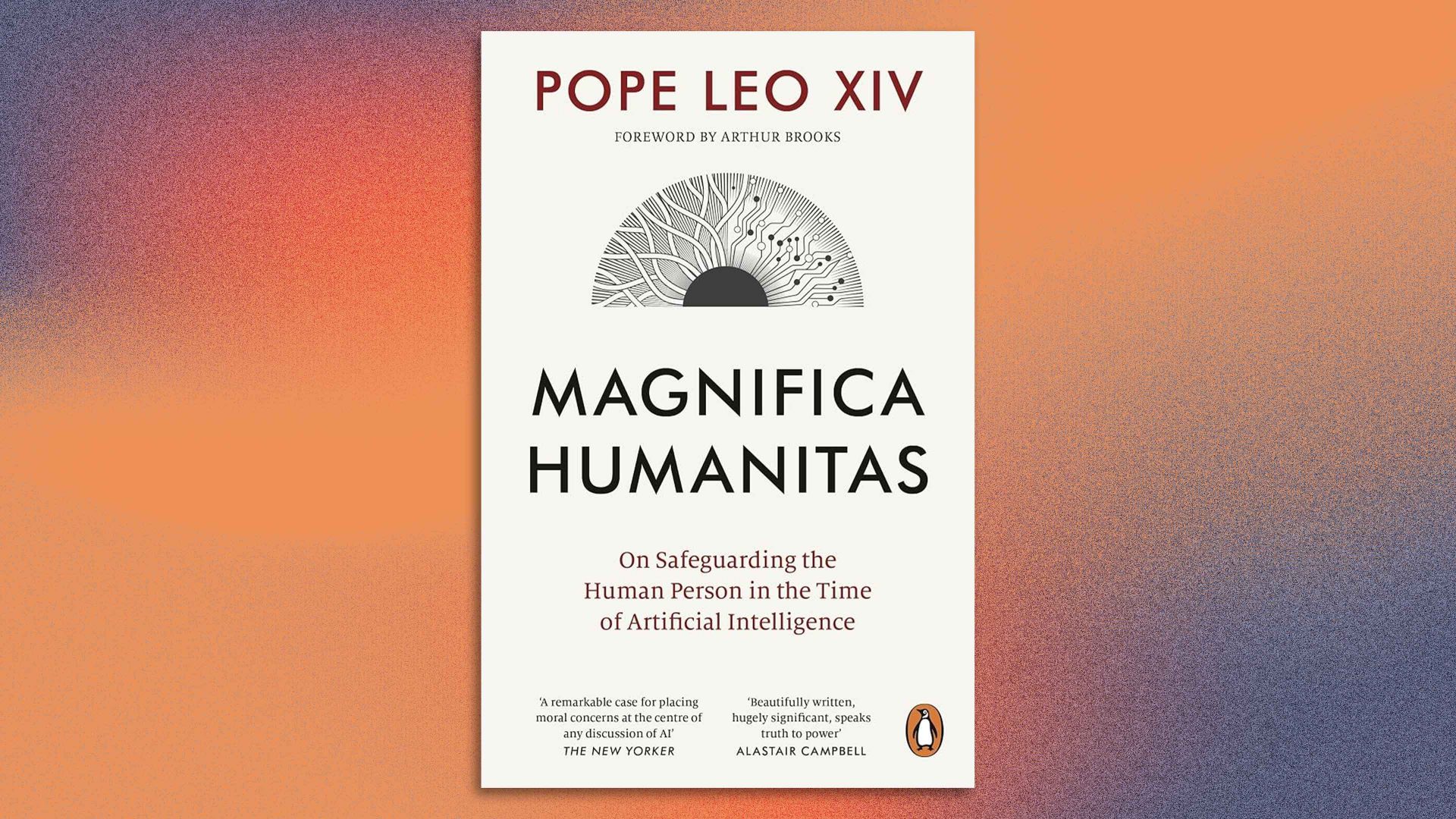
“What if my story ends up being a cautionary tale like Icarus about flying too close to the sun?” Arday wrote in his memoir Great and Unfortunate Things. He has received a million dollar advance from Simon & Schuster for that book, and it helped the story to spiral well beyond the academy.
The Guardian’s Lanre Bakare uncovered several tales about Arday’s past described in that book that were too good to be true: he was still mute at eleven, and illiterate at 18, yet rose to become Cambridge’s youngest ever black professor at 37. Whether these episodes were a case of Arday stretching reality into legend, of sincere neurodivergent confabulation or of straight fabrication, is not clear.
Arday resigned as soon as Cambridge flipped from staunch support to reinvestigating his academic credentials. He could not have been clearer about why. “It is simply the decision of someone who has reached the limits of what any person should reasonably be expected to endure”.
The core tragedy was that Arday’s resignation did not quell the controversy. Rather, intense media coverage spiralled. While Arday held his Cambridge role, these were legitimate questions, if disproportionately reported. In the week between Arday’s resignation and his death, there were two hundred more national media pieces about him. His Cambridge colleague and friend Lord Simon Woolley called it “a literal bloodsport”.
Prime minister Andy Burnham declared Arday’s death “a tragedy on many levels”. His call for reflection, rather than a rush for judgement, may not connect with the angriest. The press regulator IPSO has had thousands of complaints – but nothing in its voluntary code covers the cumulative intensity of coverage. There are calls for a public inquiry. It is unclear what remedies it could suggest.
The Oxbridge universities have made much stronger progress on diversity – primarily in student admissions – than most realise. They were 95% white for my generation of students, three decades ago. About four in ten students are ethnic minorities today, including around a third of British undergraduates.
The core challenge is no longer how to prevent black and Asian students believing they could not get in, or fit in if they did. Indeed, ethnic minority sixth formers are more likely than their white British peers to take a shot at Oxbridge, making 42% of UK undergraduate applications to Cambridge last year.
Yet that very progress makes the gap between an increasingly diverse student body and the more monochrome senior faculty more glaring. What Arday’s case captures above all is how far elite institutions remain from treating ethnic diversity as simply normal.
Suggested Reading

Nigel Farage and the politics of murder
Of 795 professors at Cambridge, only around five are black. Around fifty are Asian. That data makes a hypothesis of woke “black privilege” in hiring seem absurd. Yet anxiety about this diversity deficit did lead to Cambridge championing Arday as a role model, particularly for his exceptional back-story. The vice-chancellor has since sent public messages to “scholars of colour” to tell them – bizarrely – that they are not in any way implicated in the Arday controversy.
With a little more empathy in our media culture, an academic controversy have been contained within the academic cloisters in which it began. Instead it became a death sentence for the talented but troubled professor Arday.