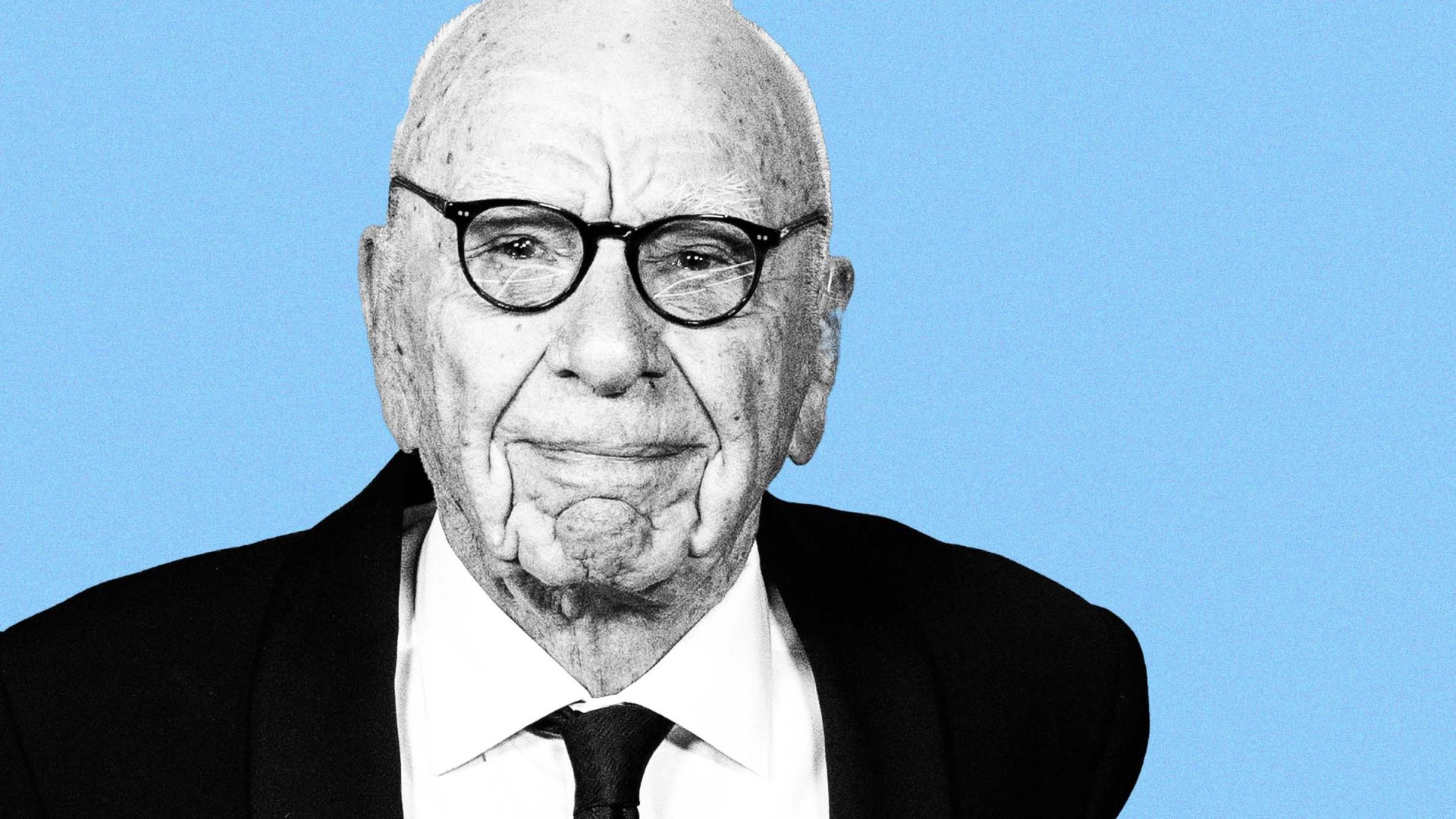
Rupert Murdoch inherited a parochial Adelaide newspaper from his dad, Keith, and turned it into a global media empire. But Rupert inherited more than just newspapers. His father helped to forge the relationship in Australia between media, business and conservative politics.
Rupert took that blend and made it global. He has helped to make and break governments, shaped elections, and turned tabloid journalism into one of the defining political forces of the modern age. But now, things look different for the Murdoch empire – very different indeed.
Back in their heyday, the Murdoch newspapers were huge business – they were the business. But today, they are a shell of what they once were, little more than media brands.
In 1971, the Sun News-Pictorial’s daily circulation was 650,000, extraordinary for a country of 13 million people. In 1990, it was merged with the Herald to create the Herald-Sun, and by 2017 its weekday circulation had fallen to just over 300,000. Shortly after that, Australian publishers stopped releasing their circulation figures. The reason – they were dropping like a stone.
Suggested Reading


Why the Aussies are the only ones standing up to the tech giants
Murdoch’s Australian business, the one that launched his global ascent, isn’t really a newspaper company any more. It’s a digital property listings business. Looking for a flat in Fulham, a loft in Manhattan, a condo in Chicago or a des-res with a pool in Sydney? Murdoch’s empire – News Corp – is now as likely to determine where you live as how you vote.
Announcing the company’s third-quarter results in May, chief executive Robert Thomson credited News Corp’s “core growth engines” with the “transformation of our business”. Newspapers do not figure in that picture. Instead, the company now makes money from three sources: Digital Real Estate Services, Dow Jones and HarperCollins.
Murdoch’s Digital Real Estate Services company is built on the huge reach of realestate.com.au, the biggest property listings site in Australia. He also owns the US housing platform Realtor.com, and a growing portfolio of digital property businesses. (Back in 2024, Murdoch made a £6.1bn offer for Rightmove, the property listing site that controls 80% of the UK market. That bid was eventually abandoned.)
He also owns Dow Jones and through that the Wall Street Journal, but Dow Jones also provides financial news and business intelligence to institutions worldwide, while HarperCollins is one of the world’s biggest book publishers. This is where News Corp’s growth comes from.
But, while investors might see News Corp as a diversified information company, for much of the public it remains synonymous with newspapers. That is why, though circulations have dipped, it has not noticeably diminished Murdoch’s influence on Australia’s national political conversation. Despite the recent succession that has placed his son, Lachlan, at the helm – and the uncertainty that has accompanied that transfer of power – the Australian operation has shown more continuity than rupture.
This goes to the paradox at the heart of the Murdoch empire: the newspapers matter less to the company’s balance sheet nowadays, but they remain central to its identity and its ability to shape Australia’s national debate.
Suggested Reading
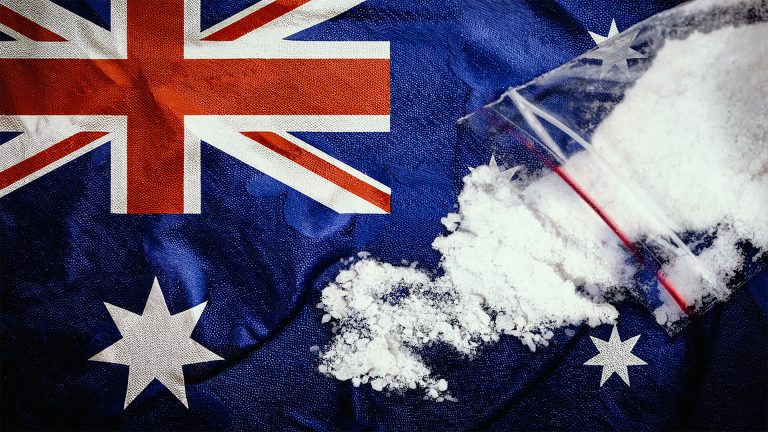
Face it Australia – you’re the biggest coke-heads in the world
But some things have changed. With global expansion, the company became more corporate. The flamboyant editors of the past were once archetypal Australian hard men in crumpled suits. They worked in newsrooms of black-and-white vinyl floors, lazily turning ceiling fans, the incessant clatter of typewriters and the permanent fug of cigarette smoke.
Many of those old newspaper hands followed Murdoch to London and New York as he built his empire. But now they are gone, replaced by a sleek managerial generation more likely to have MBAs than ink-stained fingers.
The old editors may have disappeared, but the old connections remain. The appointment of the former Liberal prime minister Tony Abbott to the Fox Corp board and his election this year as federal president of the Liberal Party underscore the Murdoch organisation’s long-standing presence within the Australian conservative establishment. (Keith Murdoch was a central figure in the founding of the Australian Liberal Party.)
The flagship paper, the Australian, is closely followed in Canberra, while its tabloids still have robust readerships in Brisbane, Melbourne and Sydney.
But Murdoch’s influence now comes via amplification. Stories that begin in the Australian or a News Corp tabloid are recycled across television, radio, digital outlets and social media, giving the company’s journalism an audience beyond its own readership.
For the Murdoch group, now, this secondary influence matters more than sales figures. It also explains why falling subscriptions have not translated directly into declining influence. The Australian newspapers may not be the commercial heart of News Corp, but they remain its face.
His death, when it comes, need not mean the death of his newspapers; their value to News Corp has long since ceased to be measured in copies sold. Their contribution to the bottom line will probably continue to shrink while they survive as brands, political voices and repositories of the Murdoch identity, even when the old man is finally gone.
Lynne O’Donnell is an associate editor of The New World