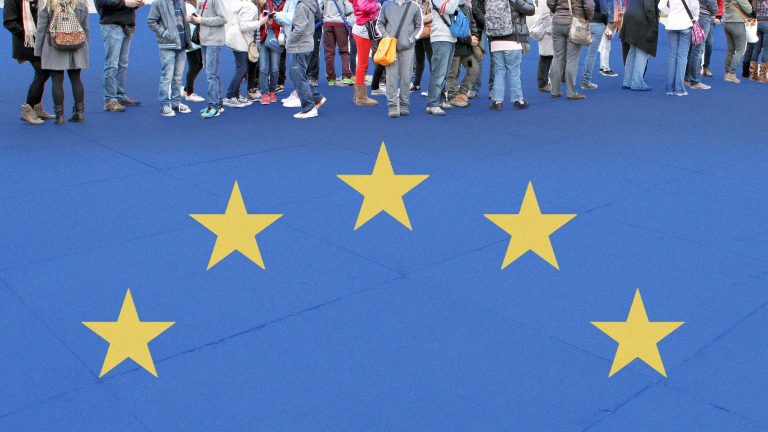
When Britain made the fateful decision to leave the EU, its strongest supporters predicted it would set an example, with countries across the continent watching our bid to wrench ourselves free from the bloc and venture unburdened into the world.
Immediately after the referendum result 10 years ago, Nigel Farage declared that Brexit would trigger a “domino effect” which would eventually collapse the EU, predicting that Italy, Denmark and the Netherlands would be next out of the door.
On the continent itself, Marine Le Pen echoed Farage’s language in celebrating the vote which would “set off the domino effect that will bring down all of Europe” (younger readers at this point may wish to know that building up lines of dominoes to knock each other down was a pastime briefly popular in the 1980s, before the Nintendo Entertainment System was invented).
And over the Atlantic, Donald Trump – the man who insisted “They call me Mr Brexit over there”, like an odious, orange Roger Hargreaves character – used his famed understanding of the European institutions to claim that “others will leave” as Brexit would show how difficult it would be for the EU to stay together.
Spoiler alert: no other nation has since left the European Union. But in the past few days alone you can look north, east and west of the UK to see how Brexit has proved a shining international example – of how a modern-day nation state does not conduct itself.
Suggested Reading


Inside the EU’s crisis war room
Look north, to Iceland, which in three months will vote on whether or not to continue accession talks with the EU. There its foreign minister, Þorgerður Katrín Gunnarsdóttir, has spoken of a “Brexit moment”, albeit not one which Farage and his mob will draw succour from.
Gunnarsdóttir this week warned her country was being hit with misinformation and rhetoric taken “from the playbook of Nigel Farage and Reform”, saying: “I am fearing that we will face a Brexit moment”. “That would be, from my point of view, a rather dangerous path because… there were all kinds of lies put forward by the Brexiteers,” she told the Guardian.
Brexit, she said, “should be an example of how not to run a campaign” rather than something to be emulated. “Nothing of what they promised has actually been activated or realised.”
Reform themselves – to whom foreign interference in another country’s vote is, of course, anathema – has offered support to the Icelandic ‘keep out’ campaign, saying: “We wish them well in staying outside of the EU.” Current polling suggests 42% of Icelanders are in favour of reopening accession talks and 39% opposed.
Look east to Switzerland, where the country will next month vote on a highly polarising initiative to cap the population at 10 million by 2050, and there too Brexit looms. The right wing populist Swiss People’s Party argues that immigration is “out of control” and must be curbed even if that ultimately jeopardises the Agreement on the Free Movement of Persons with the EU (not unlike the UK abandoning freedom of movement after Brexit).
But unconvinced Swiss voters are noticing that, rather than leading to a drop in immigration, Britain’s new points-based system ultimately boosted inflows from non-EU countries, while EU arrivals fell sharply. Around 1.5 million EU citizens live in Switzerland, with more than 400 000 cross-border commuters travelling in daily from France, Germany, Italy and Austria. Swiss firms are increasingly pointing to Brexit to warn that ending or modifying free movement could lengthen work-permit lead times, raise salary thresholds and force firms to relocate roles to EU hubs.
Suggested Reading


There is no more room for failures. Andy Burnham, you’ve been warned
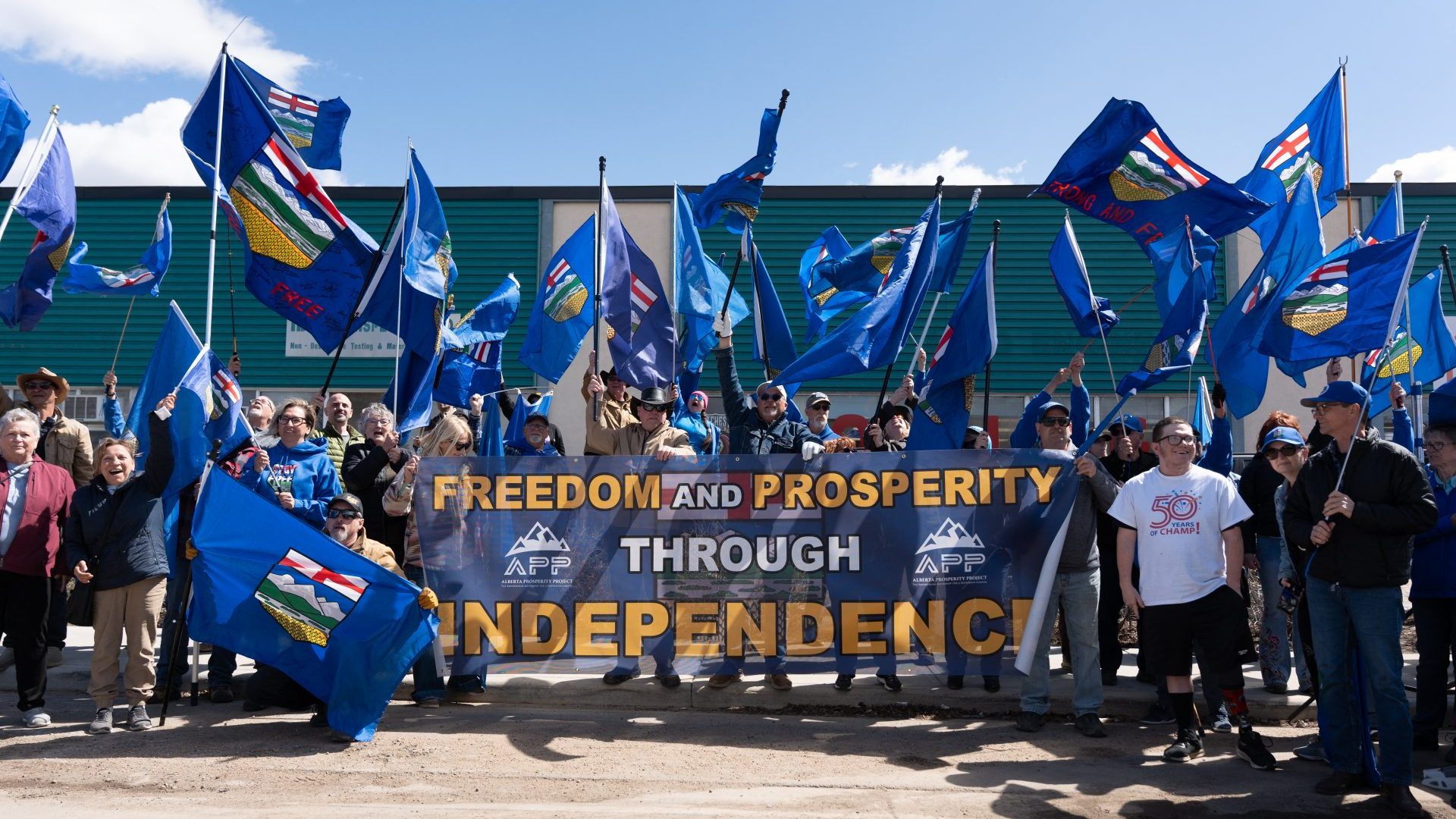
And what of a country which isn’t in the EU, or even Europe, but some increasingly only half-jokingly say should be? Canada faces its own in-out vote in October, this time with the province of Alberta taking to the polls on whether it should go it alone. And once again, Brexit is being seen as an example of what not to do.
Mark Carney, the prime minister (famously dismissed by short-lived former Discovery+ reality TV star Jacob Rees-Mogg as a “failed Canadian politician”), is taking the threat seriously. He was governor of the Bank of England during the Brexit referendum and has called Alberta’s vote a “dangerous bluff”.
This week, Ian Cooper, a senior research fellow at Dublin City University’s Brexit Institute and a native of Alberta, said the vote was giving him “a feeling of déjà vu”.
He told Radio Canada: “I think that Brexit has a lot of lessons to teach Albertans about the dangers of… a referendum on separation” before drawing a comparison between Alberta premier Danielle Smith, who called the referendum, and hapless former British PM David Cameron.
“He was a conservative, and he was in favour of Remain, but he called the referendum thinking that that would put the issue to rest for a time”, he said. “But also he was trying to appease the hardliners in his own party. She certainly should be looking at what happened to David Cameron and taking that as a cautionary tale. Otherwise, she’s sleepwalking into trouble.”
One week, three countries, three referenda, on two continents. And all of them using the framing of our own, fully a decade on, on exactly what not to do. Farage was right, in one respect: after all this time, we are an example – if only not in the way he might have thought. Ah well. You’re welcome, world.
 Most popular

My truly deranged encounter with Trump apologist Kellyanne Conway

Suella Braverman’s book has sold only 106 copies. This is why

The moral depravity of Robert Jenrick
Hungary’s lesson to the world: Populism isn’t permanent