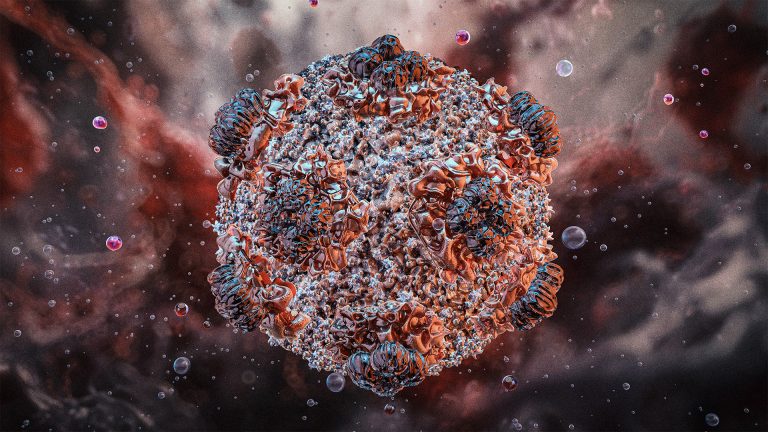
When the cruise ship MV Hondius docked in Tenerife, an island territory of an EU nation, everyone involved knew that they had an enormous problem on their hands. The ship was host to an outbreak of Hantavirus that had already killed three people on board.
Now, some of those remaining needed urgent medical attention, while everyone needed repatriating to their home countries – where they would need to be quarantined in some way or other for at least six weeks. Someone would have to look after the crew and get them home, too. And it was clearly all too much for the infrastructure of a small island like Tenerife to handle.
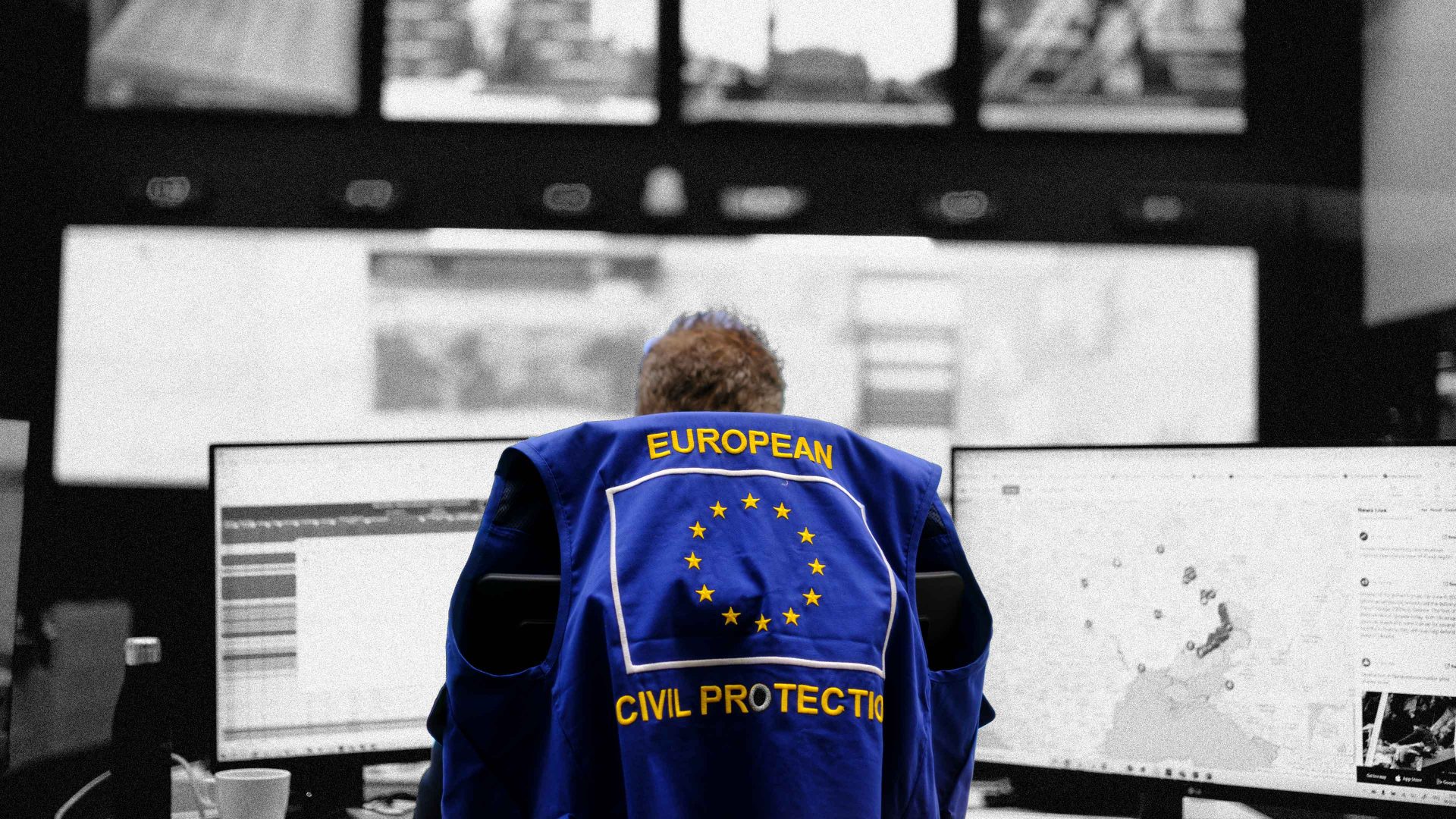
The job of coordinating a pan-European response to this kind of emergency falls upon the Emergency Response Coordination Centre (ERCC), a 24/7 operations room headquartered in Brussels, a few minutes from the European Commission buildings, but with satellite offices and emergency stockpiles distributed across Europe.
Suggested Reading

Hantavirus: the disease with no vaccine
It was the ERCC that handled communications between at least ten EU member states handling the repatriation of their citizens from the MV Hondius, reducing the number of flights needed even as it negotiated and agreed a quarantine regime across member states. The ERCC also clears bureaucratic roadblocks, including cash: member states that step up to help in an emergency will be compensated for their efforts.
The Hantavirus incident was just one crisis among many that the ERCC now routinely handles. Its predecessor was set up as an emergency civil contingencies division in October 2001 – official materials are vague as to how much of a role 9/11 played in its foundation – and its emergency mechanisms have been activated at least 838 times since.
The pace of disasters seems to be intensifying, too. In 2025 alone, the ERCC was activated 64 times – almost twice the average since its inception – for crises including Storm Éowyn in Ireland, wildfires across southern Europe, and disease outbreaks.
It also handles humanitarian crises across the world: the EU is the largest supplier of aid and relief to Gaza, for example, but is also coordinating support in Sudan, Yemen, the Democratic Republic of Congo, alongside lower-profile ongoing crises. The largest operation in its history, though, is the result of Russia’s invasion of Ukraine.
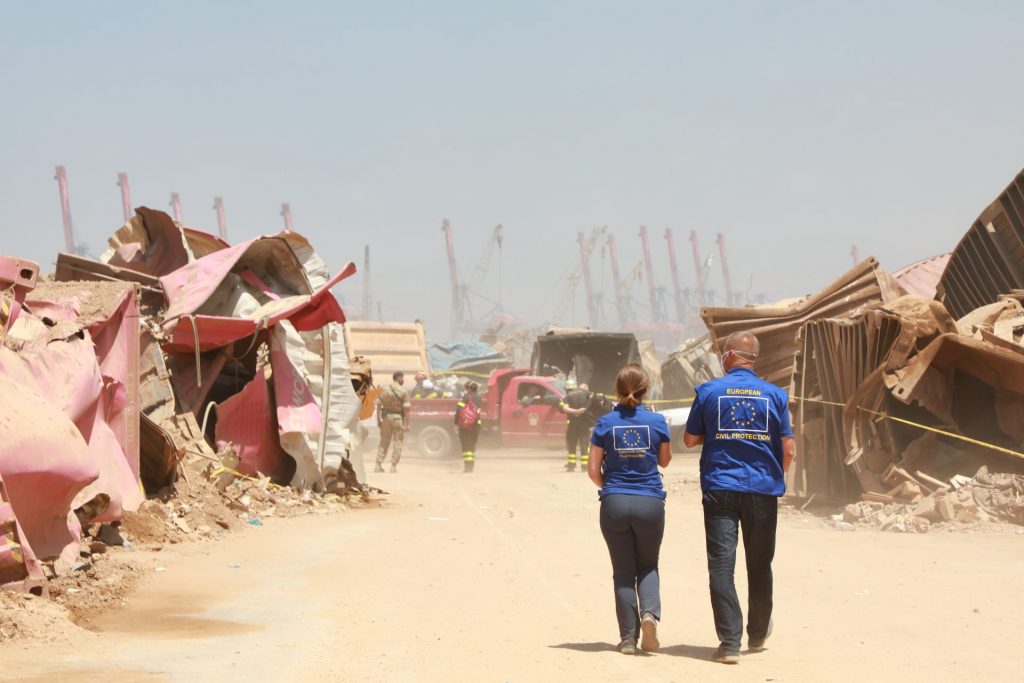
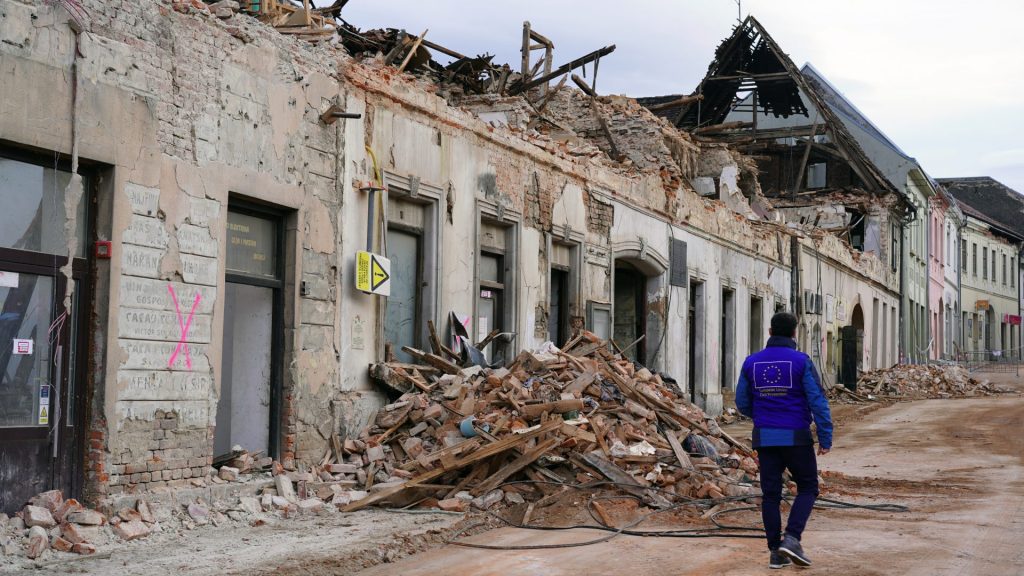
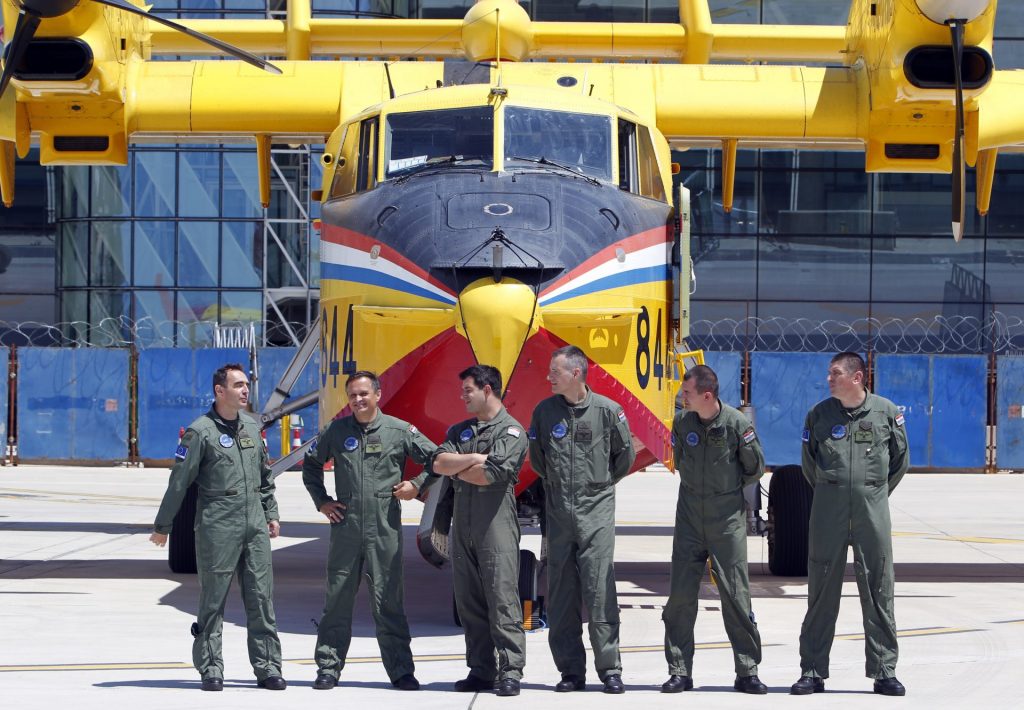
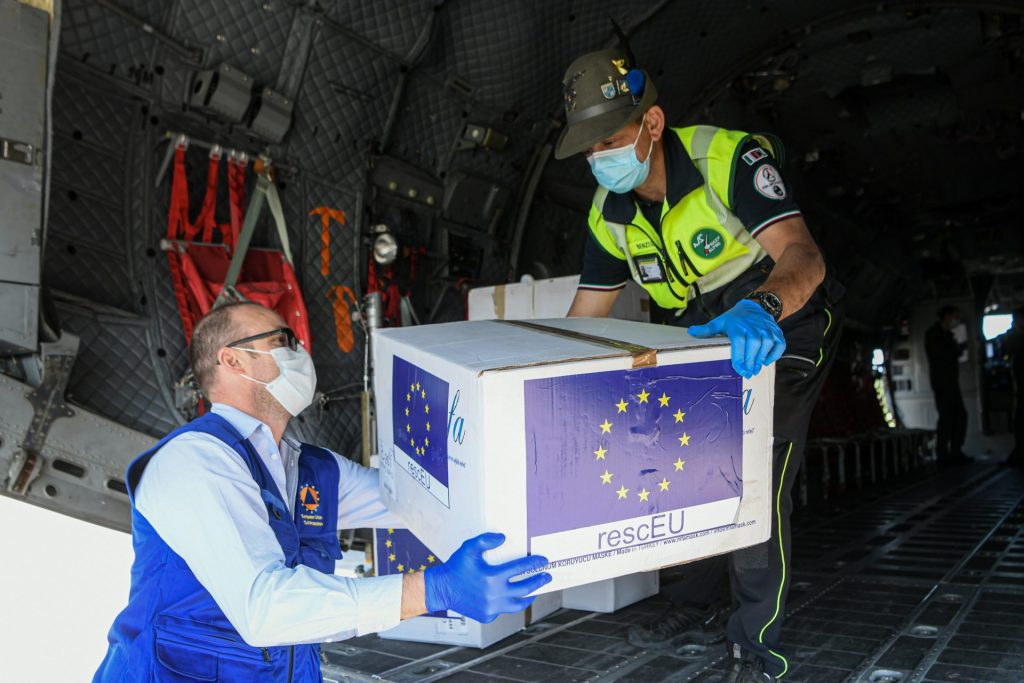
The civil contingency support is mostly for Ukraine’s power infrastructure. The team helped support the dismantling of an entire power plant in Vilnius so that its parts could be used to repair Ukraine’s electricity generation after Russian bombardment.
All of this is part of an extensive briefing for a small group of European influencers and media outlets who have been given a rare tour of the ERCC’s operations centre in Brussels, seemingly because the team is all too aware that its work flies almost entirely underneath the radar. The New World is the only British outlet invited along for the visit in a post-Brexit world – while ten non-EU countries have signed up to the initiative, the UK is not among them.
All the same, the ERCC Operations Room is still showing the BBC, alongside Euronews, France 24, and CGTN (China Global Television Network) on huge screens, alongside a live view of global disaster hotspots, produced by a joint UN-EU initiative.
An array of world clocks are set to recent crisis hotspots: one shows the time in Kyiv, one in Gaza, while the rest show GMT, Brussels and – no one is quite sure why – Chile. A cabinet in the corner is full of awards for various initiatives, along with a Lego model of a Maersk container ship. Once again, no one has any idea why.
Suggested Reading
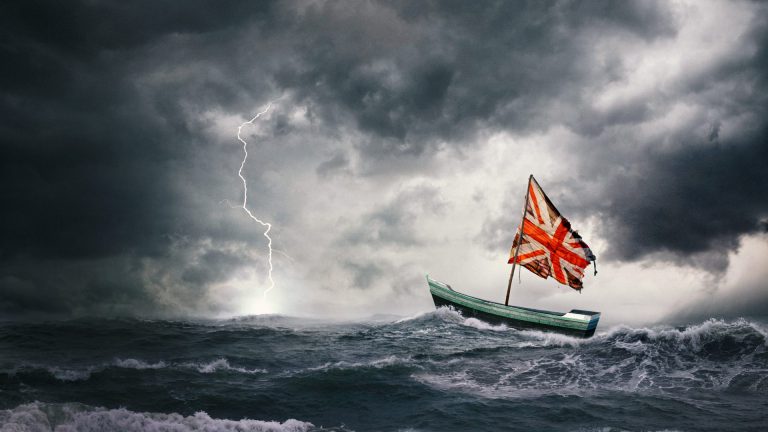
How to put the wind back in Britain’s sails
The operations room is filled with horseshoe desks, each with three monitors and two phones, with a whiteboard on one wall showing emergency phonelines for Ukraine repatriations or wildfire response teams. On this particular Saturday, with no obvious crises ongoing, a skeleton staff of two stare at their screens in silence as we watch them through soundproofed glass.
The ERCC is a collaborative enterprise at a time when nationalist leaders across the world encourage countries to look out only for themselves. The ERCC has its own stockpiles of medical supplies, aid, field hospitals, and even planes, but generally tries to encourage member states to use their own resources first – even if it will financially compensate them for doing so.
It will also help states across the world, even if they are not members, should they ask for help. That has put it on deck for crises given many others have quit the stage. Elon Musk’s DOGE failed at almost everything it attempted, except for the shuttering of USAID – America’s international development agency. Under Labour, the UK has halved its international aid budget and is contemplating further cuts. Against a backdrop of permacrisis, the ERCC is looking lonelier and lonelier as a first responder.
Perhaps this is why the European Commission has convened a Citizens’ Assembly – a randomly chosen cohort of citizens from across Europe, brought to Brussels across three weekends – on crises and disaster preparedness, to learn about crisis response and present recommendations on what to do. When the kinds of crises that used to dominate the news for months seem to happen every week, what should Europe be doing?
It is safe to say the citizens have no shortage of tasks for EU officials to get on with. A list of 20 recommendations produced by the citizens started with the small and practical: schools should teach pupils how to prepare for emergencies like wildfires; the EU should coordinate disaster preparedness weeks; and EU nations should coordinate on tackling misinformation during crises.
Other measures, though, were more ambitious. The EU should have a single point of information for emergencies and crises, to avoid confused and jumbled messaging during major disasters such as Covid. European nations should have unified early warning and messaging systems. Language and signage around disasters should be standardised, as should advice on preparedness for disaster.
Suggested Reading
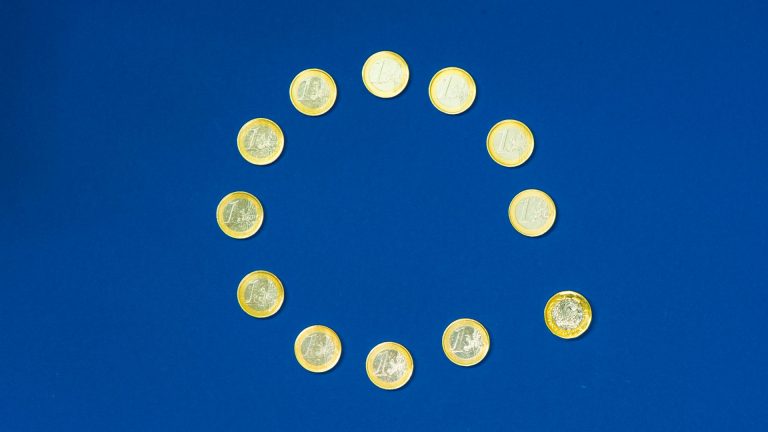
Brexit was for the rich, and they’re not even pretending anymore
All of that was just the warm-up, though. Once the citizens got going, they decided much more needed to be done to make Europe ready to handle the relentless pace of 21st century crises. The EU should work to reduce reliance on rare earth metals from outside the EU, they said. Europe should be energy independent.
The EU should invest in digital infrastructure, so that the continent wasn’t reliant on US big tech in an emergency. The EU needed proper food sovereignty, and to support farmers to do so.
If EU officials were looking for an easy to-do list, they certainly didn’t get it here. But the exercise was still an interesting one to watch.
When hundreds of citizens from across Europe were brought together and asked about what Europe was doing to tackle crises at home and around the world, they didn’t want it to do less. Instead, they were asking for more – much more.
 Most popular

My truly deranged encounter with Trump apologist Kellyanne Conway
The moral depravity of Robert Jenrick

Is this the real reason Trump keeps falling asleep in public?
Suella Braverman’s book has sold only 106 copies. This is why