
The United Kingdom is a parliamentary democracy. Somehow, this fact has recently come as a shock to multiple prime ministers. For a while, Boris Johnson assumed that his unique persona and the sheer scale of his electoral victory would allow him to govern like a boy king.
In the end, his downfall was caused by a number of different factors, but one of the main ones was that his own MPs got tired of him.
Liz Truss lived in her own fairytale for a very short amount of time, before being quite violently brought back to earth, both by gravity and the parliamentary Conservative party. Rishi Sunak was only ever going to be an interlude – the human equivalent of elevator music while the country waited to give the Tories a pasting – and he served that purpose well.
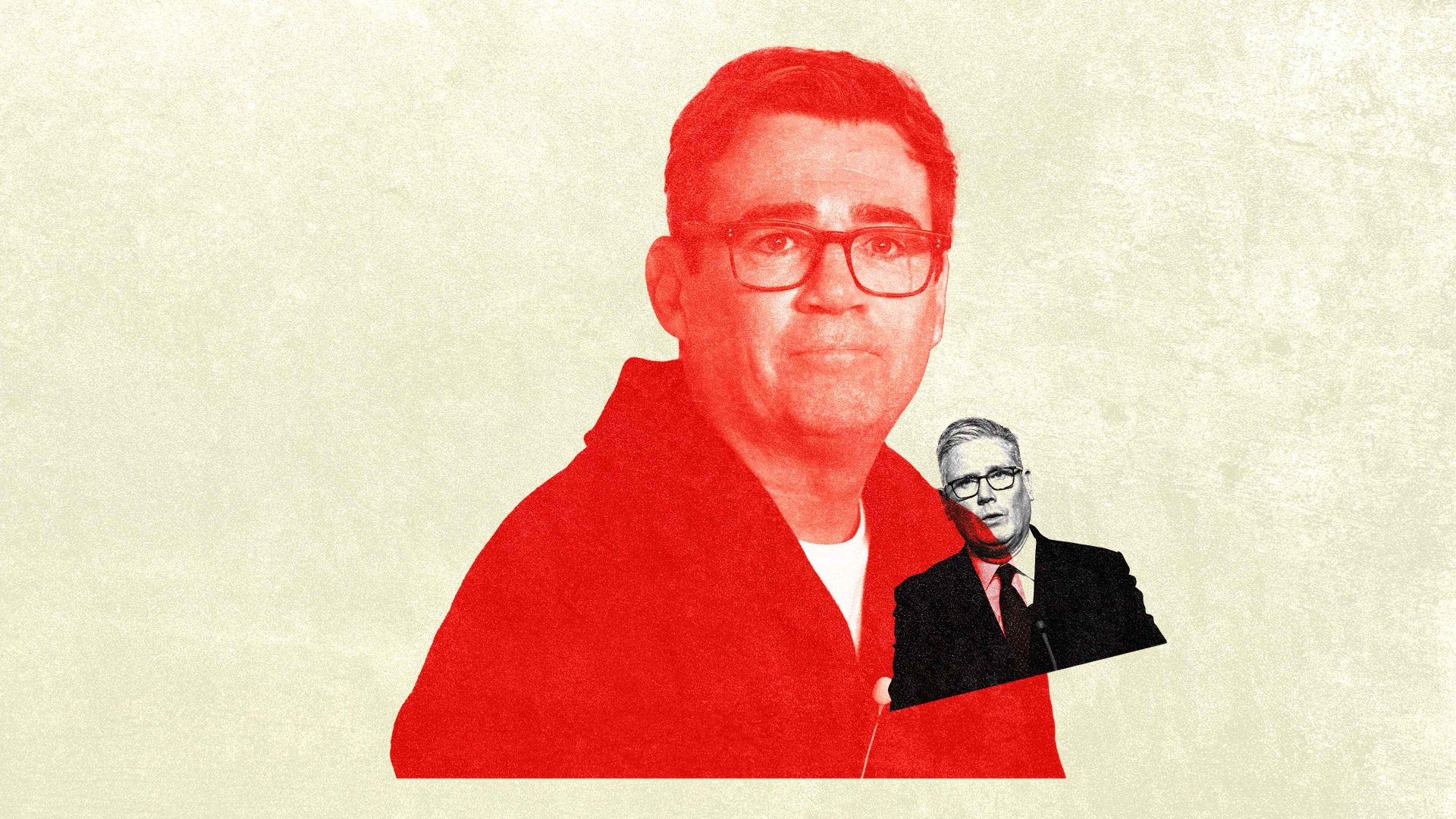
Keir Starmer was meant to be different, and then he wasn’t. Much has been written about the prime minister’s flaws, in these pages and elsewhere, and already the muzak can be heard in the background. He’s still in No 10, sure, but all eyes are now on his opponents.
Suggested Reading

‘Ungovernable Britain?’ Don’t be absurd
At time of writing, it seems fair to bet that Andy Burnham will be replacing him soon. This assessment may change in a month, or a week, or an hour, but for now it seems to be where things are heading. In June, the King of the North will descend back into Westminster with his hordes, and by Christmas he will have replaced the London barrister in Downing Street.
Already, some people have started asking, fretfully, about Burnham’s ability to do the job. Aren’t his policy positions too similar to those of the one he hopes to replace? Isn’t his propensity to flip-flop and do whatever feels popular in the moment a sign that he will merely repeat Starmer’s mistakes? And so on, and so forth.
There is another question hiding in plain sight, however, which must be addressed if the party hopes to salvage whatever time they have in power. Does Andy Burnham know that he will be the prime minister of a parliamentary democracy and not, say, the president of a republic?
The mayor left SW1 in May 2017, nine years and three general elections ago. The Palace of Westminster is a different place today than it was when he set off for Manchester. The vast majority of current Labour MPs were elected after his departure. Some of them have been around for nearly a decade, and will know the Commons like the back of their hands, but may never have met Burnham even socially.
Suggested Reading

How to put the wind back in Britain’s sails
Why does this matter? Well, you could ask Keir Starmer. He became leader just under five years after getting elected, and had only ever known the troubled Corbyn years by the time he got the gig. That part wasn’t his fault: you can’t blame someone for their own set of circumstances.
Instead, he can be criticised for what he did after that, namely: not much at all. The parliamentary Labour party was quite small back in 2020, and mostly it hoped that things would finally be looking up. It got a hell of a lot larger in 2024, and Starmer did little to get to know his colleagues, understand what made them tick, and try to bring them along with him.
Boris Johnson was a man who didn’t really know or care about the Commons and he made the mistake of hiring Dominic Cummings, a man who didn’t really know or care about the Commons either, as his closest confidante. Keir Starmer did more or less the same, relying on Sue Gray as his Whitehall whisperer and Morgan McSweeney as his electoral guru, but seemingly forgetting about the Palace altogether. Both lived to regret it.
It all feels like a long time ago now, but many of Starmer’s first and crucial missteps came from parliamentary mismanagement. From the winter fuel and welfare cuts to the two-child benefit cap, several backbench rebellions that could and should have been avoided made some early dents in a premiership that should have seemed unassailable. The rest is, of course, history.
It is entirely possible that Andy Burnham won’t be repeating the mistakes of his predecessors, but he will need to show his workings soon. Though it is true that he has done an impressive job as mayor of Greater Manchester, it seems worth remembering that the gig doesn’t come with 400 eager, hungry, ambitious people needing to be appeased, managed, flattered and placated.
The leadership contest hasn’t even started yet but, already, Labour supporters are wondering if Andy Burnham could win the next election for the party. Instead of looking that far ahead, they really ought to ask themselves if he will be able to get their own house in order first.