
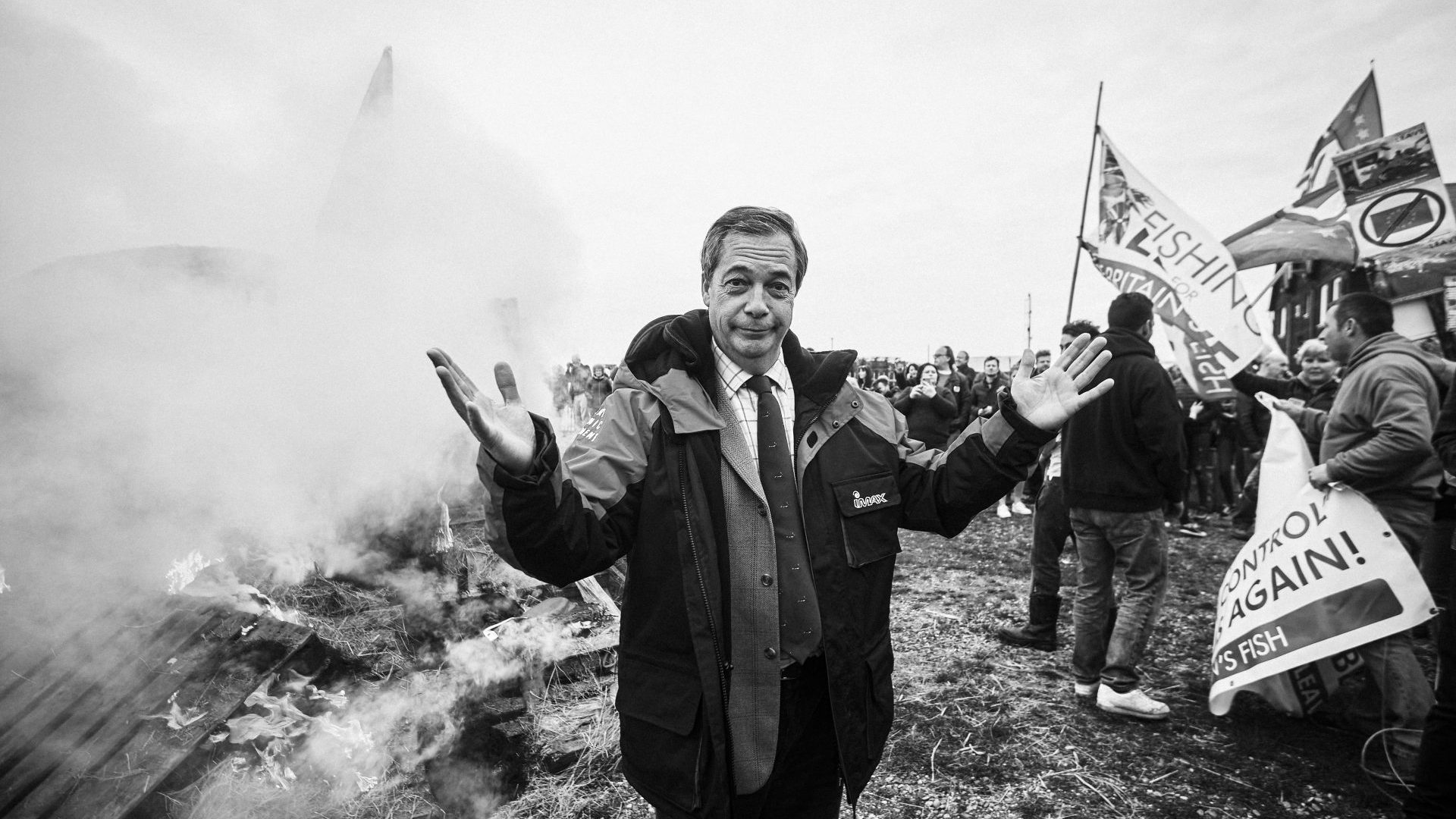
A lot was done, and even more was said, in the wake of the May 7 local elections, which delivered a major blow to the Labour Party, plunged Keir Starmer’s leadership into crisis, and left many wondering “what happened to ‘country first, party second?’”
Amid it all, though, as millions of words were devoted 24/7 across the airwaves and the web to analysing the various strengths and weaknesses, tactics and manoeuvres of the prime minister and of possible movers for his job such as Andy Burnham, Wes Streeting, Angela Rayner, Ed Miliband et al, two statements stood out for me.
“I don’t think anyone in this country wants to reopen the Brexit debate.” The words of culture secretary Lisa Nandy.
And this, stunningly, from Reform UK leader Nigel Farage… “Forget Brexit.”
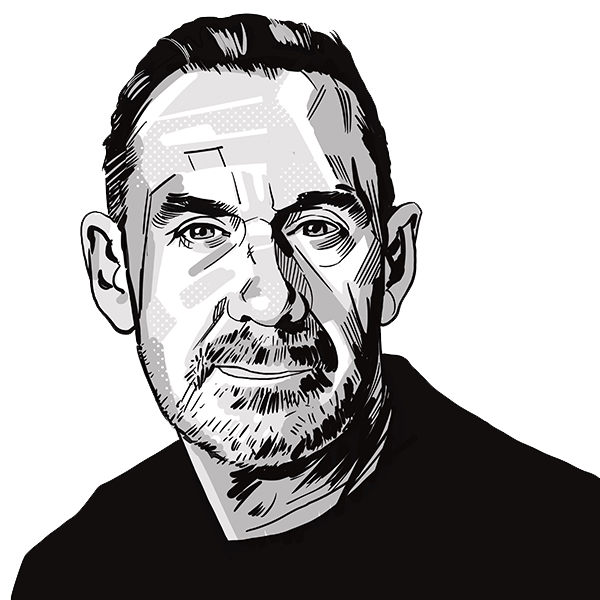
In introducing Jonty Bloom’s brilliant analysis, which he has written in an attempt to ensure we do not “forget Brexit,” and that we keep the debate very much open and alive, I will take each of those statements in turn.
I do not put Lisa Nandy anywhere close to the Farage category of politician. However, when she says that “I don’t think anyone in this country wants to reopen the Brexit debate,” she knows that is simply not true. Many people want exactly that. Polls show it. The desertion of Labour supporters to the Greens is partly about it.
And I find it hard to believe that Lisa Nandy has not met the kind of people I meet all over the country, who tell me they won’t vote Labour again until the vague promise to “put Britain back at the heart of Europe” really means something.
It may be the case that “the country” would not exactly welcome resurrecting the lies and the chaos, the divisions across families and communities, some of which have never healed. That does not mean, however, that “the country” has not reached the conclusion that Brexit has inflicted considerable harm, and Jonty has done a great job in setting out the bald facts that make it hard for any reasonable, fair-minded person to think otherwise.
Suggested Reading

A history of Brexit in 256 disasters
Indeed, I would argue that one of the reasons Labour has struggled in government has been a refusal, even while doing good work to minimise the damage and get Britain closer to Europe, even to accept the basic truth that Brexit has failed, and while the Johnsons and Farages might rage at the reopening of the debate, the real economic, strategic and security interests of the UK demand it.
One of the reasons we ended up with Brexit in the first place is that we were entering into a period of politics, here and elsewhere in the world, that I have defined many times in The New World, and prior to our rebrand The New European, as the era of 3Ps: populism, polarisation, post-truth.
Boris Johnson and Farage are the ultimate 3P politicians, the Brexit triumph was very much theirs, and while they get richer and richer, the country continues to pay a very heavy price for their victory.
Populism – exploiting legitimate grievance for their own political and personal ends; polarisation – a politics that thrives on division, seeks to drive tribes ever further apart rather than bring them together; and post-truth – facts don’t matter, truth is an inconvenient hindrance rather than a necessity in democratic debate, there is no shame in lying, even when you’re found out.
Suggested Reading
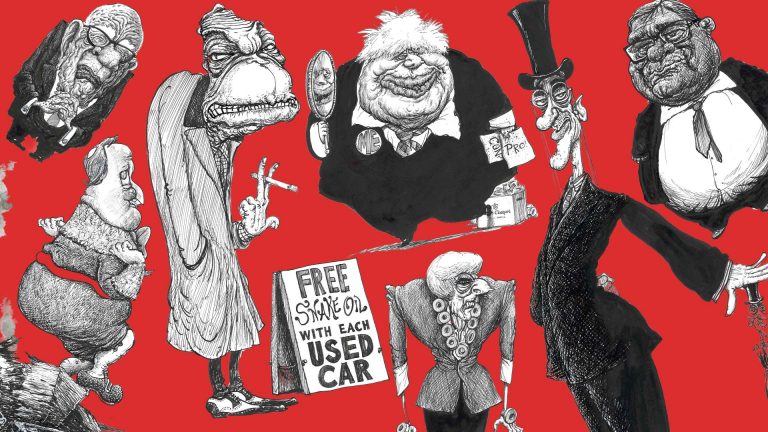
The 13 people most to blame for Brexit
In saying nobody wants to reopen the Brexit debate, Lisa Nandy is not lying in the way that Johnson and Farage did to such devastating effect in the referendum, through the negotiations that followed, and ever since, as they continue to pretend to believe it has all been a huge success for the UK. But certainly, for reasons of political convenience, and to follow a broadly agreed party line, she is not telling the whole truth, and she is certainly not speaking for everyone.
As for Farage and his desire that we “forget Brexit”… why would he want us to forget what was clearly his historic success? Whatever happened to his rejoicing at being introduced at events organised by MAGA as “Mr Brexit himself”, given that these days he seems much happier to talk about anything but Brexit?
The answer is that he too knows it has not delivered the increased power and prosperity or the reduced red tape he promised it would, so he has moved on to other issues that lend themselves to his 3P arguments and tactics; and precisely because the main parties vacated the Brexit field for so long, he has been getting away with it.
It is quite incredible that the author of a genuinely historic change that has made tens of millions of people poorer, and made the country weaker, has been able not merely to survive, but to prosper; personally, with the millions flowing into his bank accounts, and politically, into a place where the prospect of PM Farage has to be taken seriously. Forcing him to face up to the consequences of the Brexit he helped to deliver is part of the way to stop him. This special edition is replete with the facts that can help to do that.
What Farage was perhaps trying to say, with his “forget Brexit” exhortation to a TV reporter asking him about the local election results, was that there was no part of the country, whether historically true blue or deepest red, Leave or Remain, that was off limits for Reform UK.
However, as I wrote in The New World at the time, that claim is not borne out by actual analysis of what happened. Like Donald Trump, Farage has a knack of being able to drive a narrative on his terms, helped by a right wing media that continues to treat him more as colourful celebrity than power-hungry politician, and pursuing a Trumpian media strategy partly rooted in the claim that the hated “MSM” (mainstream media) are violently against him when in truth they have been a crucial and continuing ally in his rise.
So on May 8, as the right wing press and the crypto bros excited themselves to breathlessness with the inevitability of a Farage premiership, there was one piece of data that was worthy of further examination. It was this… in those council wards where more than 60% voted Leave in the referendum 10 years ago, support for Reform was around the 40% mark. Were that to be the picture nationwide, PM Farage becomes a reality.
However, in wards where the 2016 vote for Leave was below 40%, Reform support was often in single figures, and averaged around 10%. That says to me that despite a media desperate to play its part in the inevitability of Reform’s rise, and even despite the crypto-millions Reform will have to spend on a general election campaign – doubtless with Trumpian disregard for rules that may attach to it – there are parts of the country where they have absolutely no chance. He can be beaten, and Brexit can be one of the weapons in the fight.
Suggested Reading
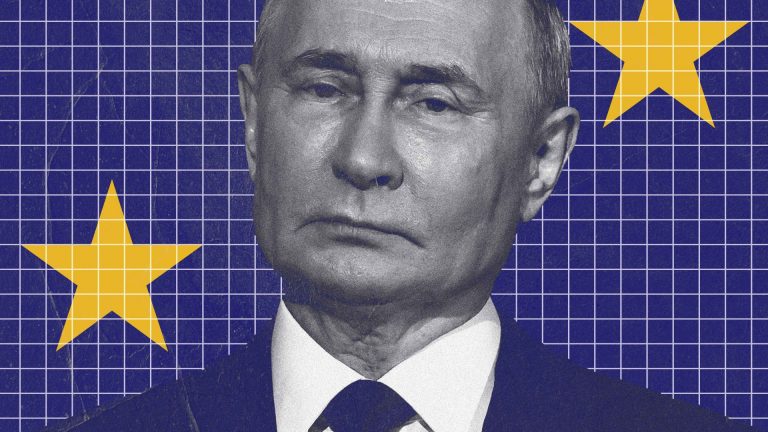
Why have we let Putin get away with it for so long?
At the 2024 general election, the overwhelming desire to get the Tories out played a big role in securing Labour’s landslide, and tactical voting was a major factor in that, as people worked out how best to secure that goal in their own area. It could be, depending on whether and how Labour improve – or don’t – that the tactical voters, including some who voted Labour in, will be thinking about how to get Labour out.
Equally, it could be that the most powerful driving force among the majority is the desire to stop Reform. We saw a bit of that in the elections in Wales, where once the country sensed that it was either Plaid Cymru or Reform who would win, plenty of Labour supporters switched to Plaid to stop Reform.
Of the strategic errors Labour made, starting with a “Make Brexit Work” approach that was doomed to fail, one has been their own role in allowing the main authors of Brexit to escape the political calamity that should have been their due. Of course, David Cameron paid a price – losing the premiership on the back of the lost referendum he had unwisely called in an effort to hold his party together – and Boris Johnson is now history.
But Mr Brexit himself seems to have got away with it, sufficient for him to utter the words “forget Brexit,” and it doesn’t even merit a follow-up question from journalists who for years, as the vote for Brexit was dishonestly turned into a very hard Brexit indeed, could talk of little else. That has to change, and the 10th anniversary of the referendum is as good a time as any to start reminding people of the damage Farage has already done.
I said at the time that The New World would be doing its bit, and Jonty’s report is a big part of that. And what I most applaud about the way he has researched and written it is that he sticks to facts; he does not live in the kind of fantasy world the Brexit true believers continue to inhabit; and he does not shy away from the reality that it will be far from easy to get close to the relationship we had before June 23, 2016… let alone to get back into the EU; let alone, indeed, to rejoin the single market or the customs union, which we left despite the 3P lies at the time that we never would. This is not an easy road to tread.
But here, I take inspiration from a very unlikely source… 84-year-old Bill Cash. For 40 years a Tory MP, a regular feature of my life when I was a political journalist at the Daily Mirror, and later when I was working for Tony Blair, as a voice that never, ever, ever stopped making the argument that the UK was taking the wrong path in its relationship with Europe.
Those who believed Britain’s place was not in the EU were considered, in the main, as cranks and fanatics. Maybe they were. But they never, ever gave up.
Those of us who believe that Brexit was a catastrophic error, a rare case of a country actively choosing its own decline, then refusing to accept or admit it, even as the evidence mounts… we must never tire of saying so, never tire of fighting for what we know to be right… for me, even if perhaps not in my lifetime, that means joining a European Union very different from the one we left… hopefully with Ukraine joining alongside us, the Western Balkan countries too, even Canada as it adapts to the reality of an unreliable United States.
Sounds crazy? So did Bill Cash.
Another inspiration is the Finnish president, Alexander Stubb, one of the brightest minds in world politics right now. “It took you guys seven years to leave,” he told me, “and seven years to work out what a mistake it was. Let’s hope it doesn’t take another seven years to see you back in.”
Let’s hope indeed. But we need more than hope. Even – in fact especially – in a 3P world full of chancers and charlatans, we need facts… facts at our fingertips and facts on our side. In bringing them together as he has here, Jonty Bloom has provided an invaluable public service, at a time when the concept seems to be going out of fashion in so much of the modern media.