
Paying tribute to its late columnist Rod Liddle, who died this week, the Sun compiled “some of his most hilarious observations”. A number were about Brexit, which Liddle backed enthusiastically until the end. One was: “If you listen to the Remain campaign, the moment we leave the European Union, locusts will cover the land, the rivers will turn to blood and, worst of all, the supply of prosecco will dry up entirely.”
Liddle was being facetious, of course (although prosecco imports were hit by early trade friction and short-term dips). But news this week brought a reminder that it has had and continues to have real, potentially life-ruining consequences for real people with concerns beyond getting a decent bottle of San Leo Oro at Waitrose.
Astonishingly, it emerged this week that, after years of building lives in the UK, potentially thousands of EU citizens could be told they have no right to remain, despite having initially been told they could. The Home Office, the Guardian initially reported, has told at least 100 people that they had been given residency rights “in error” just as they were coming to the end of the five-year “pre-settled status” and preparing to upgrade to the permanent “settled status”.
The paper quoted a Portuguese woman given the name Gabriela (not her real one) who was granted pre-settled status under the EU settlement scheme like 1.3 million others who had been in the country for fewer than five years before Brexit. Having worked in the NHS and researched a PhD in Britain, her entire life has now been thrown into turmoil after being told by the Home Office she was granted post-Brexit rights to live in the country “in error”.
“I feel so overwhelmed, because this is going to influence so many spheres of my life,” she told the Guardian. “I can lose my job, I maybe don’t have the right even to rent the property that I’m living in now, because of course I have to prove my right to live here to the landlord to rent a place.
“My bank account might also be affected. I work in the NHS as well, I work with other surgeries as well, so I have three different contracts in different places and I don’t know how it’s going to be if this happens, It’s just very stressful.”
Suggested Reading


Is Andy Burnham just a lucky general?
Gabriela’s case is slightly complicated by the fact that she is Brazilian-Portuguese and did not have a Portuguese passport at the time of her application (she says she was open with the Home Office and had “not excluded anything”, including the fact that her father is Portuguese, making her an EU citizen by birth).
But she is far from alone. A freedom of information request from the campaign group the3million, a grassroots organisation of EU citizens in the UK, revealed that 95 people were contacted in March alone. It has knowledge of dozens of cases and fears there may be hundreds or even thousands like Gabriela.
Monique Hawkins, its acting chief executive, said: “People applied to the EU settlement scheme in good faith and were granted status by the Home Office years ago. They acted on those decisions in good faith by building their lives in the UK and putting down roots.
“We hear from people who are progressing in their jobs, from those whose children are in schools and have known no other country, and now, five years on, when they apply for settled status, they are being told that it was all a mistake. Imagine building a life somewhere and having it ripped out from under you like this.”
Importantly, the letters have already raised alarm bells at the Independent Monitoring Authority (IMA), the body set up to monitor the implementation of the EU citizens chapter of the EU-UK withdrawal agreement. In a statement on its website, it says: “The IMA has highlighted the risk that EEA citizens and their family members protected by the Agreements, who may be incorrectly identified as granted EUSS status in error by the Home Office, will consequently lose residence rights.
Suggested Reading


Has-bin: This could be the end of Nigel Farage
“The IMA is also concerned that Home Office decisions on cases granted EUSS status in error do not provide individuals with a clear and direct right of appeal.”
The IMA has form here. In late 2022, it won a judicial review brought against the UK government over how the Home Office proposed to treat the over two million citizens who had “pre-settled status” because they had not reached the five-year residence qualification to get full settled status. The High Court agreed with the IMA that the Home Office’s policy was a breach of the UK’s commitments under the Withdrawal Agreement.
Next, the then home secretary, Suella Braverman, did something extremely unusual. She reversed course and accepted the court decision without appealing it and agreed instead that the government would comply. The move prevented an absolute fiasco in which vulnerable EU citizens would have been expelled (while making it harder for the UK to stand up for its citizens who find themselves on the wrong side of authorities in EU countries which did not automatically grant rights post-Brexit).
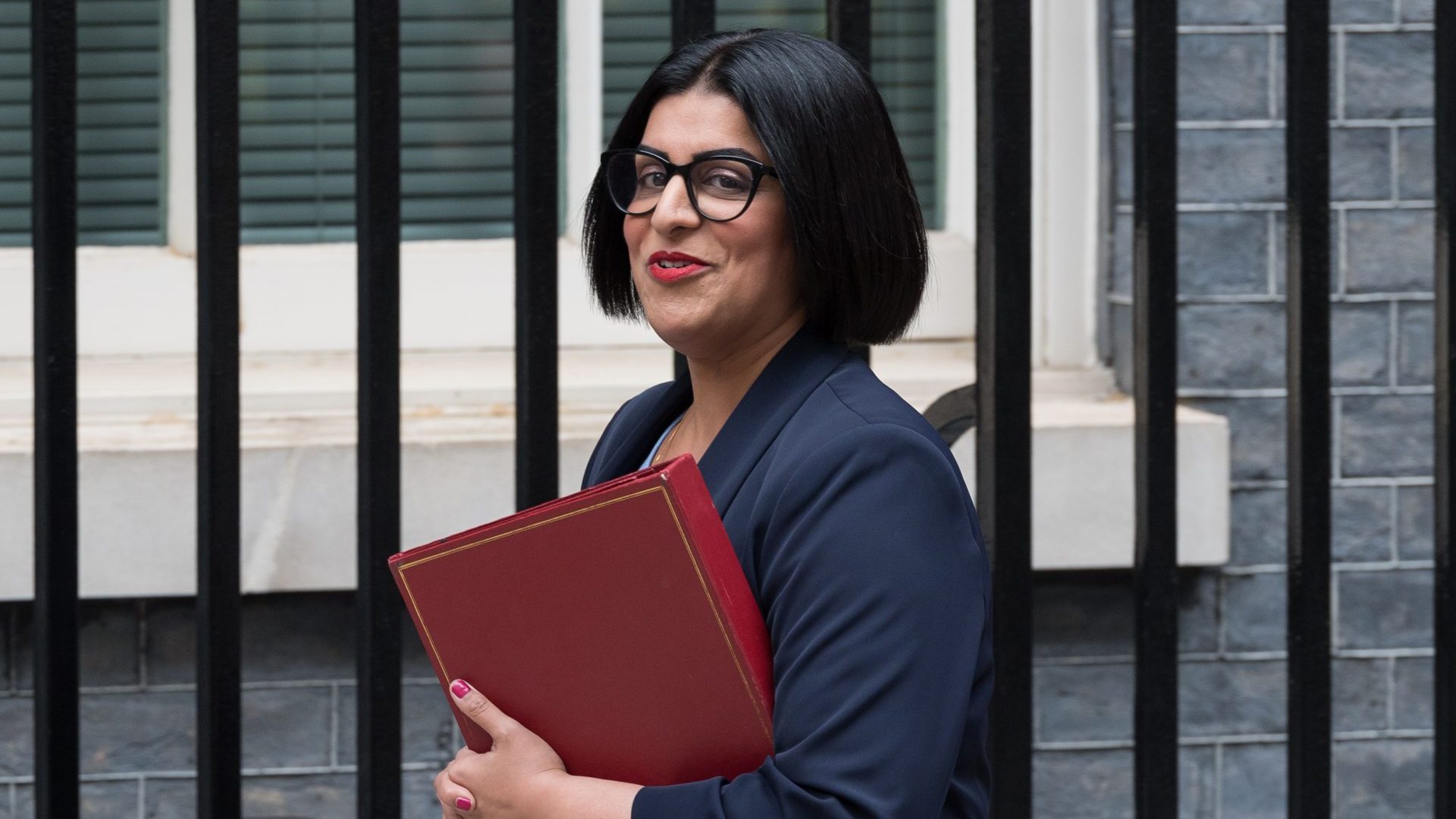
So here’s an idea for current home secretary Shabana Mahmood, and an idea one hopes never to have to offer again: learn from Suella Braverman. Shut this down immediately and save yourself an almighty headache further down the track.
And while we’re at it, here’s another. In her 2020 Lessons Learned review into the Windrush debacle, Wendy Williams recommended creating a migrants’ commissioner to speak up for people affected by the immigration system. Though initially accepted, the government dropped the role in January 2023, a decision later ruled unlawful by the High Court.
While Labour opposed its dropping, in two years in government it has still not moved to once again establish it. Might not now be the right time to do it? That would be something to toast with a glass of prosecco, trade friction notwithstanding.
 Most popular


Emily Maitlis’s diary: As I was saying to George Clooney just the other day…

A new film about Elon Musk reveals him as so awful it’s almost tragic. Almost


The strange case of the Lib Dem writer who fell for Farage


The right wing media hounded Jason Arday and ignored James Orr. It’s obvious why