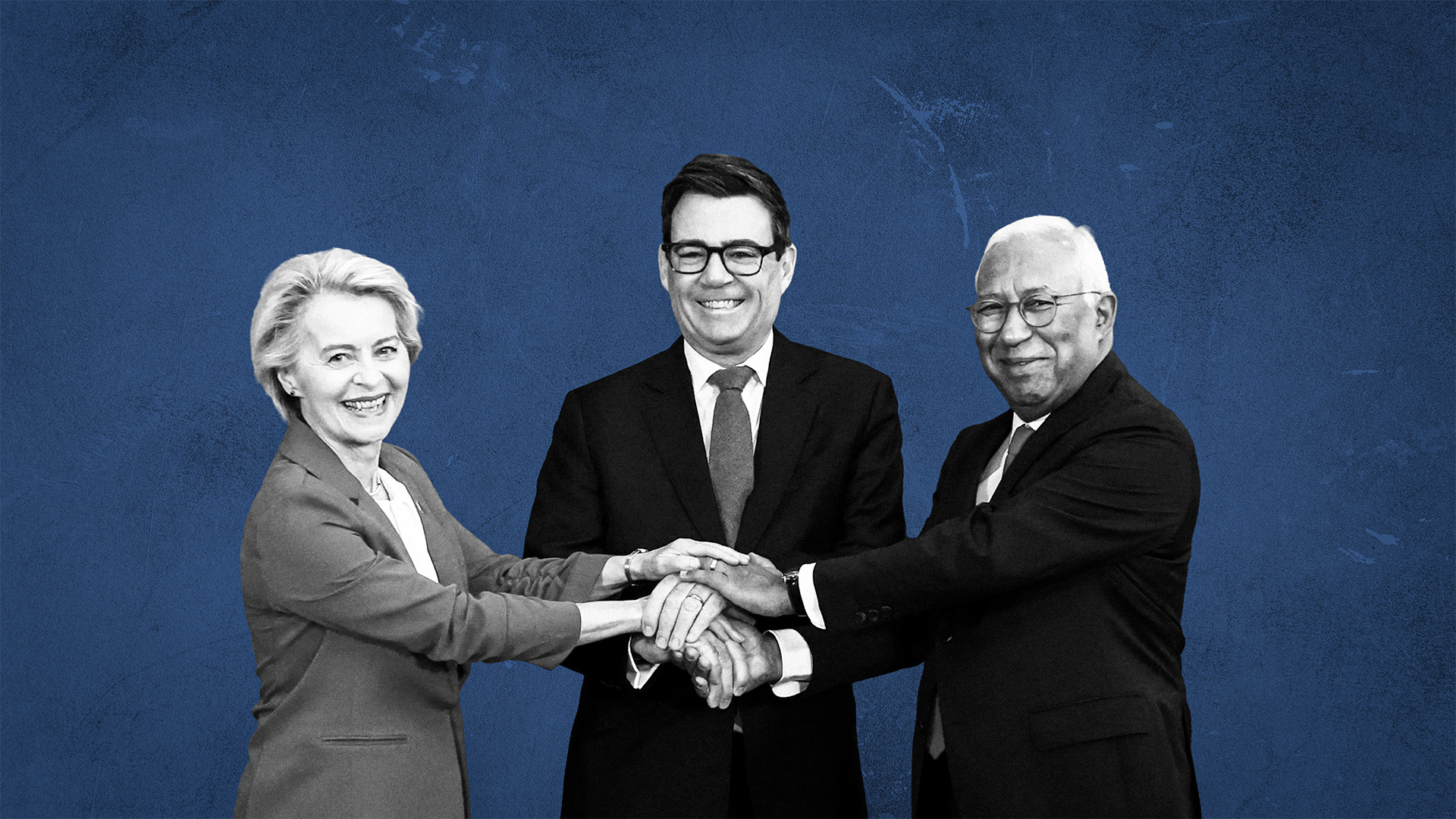
It all feels so eerily, uncannily familiar. British and EU officials locked away in negotiating rooms for days. Reports of last-minute sticking points, or bumps in the road. Suggestions a deal was about to be agreed, but France then threw in a new objection. The phrase “nothing is agreed until everything is agreed”.
For those of us who covered every minutia of the Brexit negotiations, Andy Burnham’s reset talks bring back a flood of memories – but the substance of them is something new.
Instead of negotiating the terms of a long, agonising political divorce, this time the UK and the bloc representing all of its nearest neighbours were looking to draw closer together, at least by a fraction.
By Friday lunchtime, we had a deal – with one potential bump in the road we’ll return to later – covering three areas of closer cooperation: on food, on freer movement of young people, and on emissions trading.
The UK agreed “dynamic alignment” with EU regulations on food safety, removing the need for border checks on food and agricultural produce, reducing the cost of British exports, the complexity and risk of exporting, and hopefully reversing a 30% drop in UK food exports to the EU over the last decade.
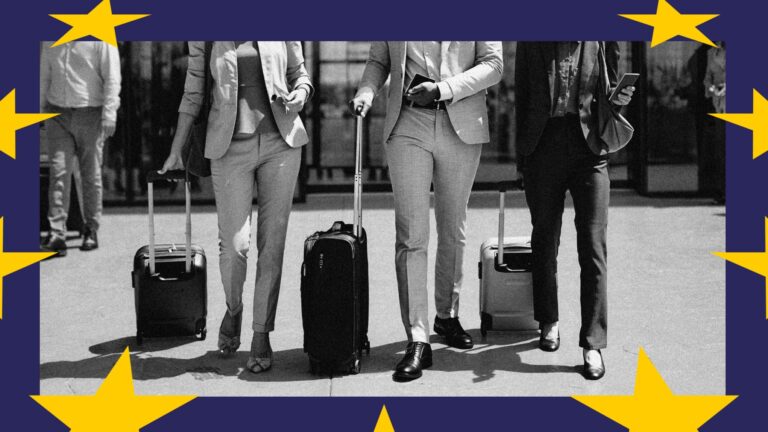
The second part of the deal allows up to 100,000 people a year aged under 32 from the UK to spend up to three years working or studying in EU countries, and 100,000 EU residents will be able to do the same in the UK, from 2030. These places will be time-limited, have no recourse to benefits, and no ability to bring dependents with them – but represent a return to a form of free movement, even if only for younger Brits.
Finally, the UK’s emissions trading system will be joined to that of the EU, something which sounds obscure and technical, but which removes a significant barrier to trade for UK manufacturers, and which could have the largest positive economic impact in the long run.
Burnham will also have been happy to secure agreement “in principle” for the UK to join the Made in Europe rules, aimed at curbing cheap Chinese imports on the continent, but which could have impacted the UK’s manufacturing as collateral damage – though there are many details to be hammered out here.
As ever with UK-EU agreements, there are other devils in the detail. Crucially, there is a sticking point over the tuition fees to be paid by EU students arriving into the UK, which the two parties have given themselves six months to solve.

UK universities rely on the fee income of overseas students to stay in business: foreign students subsidise British ones. If EU students once again pay the same fees as UK students, it will blow a huge financial hole in UK university budgets, unless the government finds extra funding to compensate them. This might be why the UK hasn’t just acquiesced on this point, but until it’s agreed, the rest of the deal may be on hold.
Still, once implemented, these deals will deliver genuine, if modest, benefits, and were accompanied by some genuinely warm words by the leaders assembled, particularly president of the European Council, Antonio Costa.
“We both have and respect our own specificities,” he said, touchingly. “We in the continent have not adopted the UK’s imperial measurement system – you measure distance in miles and this in kilometres – and we may drive on opposite sides of the road.
“But the most important is that we are heading in the same direction, and that is what matters.”
In a marked shift of tone from that of his predecessor, Burnham has framed these talks as the beginning of a larger and more ambitious project of UK-European integration, and one that might well lead to the UK joining the EU once more, though he has made it clear such a move would not happen before a general election.
But the irony of these deals is that they are exactly the sort of thing Brexiteers promised the UK would sign after leaving the EU, and yet they now feel obliged to angrily condemn. During the EU referendum, Leave politicians breezily promised that the UK could sign “sectoral deals” opting in to EU rules where they were advantageous to the UK, even after leaving the EU – something Remainers said would be difficult, if not impossible.
Thanks to Burnham’s negotiating team (and the efforts of Keir Starmer’s before it), the UK has just signed three of those “sectoral deals”. Yes, they involve accepting some EU rules, but that’s because negotiations result in compromises and trade-offs.
Deals like this are exactly how Brexit was supposed to work, and the reaction of Brexiteer politicians to it shows why it never could. At their party conference, Kemi Badenoch’s Conservatives pledged to reverse any agreement Burnham signed with the EU – but a few weeks later, she had all but U-turned, saying instead, “they say they want to end red tape on food checks – that’s a good thing”. The Conservatives don’t seem to have any Brexit position other than reactionary opposition.
As public support for Brexit has drained away, and its dim reality has become apparent to more and more of the electorate, the Brexit ultras have become ever angrier and more radicalised.
Once they spoke of wanting to leave the EU, not leave Europe, and how the UK would maybe even have a closer and better relationship after Brexit than before. Now, though, Nigel Farage warns of – or perhaps even threatens – riots in the streets if the UK even has a debate on rejoining, even as he travels to Brussels to condemn the kind of Brexit deal a rational Leave champion would welcome.
Suggested Reading
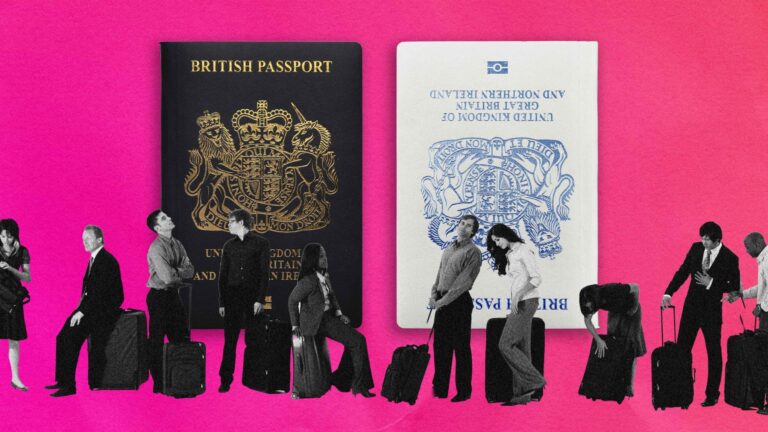

Net migration is over. Now what?
No 10 might, quietly, be pleased at the furious reaction of Farage and other prominent Brexiteers. In a rational world, they should have been the people shaking hands and agreeing the deals Burnham signed. Instead, they’re railing against them, to an ever-dwindling group of true believers.
Yes, the UK will be taking the EU’s rules on food safety again. But if farmers were truly enraged en masse about that, we’d know it – just look at how effectively they filled the streets and the front pages over inheritance tax changes. The lack of outcry is because these changes are largely welcomed by their industry.
By railing against every effort to make Brexit work, Farage and his gang make sustaining Brexit impossible. Any attempt to fix their mess prompts an angry outcry, repelling yet more people who might once have voted Leave, or even Stay Out. If Brexit ever had a chance to work, Brexiteers have killed it.
The deals signed by the UK and EU on Friday could have marked a milestone in the UK’s journey out of the EU. Instead, they seem to be a herald of a journey back towards membership. Brexiteers only have themselves to thank for that.
Nigel Farage thought his political legacy would be as the man who marched the UK out of the EU. His political career might just last long enough to see us go back in.
 Most popular

I read David Walliams’s autobiography – and one revelation in it could spell trouble
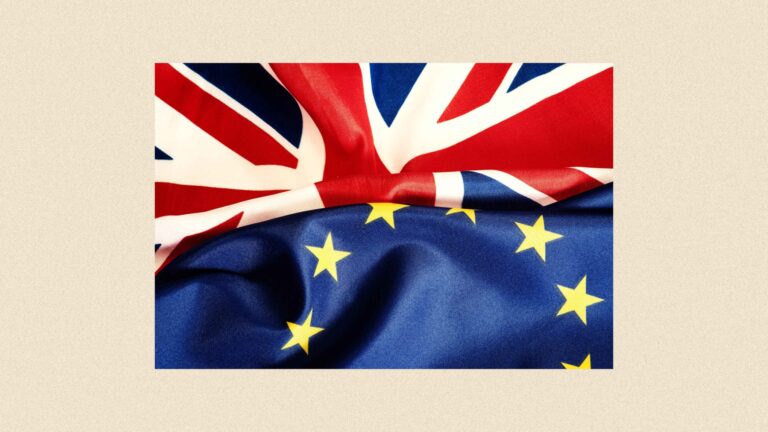

The Join campaign starts here. And it’s all about the future
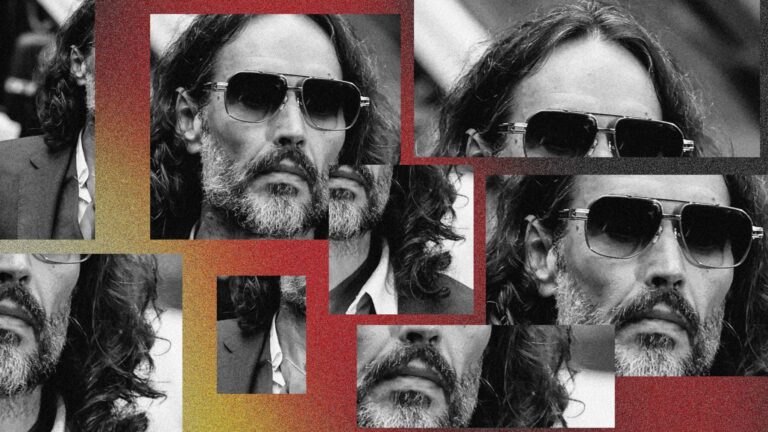

Emily Maitlis’s diary: The con trick that let Russell Brand get away with it for so long


You Can See Everything is the most elaborate con since Elizabeth Holmes herself