Must it always be all or nothing for women? For decades, so little information was shared about the reality, symptoms and signs of the menopause that many would hit it and find themselves lost at sea, both not quite understanding what was happening to them – having failed to see it coming – and not being able to deal with any of it in a satisfactory manner.
To some it meant debilitating changes, from hot flushes that would prevent them to sleep for weeks on end, to what felt like such severe cognitive decline that they wondered if, perhaps, early-onset dementia had come for them. Of course, the perimenopause – the part where the human body picks up the pace before jumping into that new stage of life – was so thoroughly ignored that many hadn’t even heard the word for it.
Somehow, something that can and will happen to half the population was just swept under the carpet – until a few years ago. Over the past decade or so, slowly but surely, women started discussing their own experiences of the menopause online, and began banding together to advocate for themselves. If no-one was going to teach them about their own bodies, then hell, they would do it to one another.
Suggested Reading
So you want to have a child. Why?
They also used the internet to lobby anyone they could find, and eventually it worked. Last year, then-health secretary Wes Streeting announced that screenings for the menopause would be officially incorporated into NHS health checks in England.
“Women have been suffering in silence for far too long and haven’t been encouraged to open up about the symptoms they’re experiencing,” he said. “This often means they’re left to navigate menopause alone with very little support. No-one should have to grit their teeth and just get on with what can be debilitating symptoms or be told that it’s simply part of life.”
The move was a deeply welcome one, but somehow it also felt like it was too little, too late, or at the very least the mere beginning of something that will need to get much bigger much faster. Why? Well, if I could invite you to look at my Instagram timeline or my WhatsApp group chats, you’d understand straight away.
I am 34 years old – years away from the normal range of the perimenopause which, in most cases, begins in women’s early to mid 40s. Still, the algorithm has decided that my fertile years must surely be over, and any symptom I may have has to come from one thing, and one thing only. Am I having trouble sleeping? Am I gaining weight? Losing weight? Do I feel angry at the state of the world? You’ll never guess what’s really happening.
Suggested Reading
The wellness scam economy of the algorithm age
Crucially, I’m not the only person this is happening to. “Everyone thinks they’re menopausal,” sexual and reproductive health consultant Dr Paula Briggs told the Guardian.
“I work in an abortion service and we’re seeing more women over 35 now who believe themselves to be menopausal and are gobsmacked when they become pregnant.” Sadly, reading this didn’t surprise me: earlier this month, a 36-year-old friend had a breakdown as she’d managed to convince herself that it was now too late for her to conceive.
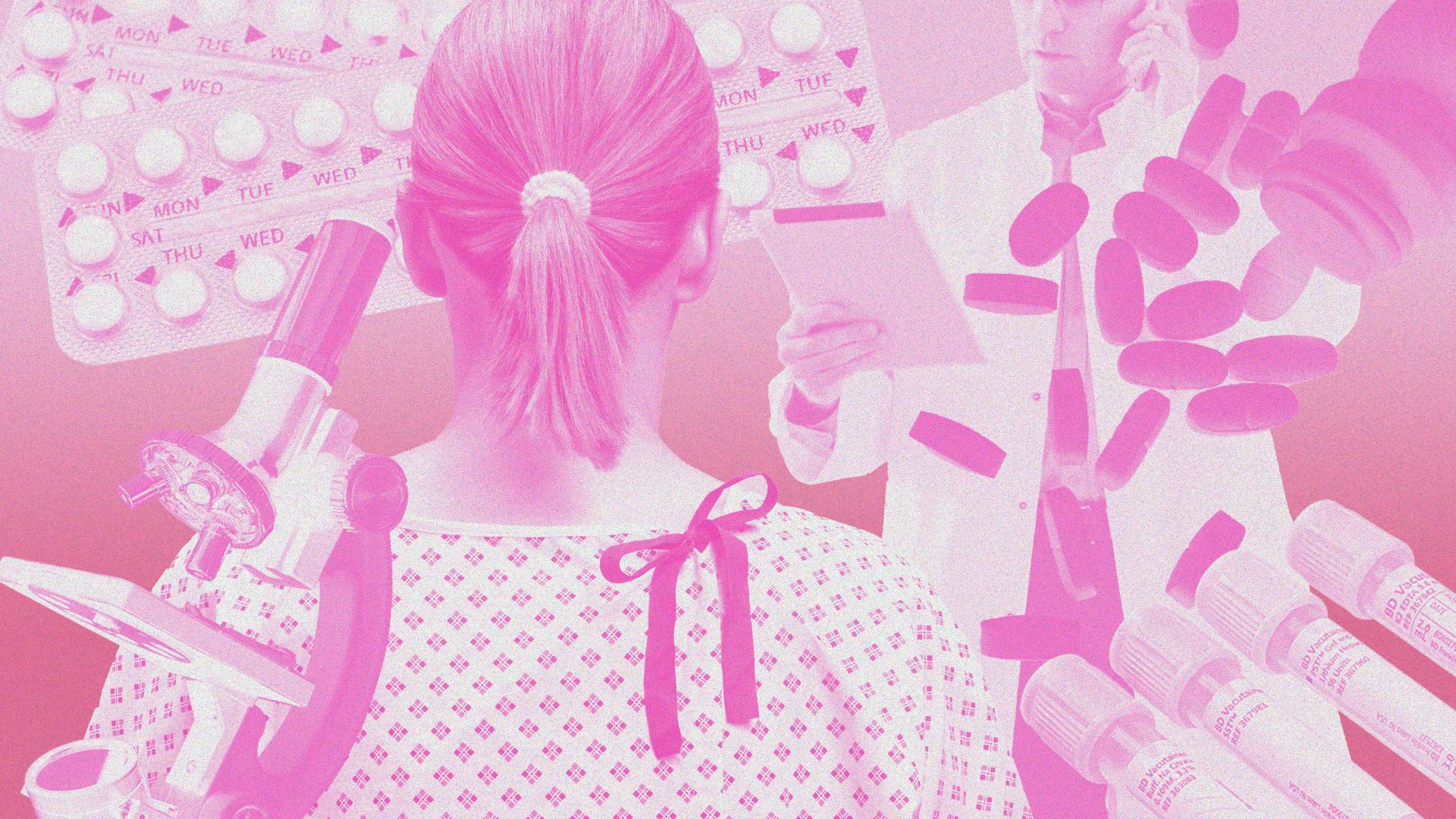
It’s an infuriating state of affairs, as the reason why so many women are panicking and being misled is that… well: there’s a lot of money to be made from panicking, misled women. For every public health campaign that doesn’t exist about the perimenopause, there will be a team of grifters ready to try and sell us some hormonal bone broth, magical little pills or some form of gel to apply to our womb. Nature abhors a vacuum and, if people aren’t getting the information they need from official sources, they will turn to people who at least sound like they care, and want to help.
Of course, one way to deal with this would be to properly regulate social media platforms and make sure they no longer allow just about anyone to promote and sell just about anything online. Because it feels like something that is unlikely to happen anytime soon, another solution would be for the NHS to actually do its job, both by giving women the information they need and making sure that they are where people actually spend time. If the online void isn’t filled by people who know what they’re talking about, it will be colonised by those who have something to sell you instead.
 Most popular
My truly deranged encounter with Trump apologist Kellyanne Conway
The moral depravity of Robert Jenrick
Is this the real reason Trump keeps falling asleep in public?
Suella Braverman’s book has sold only 106 copies. This is why