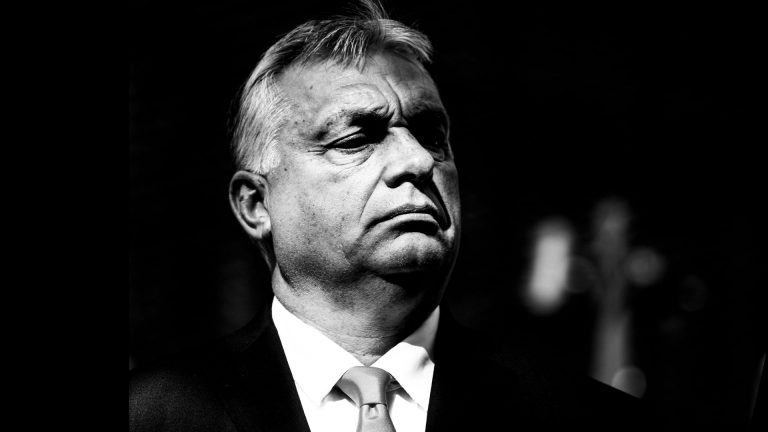
For years, Viktor Orbán was Europe’s most infamous prime minister. He ruled over Hungary for a decade and a half, and his government often made the headlines for the awful things it was doing – to LGBT people, to the European Union, to the rule of law, and to anyone daring to stand in their way. The grip that his party, Fidesz, retained on the country seemed unbreakable and ever-tightening. Elections had happened and potential challengers had been and gone, but Orbán prevailed.
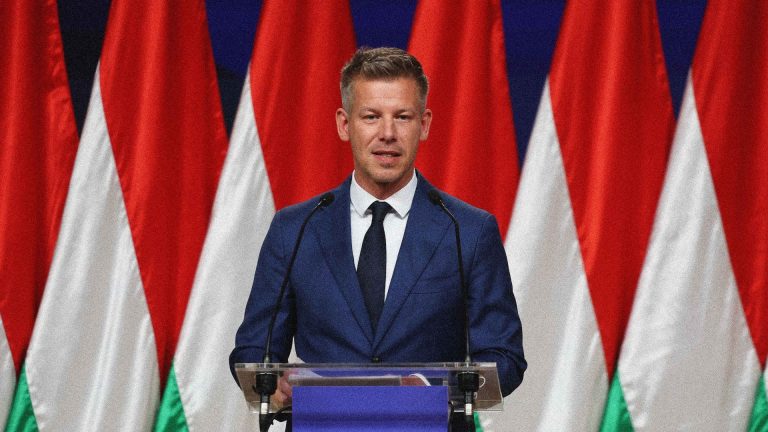
Then Péter Magyar entered the fray. A former Fidesz minister, he left the party then decided to go at it alone, launching his own Tisza party to fight against his former boss. No-one really knew what his politics were, and the Budapest left wondered if he’d merely be more of the same. I visited the capital a year before the election and though there was some optimism in the air, no-one got carried away.
He probably wasn’t going to win and, even if he did, he just wouldn’t be able to get the crucial two-thirds majority in the parliament. Even if that were to happen, there was no saying what he’d do with all that power. Hungarians, browbeaten by 16 years of Fidesz, refused to get carried away. Everyone else, meanwhile, kept watching the country’s slow descent into authoritarianism. When, in March last year, Orbán banned Pride marches, Europe was scandalised, but was there really much they could do?
Suggested Reading
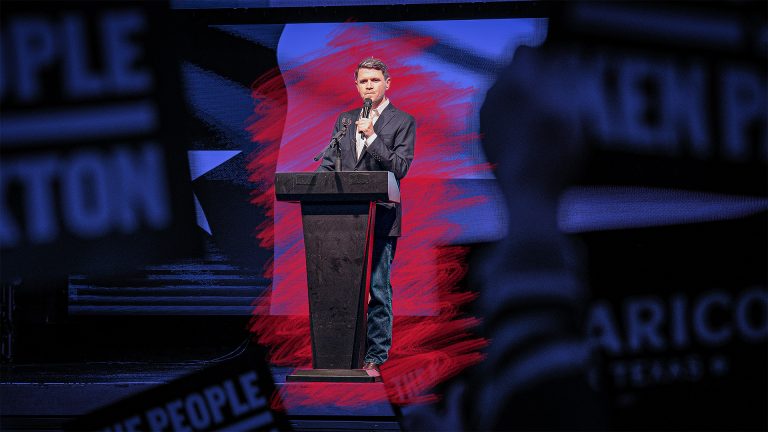
Orbán left a poisonous legacy. Can Magyar fix Hungary?
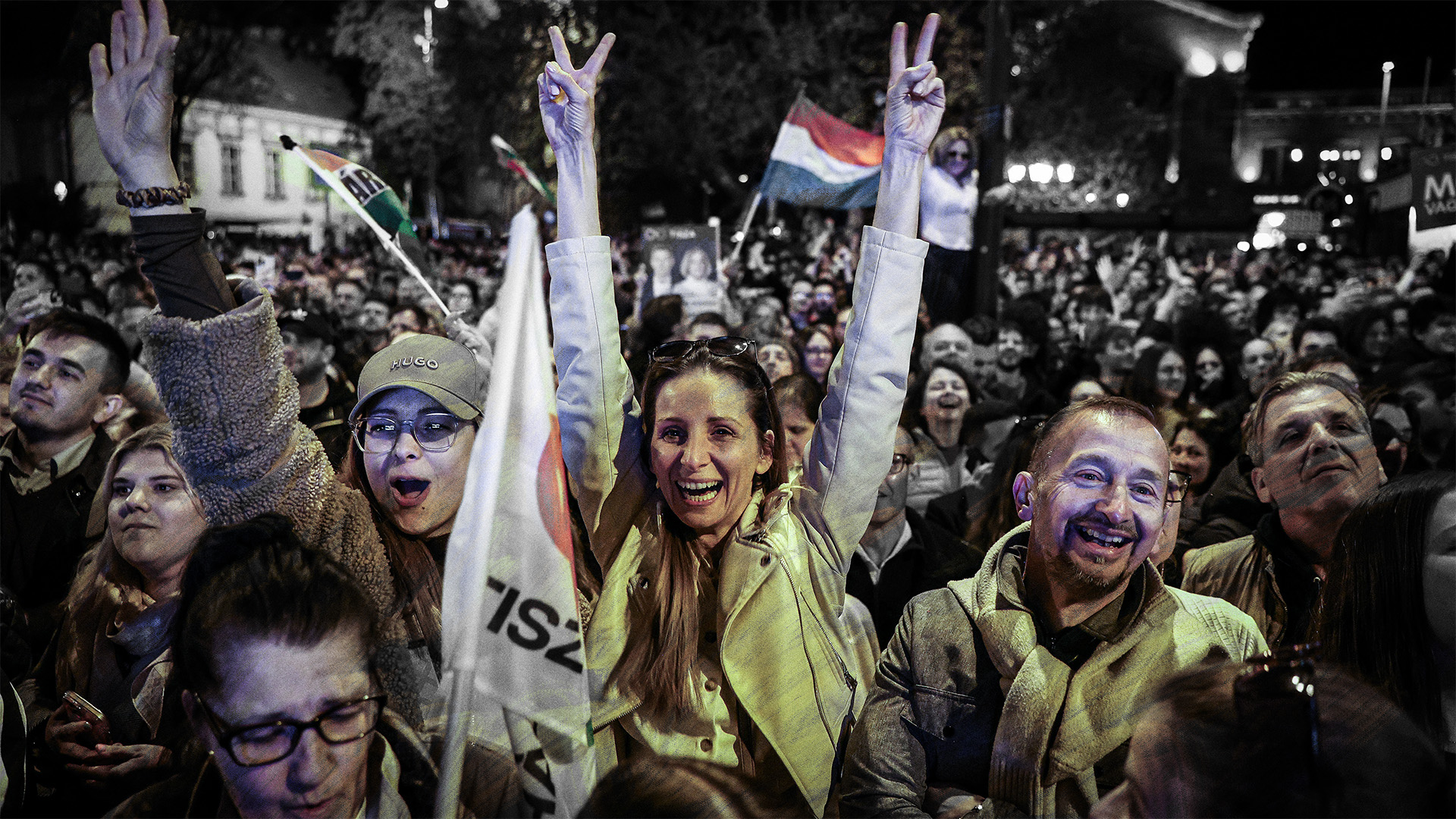
In the end, Hungarians took care of it. Six months ago this week, they went to the polls and put their faith in Péter Magyar, giving him the parliamentary supermajority he needed to put the country on a different path. Still – still! – there was reticence, which I saw even as people celebrated in Budapest and a sense that people shouldn’t be too pleased. Of course it was good news that one era was finally coming to an end. But could they really trust Magyar, a former Fidesz figure, especially as he’d spent the election campaign saying as little as possible?
As it turns out: they could. Earlier this week, his MPs voted to remove the anti-LGBT provisions Fidesz had snuck into some “child protection” legislation back in 2021. It is now no longer illegal to “promote” homosexuality or gender transition to under-18s in Hungary, a move warmly welcomed by campaigners everywhere.
Though this was the first time Magyar took specific aim at homophobic legislation, his government has been extremely busy elsewhere. Last month, members of parliament voted overwhelmingly in favour of lifting the immunity of former ministers Balázs Hankó and Miklós Seszták, allowing them to be investigated in separate criminal cases. The former is accused of sending €46m in cultural funds to public figures – which authorities believe amounts to illegal campaign financing – while the latter is suspected of taking €30m in bribes linked to bus tenders.
Both investigations are part of Magyar’s “Road To Jail” programme, which he campaigned on during the election, and which turned into “Operation Purge” in June. As the prime minister explained over the summer, the initiative will “close those long decades when Hungary could be held hostage by organised political and economic criminal groups”.
This all-important mission has mostly been handed to the recently established National Asset Recovery and Protection Office, which does what it says on the tin. The hope, clearly, is to clean up Hungary’s politics and its state as quickly and efficiently as possible.
Suggested Reading

Viktor Orbán, the man who broke Hungary
It is a beautiful thing to witness, and an important one too. Though Americans are currently wondering if a way back really can be found for their broken, divided country, Magyar’s republic ought to show them that, with enough will, anything is possible. Even Hungarians doubted it could happen, until the very last moment – but their PM is now proving their cautious pessimism wrong.
Perhaps most importantly, it is giving us all hope – hope that decline isn’t irreversible, and that the damage populist politics can do to a country doesn’t have to last forever. It’s a useful lesson for those across the pond, as they’re living through their own Fidesz days today, but it should also be kept in mind by the French, the Brazilians, the Poles, and everyone else looking at their next elections with apprehension. There may be tough times ahead, but things can and do get better.
Most of all, though, the audience for Magyar’s masterclass should be those seeking to emulate him, on the left, the centre, and whatever parts of the right remain faithful to democracy and the rule of law. Back in April, when Hungary voted, Tisza stood at 52% in the polls. Half a year later, after months of hard, sometimes controversial work, the governing party’s level of support is now at 61%. As it turns out, voters really do love it when politicians take on the crooks; who knew?
 Most popular


My truly deranged encounter with Trump apologist Kellyanne Conway


23 stupid reasons why Britain should never rejoin the European Union

How Trump and the Republicans screwed it all up

Trump’s snuff politics is a new low in American cruelty