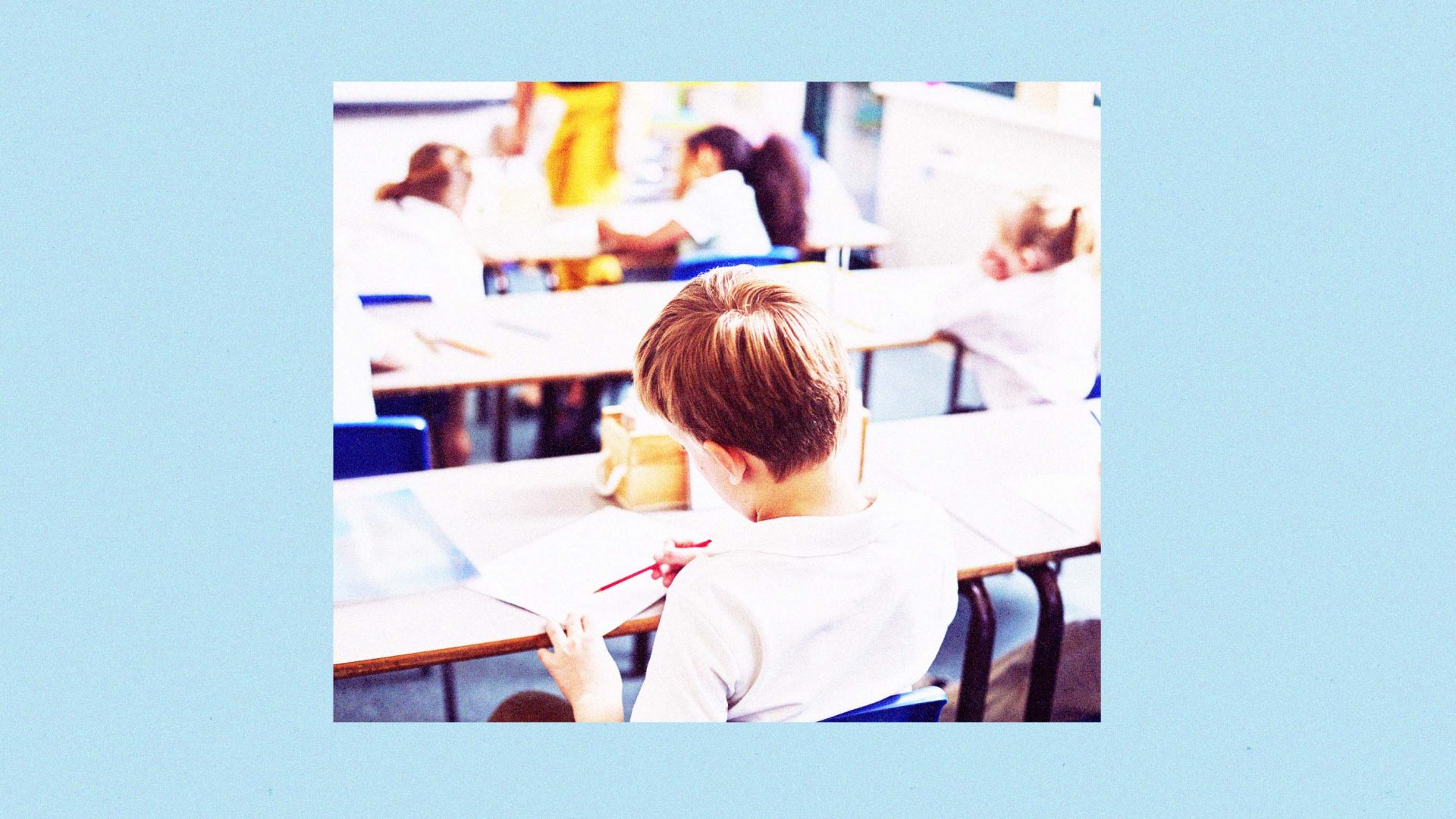
The government has said it wants to reform spending on special educational needs and disabilities (SEND) in schools. The Reform party has since pledged to cut welfare in order to protect the pension triple lock. It will be, it promised, the “biggest benefits bill cut in history”.
For months, the parents of children with what are loosely termed special educational needs have been concerned about reforms to the support on which they rely. This policy, presented by mainstream parties, will effectively demonise and politicise the right of these children to an education.
I myself was a “SEND child”. I still remember the stigma, the “it’s not fair” grumbling when I was begrudgingly given support, as well as the displays of ableism from other pupils and even from teachers.
The support was lacklustre at best, meaning I left education with passable, average grades. It had been a battle from the beginning, and it’s hard to not feel resentful at the denial of opportunity.
Suggested Reading

The exam system is failing our children. Discuss.
It is clear that something needed to be done about the provision of support in schools, as well as the skyrocketing costs incurred by councils via private operators – a whole other issue. But this? This is not the way to go about it.
SEN children have an Education, Health and Care Plan, also known as an ECHP. These are tough to get hold of – they are not freely handed out, contrary to claims of “golden tickets”.
Tribunals and legal action to enforce the rights of an ECHP are all too common, as well as lengthy. This can happen while a child is expected to just carry on, as if all is “well”. Yet this is all set to change to an Individual Support Plan, with three layers of tailored support. By 2035, ECHPs will only be reserved for the most “complex” of individuals. The details of how this apparently “comprehensive” support will be carried out is light on detail, an unrealistic policy at best, a disaster at worst.
I am not sure this makes sense. On what possible basis are you marking a child as the most “complex”? Control afforded to parents to advocate for the rights of their child could potentially also be far more limited.
I myself am Autistic. I was diagnosed long before TikTok was even a dream, and was flagged the old fashioned way, by a teacher doing their best to support their pupils. I am extremely hypersensitive to noise, can’t read faces, like a sense of order but can’t talk on the phone or use a bus, and collate special interests as second nature.
However, what appalls me is the idea that this is “behavioural”, and can be corrected seemingly with discipline. What era does such a sentiment come from – am I going to be belted for what is neurological, and therefore a part of me that can’t be separated from my person?

Those in a position of power need to learn more about the subject, before coming out with their judgements. “Masking”, a key hallmark, means to consciously or unconsciously suppress your characteristics as a compensation mechanism.
An Autistic person may not even be aware this is the case, having been so conditioned to “perform”. They may look fine and functional. Masking also has serious implications for mental health, other health outcomes, as well as the state of play around social inequality.
There is also a pipeline from the education system to contact with the justice system. Data suggests that a significant amount of the UK prison population have some kind of disability as defined by the Equality Act, as well as a lack of support in their previous life, including in education.
Other studies show high rates of illiteracy, learning disability and neurodiversity. If we cared about a society for all, we’d be thinking about this, and taking a cue from places like Norway. Researchers there have encouraged authorities to divert individuals from custody if they’ve endured failures of adequate support.
We ignore a crisis at our own peril, and all for the sake of money. This is an expense we need to change, quickly.
 Most popular

My truly deranged encounter with Trump apologist Kellyanne Conway

Suella Braverman’s book has sold only 106 copies. This is why

The moral depravity of Robert Jenrick

Hungary’s lesson to the world: Populism isn’t permanent