Opening caveat: I could not be a film journalist without the internet.
I wrote blog posts and online reviews for a year before anything I’d written appeared in print. I worked from a small village in Italy, far from the noisy phone-ringing, open-plan offices of Los Angeles, a major city so beloved of Robert Redford, Dustin Hoffman and the Zodiac Killer. I watched films from links and interviewed talent via Zoom.
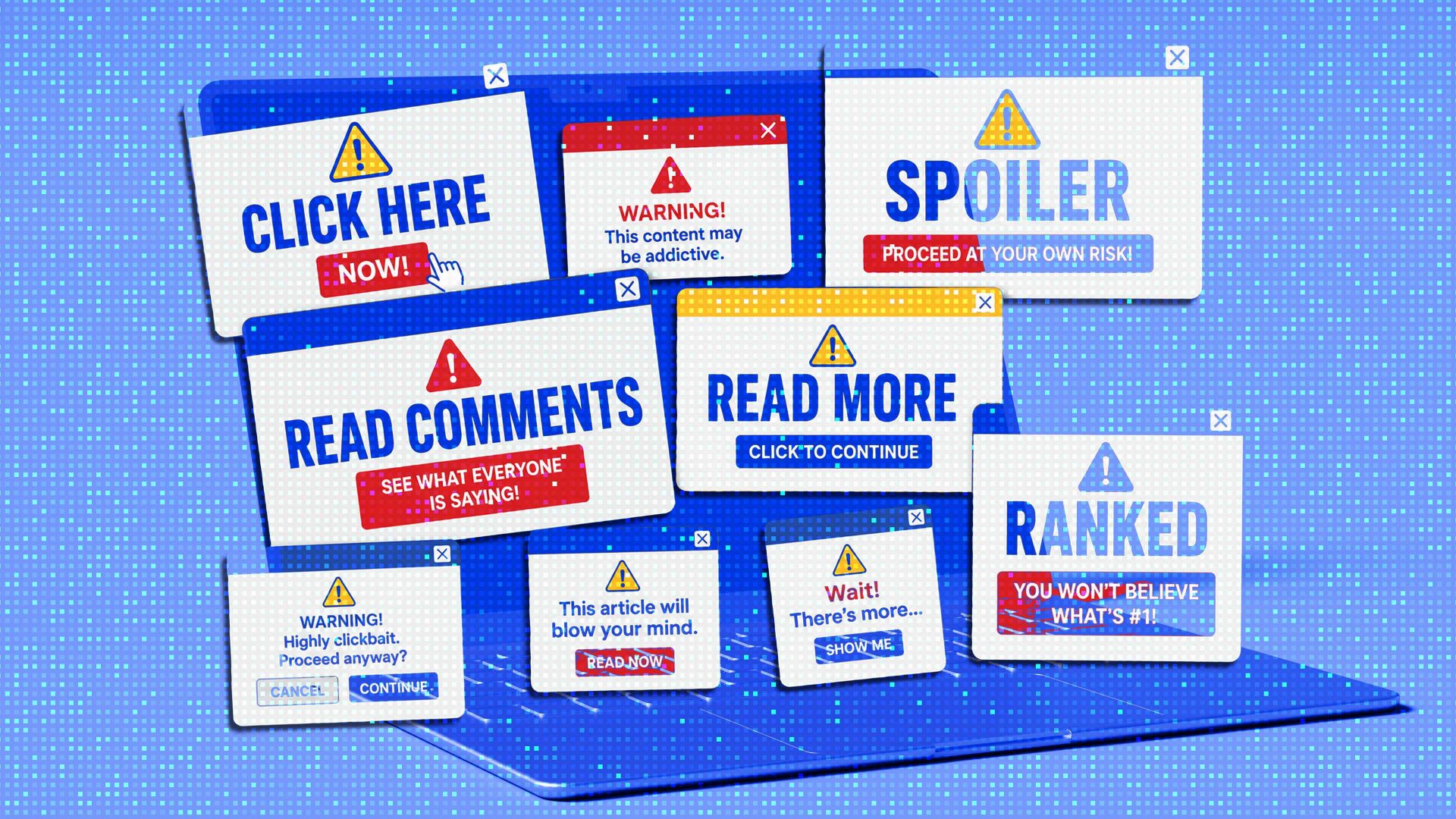
So I’m grateful, Mr & Mrs Internet. But as Marshall McLuhan once wrote, the medium is the message. The internet isn’t just where we write: it changes how we write and read, and not always for the better. Here are 10 things that have done their best to ruin my trade, and infected the rest of journalism as well.
1) Listicles. Fucking listicles. You’ve read them, I’ve written them, this is one of them. The thing is, they work.
You can skim them. They get good traffic. Bung in some pics. Put the pics in a carousel so every item on the listicle is another click, another hit, another bit of revenue-generating traffic.
Lists might be pegged to a new film or book or TV show for relevance, or – my favourite – someone who’s just died. They’re lazy journalism. But we’re lazy journalists and editors and readers, so… perfect.
2) Rankings. Ranking is wanking. It brings to mind the Alan Partridge exchange when he says his favourite Beatles album is the Best Of The Beatles.
Shakespeare’s Complete Works: Ranked. Books of the Bible: Ranked. It’s as if we, the critics, are having our revenge on the artist. You think you’re good but here’s the definitive list.
And again, a favourite is the postmortem ranking – with rank now holding the sweet tang of decomposition, but done while the body is barely cold. It’s like someone getting up at a funeral and listing the dear departed’s deeds in order of shit to good.
Suggested Reading

This is Christopher Nolan’s world, and we’re lucky to live in it
3) Search Engine Optimisation. SEO was the idol we all worshipped for years. First sentences needed to include keywords. Complicated, or creative use of language was bad. Hemingway, not Proust.
The great irony is that even as we twisted our thoughts so the Google God would bless us with clicks, AI has come along and kicked SEO into the gutter.
4) The comments section. The idea that we could engage with readers in a mature, amusing back-and-forth of ideas curdled into what has become one of the 10 Commandments of internet journalism: Thou Shalt Not Read the Comments Section.
As one journalist told me when I asked what they hated about online journalism: “The fact that people can casually and anonymously tell you that you should die because you didn’t like the piece-of-shit franchise they’ve hitched their wagon to”. Listicles and rankings tend to exacerbate this like a Mento in a bottle of Coke.
5) Rants. I liked the very first Jonathan Pie video. Just the first one.
The idea of the rant, like the takedown, or the roast, is the performance of righteous anger. “Mark Kermode’s epic rant on Sex and the City 2,” the YouTube video is titled, and we’ll rub our hands in glee. Oh ho! Now sparks’ll fly!
It’s like we watched Network and thought Howard Beale (Peter Finch) was a hero to be emulated, rather than a mentally ill man whose madness is weaponised by an unethical media company for ratings. Howard Beale is also Glenn Beck, Alex O’Connor, Joe Rogan: a pseudo-truth-teller, inarticulating for the inarticulate.
Suggested Reading


20 things Keir Starmer could do next
6) The reporting of utterly meaningless preproduction details. I loved it when movies just turned up and we hardly knew anything about them, but now we’re getting news about films that will be released in 2027-2028… it’s madness.
Of a finished film, we’ll read that there’s a four-hour cut (these long versions are usually assembly cuts never intended for release.) More accurately, we might read that the new film is going to be 138 mins long. So what? What are we supposed to do with that knowledge? See also stories that mention how many minutes of standing ovation something got at Cannes.
7) Also uncorroborated studio fluffery. “Harrison Ford says it’s the best script he’s ever read!” Guess what. He said the same thing about Force Ten from Navarone. He’s an actor. His job is lying convincingly.
8) SPOILERS. Not spoilers themselves, just the way anything considered a plot point, names of characters, identifying the genre of the movie, is now considered to be a spoiler.
The whole idea that we watch television, movies, or read books in order to be perpetually surprised by some plot twist is an incredibly narrow view of art. There was a time when twists were for soap operas – who shot JR? – but M Night Shyamalan and Game of Thrones (which character I really like is going to die gruesomely?) changed all that.
The Tragedy of Hamlet, Prince of Denmark is still good, even though everyone going to see it knows that Hamlet [SPOILER] dies in the end because it’s in the title. It’s called The Tragedy…. Not The They-All-Have-A-Dance-At-The-End-Y….
9) Contrarian takes: especially ones that yuk our yum. I don’t mind “Why I love Sex in the City 2,” but spare me your “I watched 2001: A Space Odyssey and It Was Boooooooring”. The hot takes which want to reduce art to one thing. The idea is to stir up “the discourse,” but when they say discourse, they just mean clicks again.
Suggested Reading

The awful truth about the revolting film Elon Musk wants you to watch
10) Content. I’m not content that what I do is called content. It’s writing. Writing is work; it’s dynamic. It has value. Content is just… there.
Content is passive, lumpy, indistinguished language gruel that passes through your mental oesophagus without touching the sides. It’s the stuff you scroll through while – fittingly enough – sitting on the loo. It says we have to have some stuff here in between the adverts or the suckers will think it’s all adverts.
You’d never buy a book of content from a content shop. It’s a shameful disgrace that we writers – monarchs of language, the unacknowledged legislators of the world (Shelley) – have allowed this spurious appellation to be applied to what we do.
Rant over. Which parts of this hate list did you love most? You can rank them if you like.
John Bleasdale’s novel Connery is published by Plumeria
 Most popular

‘The deep state stole my mini-budget’: An exclusive extract from Liz Truss’s new book


Nigel Farage’s attack on the RNLI and co is a new low even for this bottom-feeder
18 things that will absolutely, definitely happen if Trump gets whopped in the midterms

I went looking for Trump’s America – this is what I found