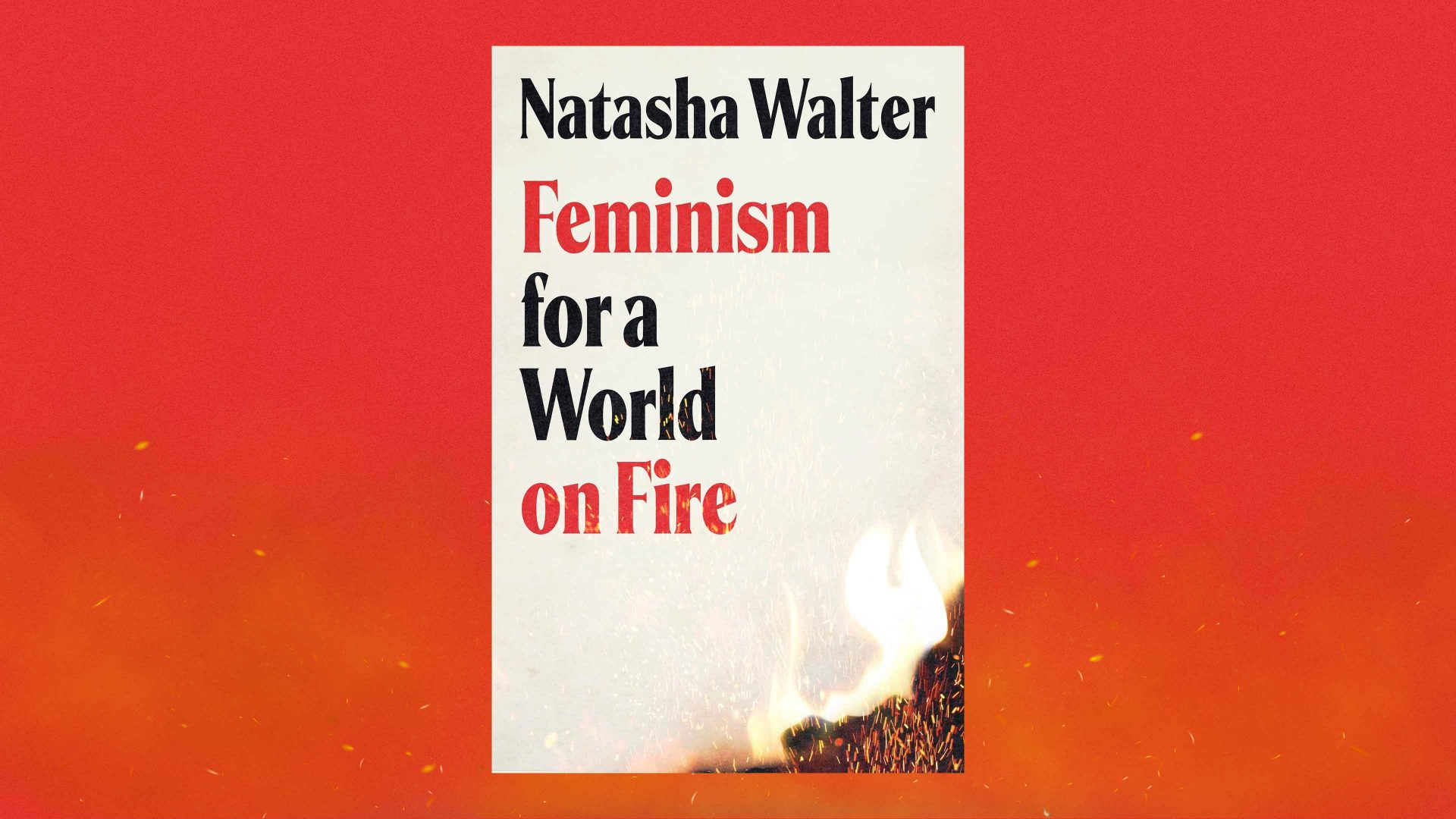
Nothing I have read this year has infiltrated my thoughts as constantly as Feminism for a World on Fire by Natasha Walter.
During summer, leaving my flat with my two small dogs and stopping to check if they would burn their paws for the umpteenth time, the title felt horribly prescient. We were living in a world on fire where in July, there was no measurable rainfall at London’s Kew Gardens weather station for the first time since rainfall started being recorded in 1871.
Walter argues that women will suffer most from the effects of the climate emergency. “When heat rises, so does male violence,” she writes. “The ecological crisis is amplifying every threat to women. Women’s bodies and the body of the earth are in danger at one and the same time.”
My focus as an activist has centered on women’s safety and police reform. I have always figured that since there was only so much I could focus on, I should for the most part keep my eyes and voice reserved for my area of expertise. But Walter has disabused me of the notion that I can advocate for women’s safety without also concerning myself with the safety of our planet.
“All the threats that women face seem to be amplified by climate change,” Walter writes. “When resources are scarce, women might have less access, so, if there’s food scarcity, women and girls go hungry more than men and boys. Or if there’s a lack of resources in a family such that not all the children can go to school, it will be boys who get their education, and girls might be married off younger.”
Suggested Reading

Rejection, the shocking book I recommended too soon
She adds: “The climate and ecological crises are not separate from the other injustices women face – the violence, the misogyny and the poverty. On the contrary, they are intimately linked.”
In addressing the changing level of threat, she compares rising sea levels to rising levels of online gendered violence. “There have always been men who have espoused a dehumanising view of women; there have always been violent men,” she writes. “Yet these men are now able to reach every boy’s phone, undiluted and so often unchallenged… Tech companies not only tolerate but actively promote misogynist content.”
Before reading the book, I hadn’t realised how young women in the UK experience the layered attack of in-person sexual harassment and online abuse. Walter references a 2024 Glamour survey that found that 91% of women were more fearful of deepfake porn than any other kind of online abuse.
And from a Guardian survey, Walter reports: “In 2019, 43% of girls in England strongly agreed that they were safe at school, but in the most recent survey, carried out in 2023, that fell to 21%.” The world truly is on fire for these schoolgirls.
Recently, I saw Walters at a “Road to Gilead” event hosted by Guilty Feminist podcast host Deborah Frances White, with a focus on exploring the rising influence of the far right, Christian nationalism, fascism and authoritarian threats to women’s bodily autonomy. Frances-White talks a lot about how fire from the right can destroy a liberal opponent, even when there is broad agreement about much of what they are saying. Politics has become so divisive that we are crippled by mild differences in opinion rather than standing in solidarity on the big issues, like fascism and abortion rights.
“While it has always been tough to build solidarity, there is something new about our current impasse, because fights and differences are so amplified by the massive new forces that drive communications,” Walter writes.
Suggested Reading
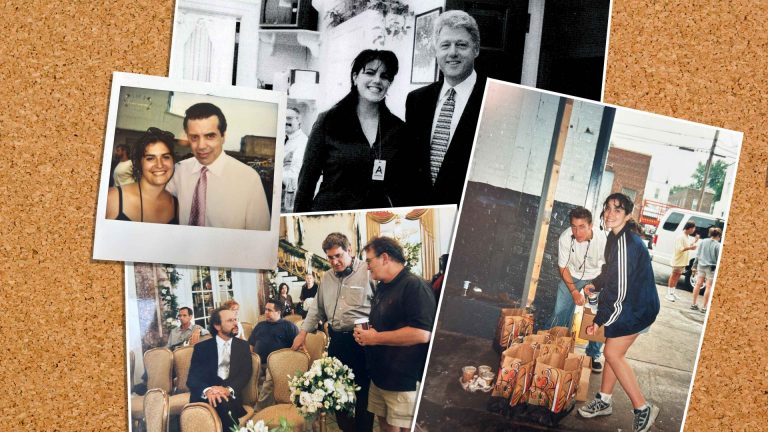
At 19, I was lucky. Monica Lewinsky wasn’t
This modernisation of communications and the women’s sector being “professionalised” means grassroots services are being lost in the mix. A founder of a charity serving minority women in domestic violence situations in the UK told Walter: “When we started in the 1980s, if a woman called us from her house saying she was in danger, we went round. We helped her pack. We took her in a taxi to the refuge, or to our own house…
“Now I see my colleagues taking that same call. They are polite. They go through the safeguarding checklist. They give her another number to call for refuge, a number for legal advice…They hang up the phone. Sisterhood has lost out to professionalism.
“I have witnessed this first hand. Refuges that are responsible for saving a friend’s life have closed at record speed. Big household names of women’s organisations aren’t supplying enough to cover the taxi fare for women escaping violence.”
Suggested Reading

Frida Kahlo and the culture war over women’s pain
But while we can lament failed practices around leaning in and photo ops, the only way we confront the magnitude of literal and metaphorical wildfires that we are facing is by learning from the courage and resilience of women who are already surviving hardship, and building communities and circles of care despite danger to self. We need to stop reinventing the wheel and disrespecting the women that have done and continue to do the work on the frontlines of their communities. That work is not dependent on awards, or slogan t-shirts and it legitimately saves lives.
The most beautiful line in the book comes from adrienne maree brown, an American writer and activist whose book Emergent Strategy: Shaping Change, Changing Worlds has clearly impacted Walter. Brown, whose name is styled in lower case, said, “if we wereaware of the ground on which we organise, we would be more respectful of what is already growing there.” Walters adds, “We would respect and celebrate those among us who are working at the roots.”
My takeaways from Feminism for a World on Fire are that as feminists and citizens, we need to collectively care, to build shelters and foster community. We need to protect one another and our land. We need to stop carrying leaky buckets while the world burns. Solidarity and action are the only things that will douse those flames, and it will take a lot of both.
I can’t just stay in my lane. My lane needs to expand. Alarming as Walter’s book is, it is exactly what I needed to read – the most unforgettable book of the year.