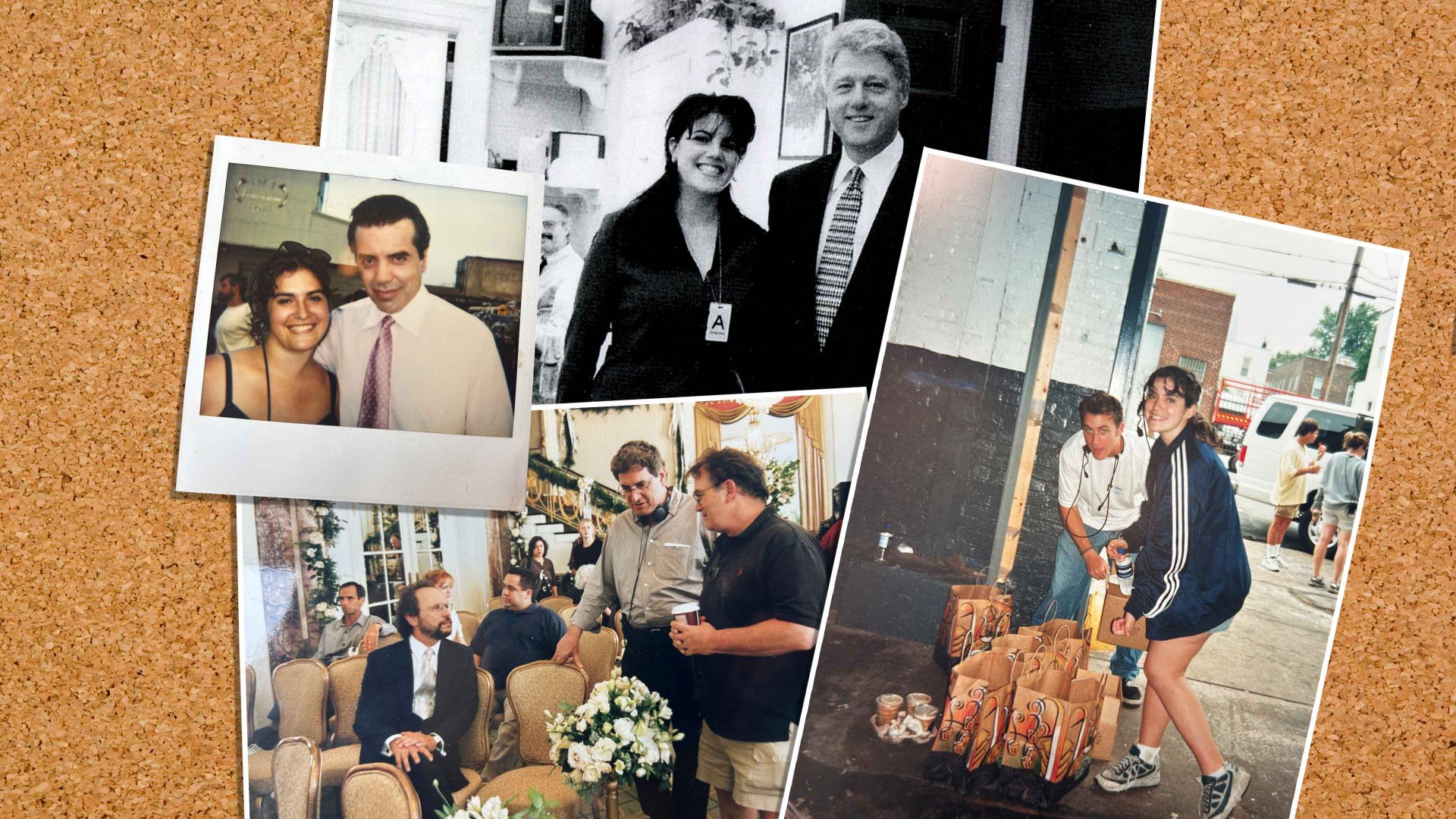
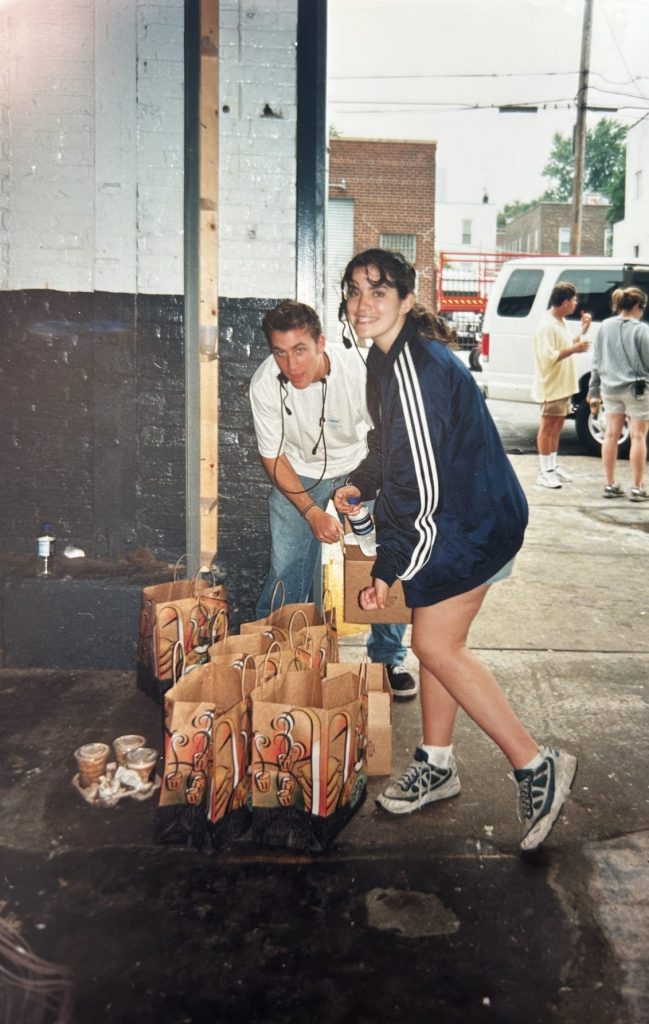
Dear Monica Lewinsky takes me straight back to my internship on the film Analyze This. It was 1998, I was 19, and living on Bleecker Street in the West Village. I had landed the internship of all internships, as a production assistant (the coffee girl) for the Warner Bros film starring Robert De Niro and Billy Crystal.
It was a dream summer where I felt super grown-up. A dream summer where I lived above a funeral parlour, paying incredibly cheap rent because of the constant funerals. It remains the favourite summer of my life, because the people responsible for my safeguarding did just that: they kept me safe.
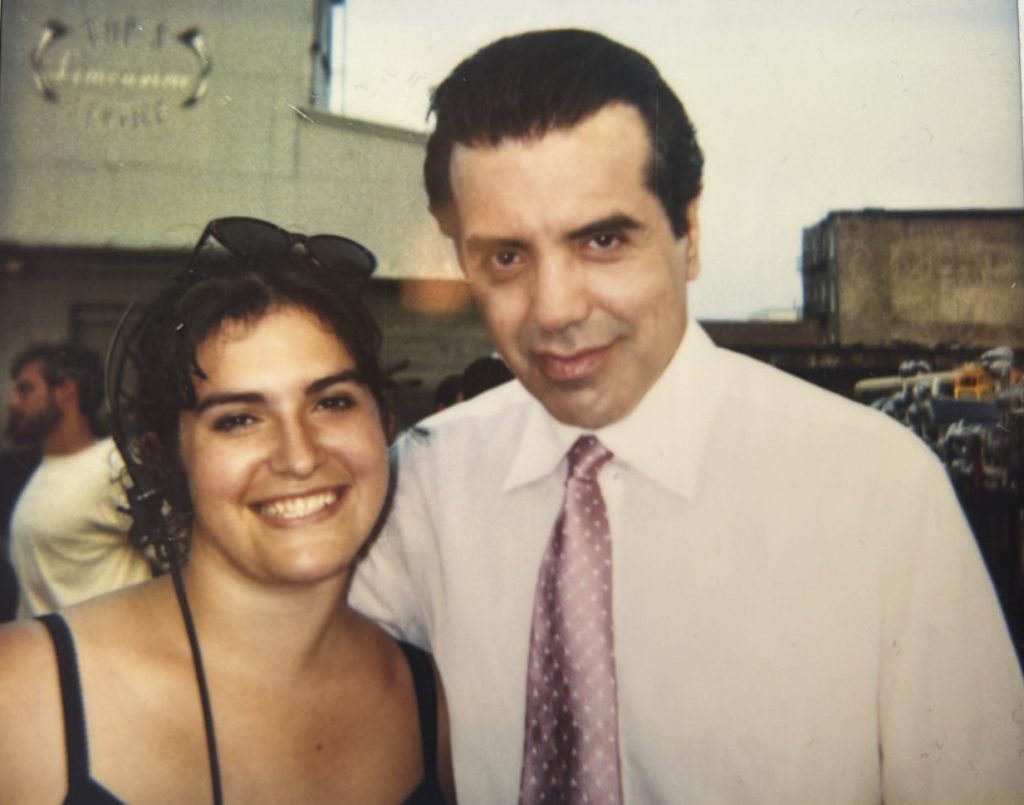
Jamie with Chazz Palminteri
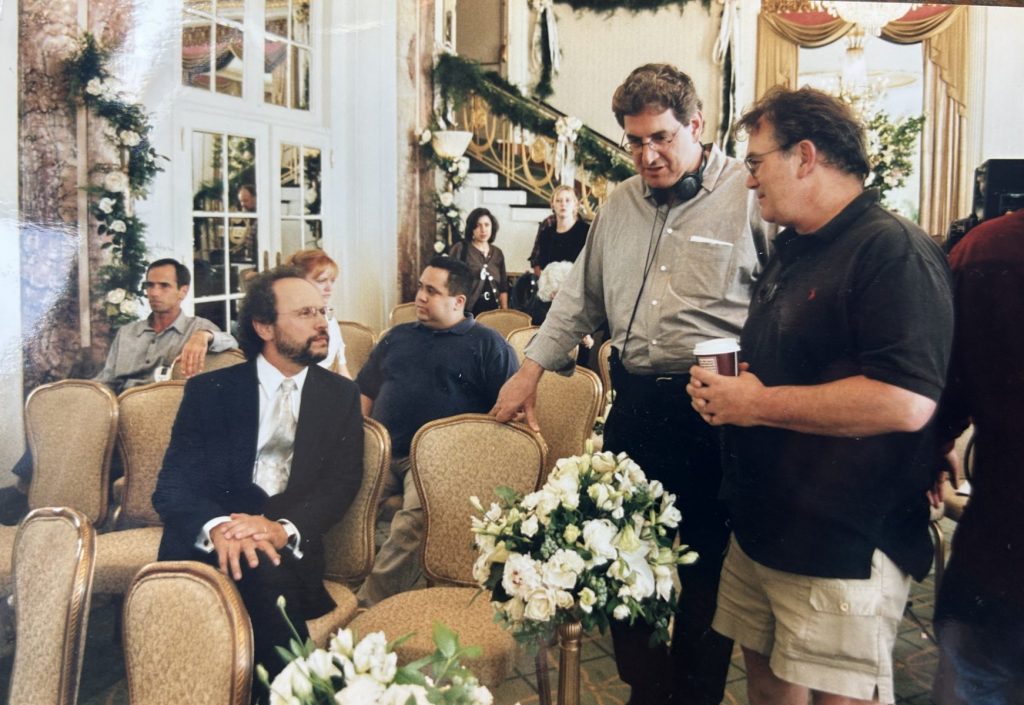
Harold Ramis, Billy Crystal and Michael Haley on
set
John Featherstone was the Teamster driver paired with me for the summer, making hundreds of trips to get frappuccinos for the crew. His family had links to the Westies, the legendary Irish crime syndicate from Hell’s Kitchen who are now the subject of a streaming show. John treated me like I was one of his daughters, the other PAs taught me the ropes, and the largely female production team were collectively my big sisters.
I got to hang out with actors and stunt men, meet Bobby De Niro and Billy Crystal and stay in a bubble of thinking I was worldly and an adult without actually having any of the people I was in awe of take advantage of that power dynamic and treat me like a fully grown woman.
Suggested Reading

Goodbye Dolly Parton, my favourite feminist and ultimate ally
In Julia Langbein’s novel Dear Monica Lewinsky, the protagonist, Jean, is spending summer 1998 studying abroad in France, also as a 19-year-old student. She writes a diary about her defining French summer while also trashing Monica Lewinsky, the news story of that summer.
Jean’s teenage self denigrates Monica for being a temptress whore rather than identifying with her as someone who was groomed and then sacrificed at the altar of late-night comics and the virtuous hypocrisy of the Republican Party.
Two decades later, Jean is invited back to France to celebrate the retirement of her own Bill Clinton, her married professor David, to whom she lost her virginity that summer. While working back through a lifetime of intimacy issues, she revisits that summer and the seduction and “affair” that changed the course of her life and damaged her self-worth.
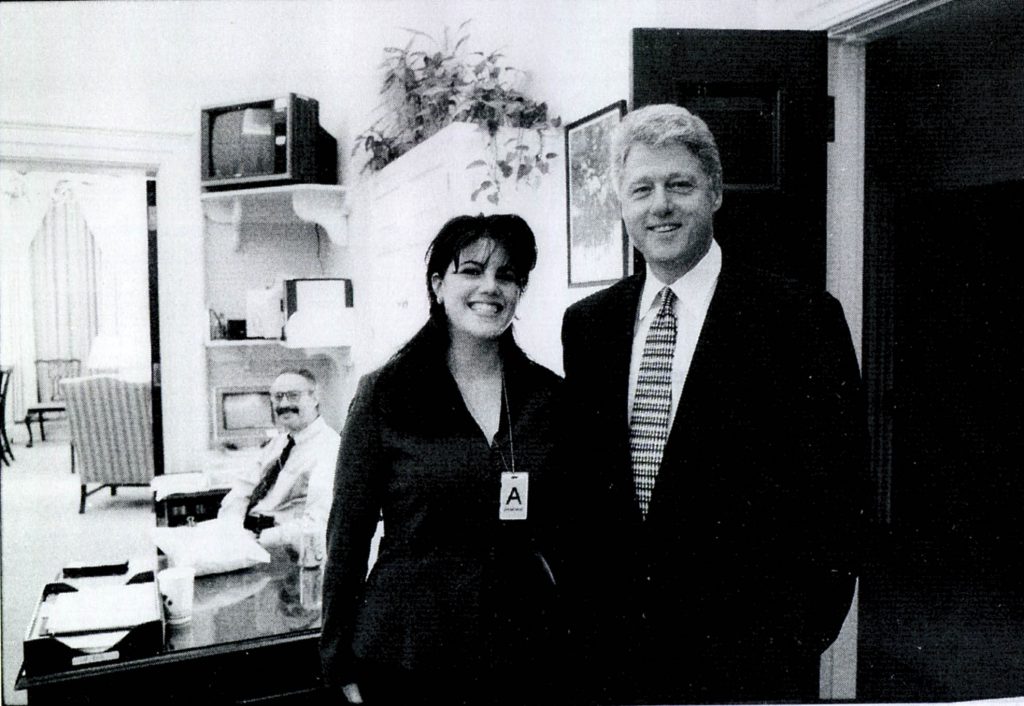
While reading her old diaries, she finds herself praying to a now-canonised Monica Lewinsky and apologising for how she judged her in the past. That Lewinsky is now a saint is a fantastical construction, but it makes perfect sense. She was my generation of interns’ Joan of Arc. Sacrificed and abused and exiled, her recent redemption has been glorious to witness.
It works for the book too, allowing Jean to relive that long-ago summer with an all-knowing St Monica by her side, giving a very different perspective on her own coming of age and allowing Jean to see her younger self through a kinder lens.
Jean, and readers like me, can re-examine that time in our lives when we were witnesses to and participants in the daily humiliation of a girl our age. We watched in real time and were called on to add to the disgust at Lewinsky, just 22 when she went to work in the White House, for seducing the helpless president Clinton, then 49.
In my Analyze This summer, I remember having a crush on a camera operator, getting him a special order mochaccino daily and thinking I was being slick (I was not the least bit slick; I was still a kid). With other girls my age, we talked about how mind-blowing it would be to get that type of attention from the PRESIDENT OF THE UNITED STATES. We were barely able to keep our bras on for the idiots we graduated high school with.
Young women are sexualised from as early as 11, and so by 18 or 19, of course we think we are used to men. We think we can handle their attention and advances, and we mistake their flattery for us having control of the situation – especially if that attention is manifested by calling us clever and funny or unique.
At least with boys our age, we have been taught how to keep our guards up, and we can call out games we have become accustomed to from school. When dealing with actual grown men, yes, we want to be grown-up, flattered and desired, but very quickly that ends up landing us in situations that we are not ready for. My dealings with men twice my age were the closest I’ve ever come to feeling like I was drowning in quicksand.
Suggested Reading

Rejection, the shocking book I recommended too soon
Knowing how to flirt a little bit can lead to being called a tease or that you’d led someone on, and that about-face can happen in a split second. The “what did you expect” is like being slapped; in a very girlish way, I expected to be told I was beautiful and having that left there.
In Dear Monica, there is a perfectly observed scene where Jean is trying to be coy and desirable while simultaneously hating herself for wanting to be desired. St Monica points out that as a 19-year-old, Jean has no experience with 40-something married professors, but the professor has spent years observing, advising and being surrounded by 19-year-old students. The playing field is never even.
Monica’s internship, Jean’s study abroad and my internship all came with men who were supposed to safeguard us. They were in loco parentis.
I was lucky and remain very grateful that those who were responsible for me acted respectfully and allowed me to have my halcyon summer in Manhattan 27 years ago.
But Monica and Jean were both failed miserably. Neither were in the driving seat – or even yet able to reach the pedals. Dear Monica Lewinsky absolves them, but rightly damns the men who fastened their seatbelts and started the engines.
Dear Monica Lewinsky by Julia Langbein is published by Atlantic