Two weeks ago, Ann Widdecombe was killed in her home in what we have since learned was a frenzied and brutal attack. Though Widdecombe was a divisive figure in life, the overwhelming reaction to her death – to the killing of a defenceless 78-year-old woman – has been shock, sympathy and outrage.
With only a few exceptions from fringe figures, the response across the political divide has been to express condolences, and to worry about the rise of politically motivated violence in the UK, which has seen two MPs murdered in the last decade, and death threats becoming a near-daily occurrence for many frontline politicians.
It would surely, then, have outraged and dismayed Widdecombe – a Reform party member at the end of her life, but a lifelong law-and-order conservative before that – to see people who call themselves her friends and allies cynically exploiting her death for political ends, at the risk of making it impossible to convict the man accused of her killing.
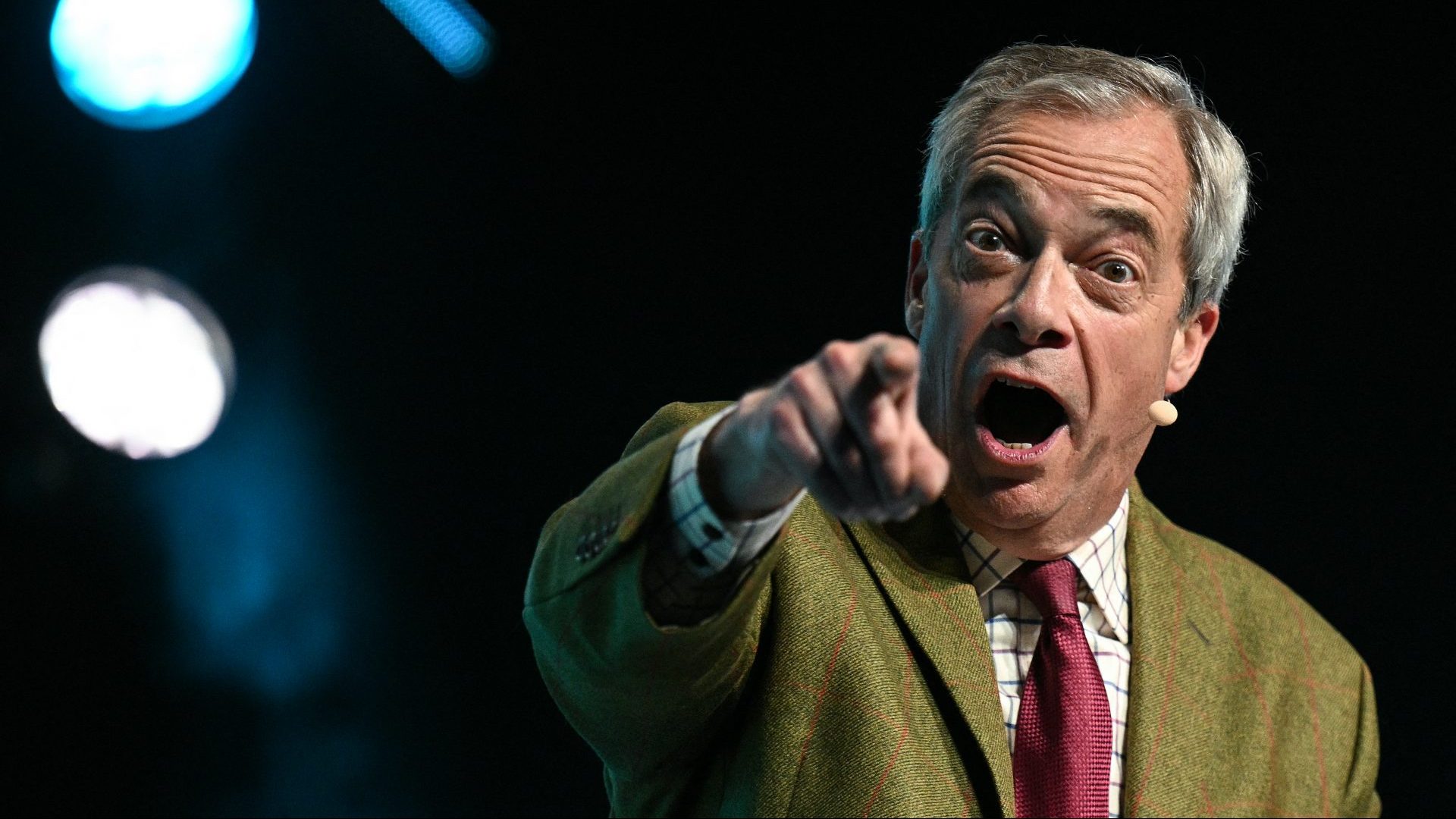
On Tuesday, the day Joshua Kerry appeared in court, Nigel Farage posted to X. “The details of Ann Widdecombe’s murder revealed in court are horrific,” he wrote. “Why will no one report on Joshua Kerry’s political views?”
Nigel Farage is many things: he is cynical, divisive, greedy, irritable and dozens of his schoolmates have said he is racist. But he is not stupid. He knows exactly why no media is reporting on Kerry’s supposed political views, but he is hoping that most of his followers don’t.
Farage is currently fighting for his political future amid a series of scandals around his personal enrichment – firstly through a £5m gift from Christopher Harborne, a major Reform Party donor, that he failed to disclose, and secondly through benefits-in-kind allegedly received and not disclosed, this time from convicted criminal George Cottrell.
He is trying to frame these investigations – the consequences of his own actions – as an establishment plot against him, and with that X post he is trying to imply that the media are part of this plot against him and against Reform. He hopes that his supporters will believe these details aren’t being reported by the media as some favour to the left, to cover up possible motivations for a killing. The reality is very different.
Suggested Reading
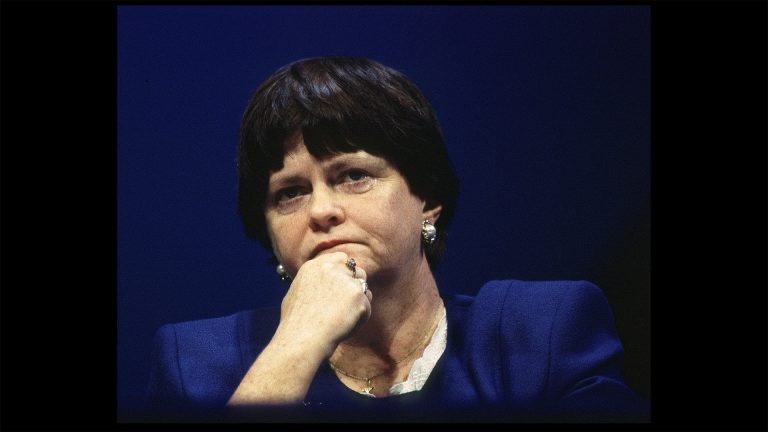

Ann Widdecombe changed politics – and I should know
The media is not reporting on Kerry’s political views because we are not allowed to do so – and neither is Nigel Farage. The UK has strict contempt of court rules that activate as soon as someone is arrested for a crime that may result in a jury trial. From that moment, there are restrictions on reporting details about the alleged crime. If you report details of the alleged crime during this period, you are in contempt of court.
The principle behind this is that, when a jury is assembled to decide a case, they do so based only on the facts they hear in the courtroom, instead of on half-remembered details reported in the media – details that might not be true.
In practice, contempt laws feel like a relic of a pre-internet age, because that’s what they are. They do not stop anonymous accounts on X, or people based overseas, speculating about a case – but they do stop mainstream media putting out accurate information that might quash those rumours.
Contempt laws helped spread wild and false rumours – fuelled by Russian operatives – that arson attacks against Keir Starmer’s home had been carried out by Ukrainian rent boys, with mainstream outlets unable to debunk these lies until the court case had concluded.
Contempt of court now often does the exact opposite of what it is intended to do – instead of building and maintaining trust in the justice system, and stopping speculation, it fuels it. This is especially true when prominent politicians like Nigel Farage exploit contempt laws for their own ends, to pose questions they know the media isn’t allowed to answer.
Breaching contempt can result in jail time for the person who does it – this is one of the things that sent Stephen Yaxley-Lennon, better known as Tommy Robinson, to jail, when he risked collapsing one of the criminal cases of a grooming gang, about which he claims to be so angry.
Suggested Reading
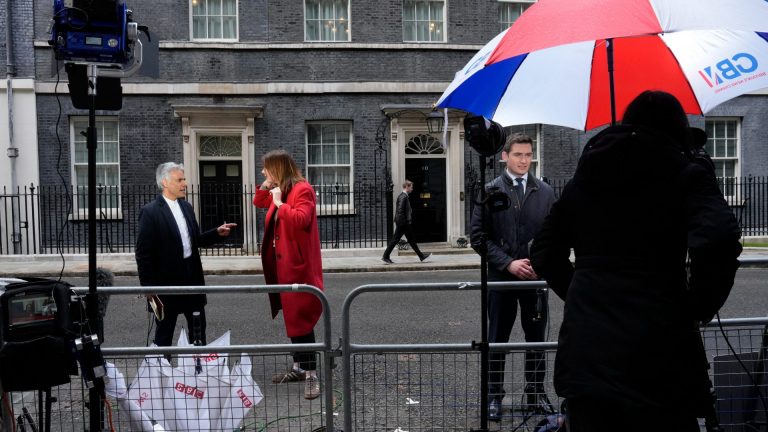

Why wasn’t Ann Widdecombe’s alleged killer at work, demands GB News man
That’s because – in theory at least – breaches of contempt can result in mistrials, if jurors reveal they have seen material that should not have been published. Nigel Farage’s antics could conceivably make it harder for justice to be done in the wake of Widdecombe’s killing.
Farage is not alone in his cynical exploitation of British laws for his own advantage, of course. His deputy, Richard Tice, jumped straight on that bandwagon with his own post asking if Kerry was a member of the Labour Party or the Green Party, and asking what protests he had attended, and who he had been pictured with.
“These answers in no way prejudice a trial,” said Tice later in the post, entirely incorrectly. Contempt doesn’t work like this. Just claiming you aren’t doing it doesn’t get you off the hook.
Nigel Farage is supposedly trying to become prime minister, trying to convince enough voters he can responsibly lead a nation, and that he cares enough about the people of this country to do it responsibly.
His actions speak louder than words: he is exploiting the death of his colleague to try to get himself out of political trouble. By doing so he is, quite literally, putting himself beneath contempt.
 Most popular

Suella Braverman’s book has sold only 106 copies. This is why
The Brexit majority has gone for ever – rejoin now has a majority of 9 million

The mask has slipped – now we can see the real, shameful face of Reform

The riots in France are being stoked by Russia and Iran