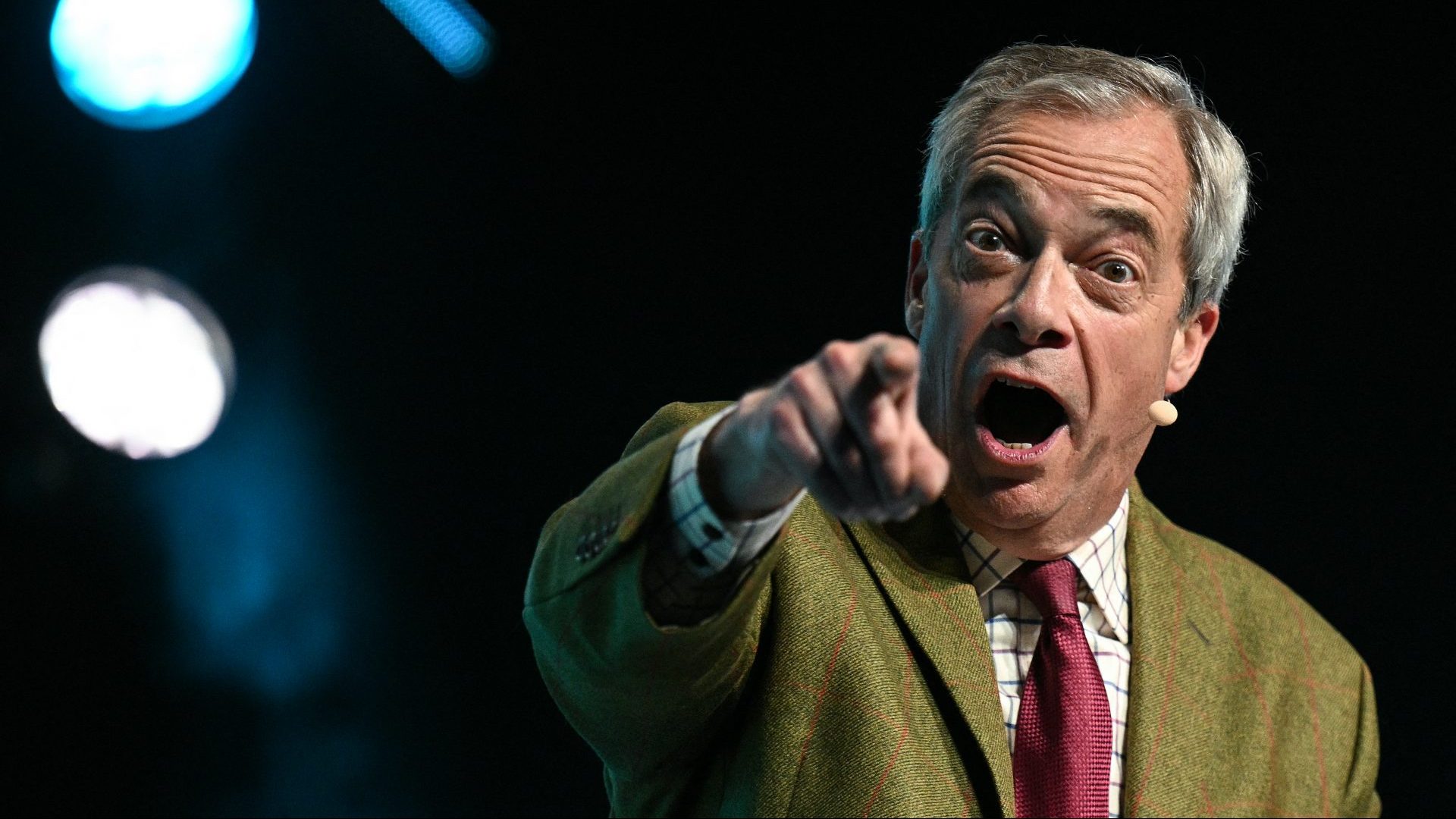
If there is one image that should depress Labour MPs even more than the current leadership spasm, it is Zack Polanski as the keynote speaker at the National Education Union (NEU) annual conference, being cheered to the rafters for saying the sorts of things Labour politicians would once have said.
It heralds even greater long term danger than the electoral tsunami that washed across Labour on May 7, and sent so many councillors out of office. Polanski hit all the notes a Labour politician in opposition would have hit. We should abolish the “toxic, failing” Ofsted, pay teachers properly, end the ideologically driven drive to academies…
If the 126-year-old link between Labour and the unions falters, then the left’s strategy for stopping the rise of the neo-fascist far right in Britain – a strategy that has so far relied on a strong Labour Party – is in tatters. And if the unions get into the habit of putting their political funds in places other than Labour, there is the appalling prospect of Reform muscling in, posing as the workers’ and trade unionists’ friend.
Suggested Reading

Tommy Robinson’s pointless, confused, US-funded march
For professional reasons, teachers have never allowed their union to affiliate with the Labour Party, and the NEU has no political levy that Polanski can take from Labour, though it has always considered Labour its only political friend.
But Polanski is talking privately to a few Labour-affiliated unions (he won’t say how many). The 15,000 strong Bakers Union, which disaffiliated from Labour in 2021, has invited him to speak at its conference this year. The president of the Barkers Union, Ian Hodson, says that Polanski is “engaging with trade unions at a time when many working-class people feel increasingly unrepresented.”
If even one small union were to take its money and allegiance to the Greens, then the now seriously fractious and disunited behemoth Unite, already half way out of the Labour Party and closely following the current leadership uncertainty, would struggle to hold the line.
But there is worse – much worse. Talk privately to some local organisers for unions like Unite and the Fire Brigades Union, and they will whisper that their local Reform politicians do not seem so bad after all. “He understands us – he’s a former shop steward,” one of them said to me of a Reform councillor. In Birmingham, Reform has successfully posed as the union’s friend in its long-running and bitter battle with the Labour council.
Suggested Reading

Farage wants to dodge the blame for Brexit. We can’t let him
Ever since the unions founded the Labour Representation Committee in 1900, the Labour Party and the unions have been part of each other’s DNA. Labour Party and union activists referred routinely to the “labour movement”, with its political wing and its industrial wing. Until 1918, when Sidney Webb drafted its constitution, you could not join the Labour Party – you joined an affiliated trade union, or a socialist society, like the Fabians.
It was “this great movement of ours” that sustained Labour. After electoral debacles in 1931, 1983 and 2019, the unions were on hand to offer wise counsel. Union leaders like Ernest Bevin, Arthur Deakin, Frank Cousins and Jack Jones formed a praetorian guard around successive Labour leaders. “He may be a bastard,” the trade unionists would say, “but he’s our bastard.”
Yet throughout all that time, Labour and the unions have been moving apart, with glacial slowness. It began in the 1930s, when the unions’ power over Labour policy started to wane. There was an attempt to shore it up at the start of the 1980s, but instead the erosion picked up speed. After the miners’ strike and the print workers dispute, union power, influence and membership went into freefall.
Suggested Reading
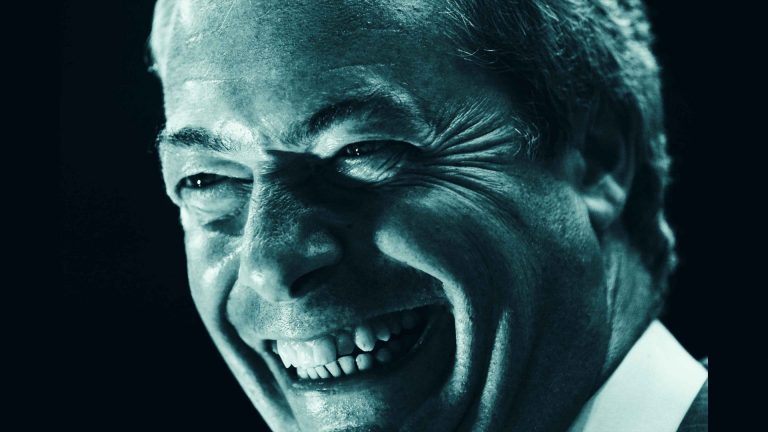

How to beat Farage
When James Callaghan’s Labour government left government in 1979, TUC-affiliated unions had almost 13 million members. Union leaders made and broke governments, and were as well known as cabinet ministers.
Eighteen years later, when Labour returned to government under Tony Blair, it was visibly embarrassed by its industrial arm; the then TUC general secretary John Monks described being treated like “embarrassing elderly relatives at a family gathering.” Membership is now 5.5 million.
Blair, and those who advise Starmer, think the unions are far more trouble than they are worth. Unions increasingly feel betrayed and abandoned by the Party they created, and they are in a mood to listen to Polanski.
The model of affiliation is broken. It no longer benefits either Labour or the unions, and it provides ammunition for the enemies of both. Union leaders know that their collective voice at Labour conferences on everything in the world, from abortion rights to foreign policy, is slipping away – as is Labour’s place in the old two-party system.
 Most popular
The problem is they just don’t care about us any more
The New World at 500: Independence isn’t our marketing slogan. It’s our business model
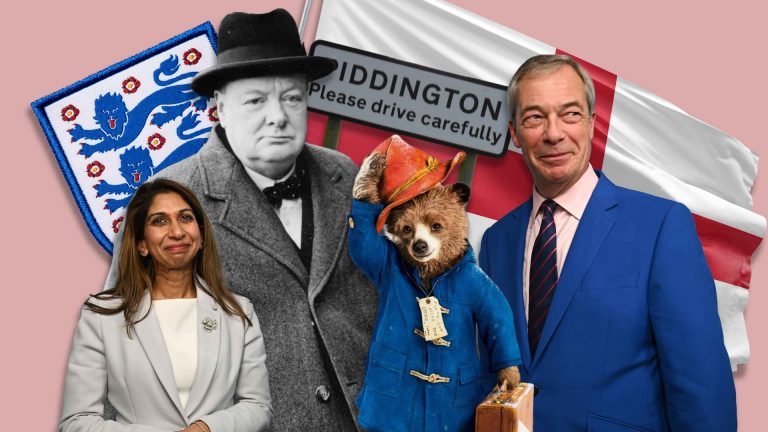

Churchill, the Beatles, St George: All the English heroes who aren’t actually English
Sorry Nigel, but the polls show you’ve had it