Central banks tend to talk in code, especially when discussing potentially contentious issues touching on politics. But it did not take an especially strong grasp of cryptography to decode the warnings in the latest Financial Stability Review (FSR) from the European Central Bank (ECB).
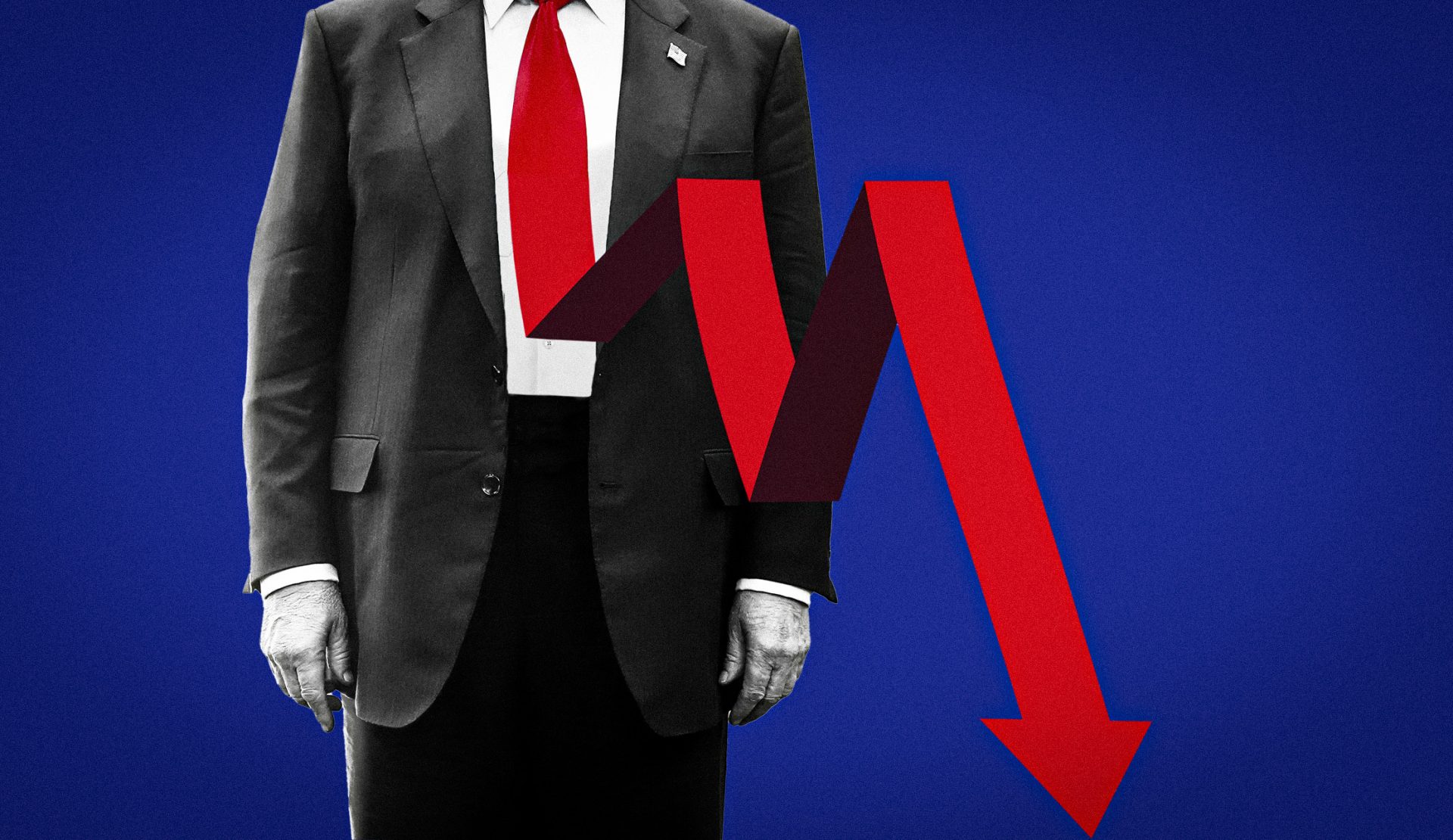
The monetary authority at the heart of the Eurozone warned that the health of the financial system “is being shaped by geoeconomic stress and energy supply disruptions,” or, in plainer English, by president Trump’s war of choice in the Middle East.
And the ECB did not stop there. It further warned that these trends were “being amplified by lingering uncertainty about global trade and international cooperation.” Once again this was the central bank equivalent of a neon arrow pointing at the White House. Rarely, if ever, have the actions of one man had such a profound impact on the global economy.
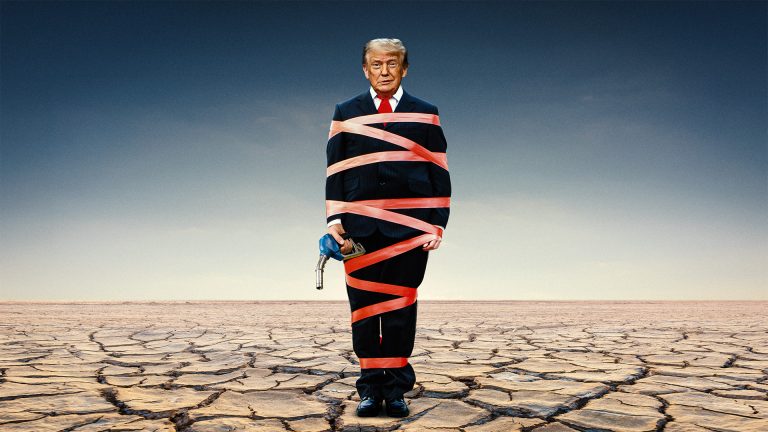
The closure of the Strait of Hormuz has severely disrupted global energy markets and those disruptions will persist even after the Strait reopens. As the ECB’s report makes clear, the immediate effect will be higher inflation and lower economic growth. To that can also be added notably higher interest rates.
None of this is welcome news for the economy, but is it also a risk to the stability of the financial system as a whole? The ECB worries that it might be.
One major concern is that investors – or at least stock market investors – are still too complacent about the very real risks emanating from the war. Energy prices, even though below their recent peaks, remain around one third higher than in late February. Around the world, the higher expected path of inflation has pushed bond prices down and the yield, or interest rate on them, up. This makes it more expensive for people, businesses and governments to borrow money.
And yet share prices keep hitting new highs – perhaps, the ECB suggests, a bit too high. The longer the closure of the Strait lasts, the greater the risk that the people who own those shares reassess their rosy assumptions and decide to start selling. If that happens, stock market prices could fall sharply.
Suggested Reading
The US economy cannot escape the Iran war, no matter what Trump says
But while the stock market tends to grab much more attention – and certainly president Trump and his officials are always keen to herald fresh highs – it is the debt markets that are giving the ECB more sleepless nights.
In particular much of the ECB’s alarm is focussed on the outlook for US private credit markets. Private credit, a market where non-bank investment funds provide loans to other firms as an alternative to traditional bank lending, was a tiny niche sector two decades ago, but one which has seen explosive growth since the financial crisis of 2007-09, especially in America.
This somewhat opaque market is now valued at between $2-$3 trillion dollars and, before the US and Israel began their bombing campaign, was the centre of investor concerns for the outlook in 2026. Some high profile blowups in late 2025 caused Jamie Dimon, the long-serving CEO of JP Morgan, to warn that, “when you see one cockroach, there’s probably more”.
Fears that more private credit lending could start to go bad, began to overlap with a new worry that advances in AI could undermine the business model of many software firms, which had been especially large recipients of private credit lending in recent years. This prompted a rush of investors who all wanted to get their money out of private credit lending firms in the first quarter of this year. In response, many of these lending funds invoked their lock-up procedures, which limit redemptions to 5% of a fund’s value each year.
The Iran War, by slowing economic growth and pushing up costs, is likely to hit corporate profitability in the non-energy sector while, at the same time, raising the cost of borrowing. That could easily force more of Mr Dimon’s cockroaches to the surface and see more firms borrowing money from private credit as those funds begin to default or miss payments.
Suggested Reading


Donald Trump’s war on taste
The ECB reckons this would be more of a problem for US markets than European ones, but is hardly sanguine about matters closer to home. In European debt markets though, the bigger issue is government borrowing. With government debt levels high, the need for some sort of fiscal response to the energy price shock could send government borrowing costs sharply higher.
If a real financial shock did emerge, whether from the stock markets, the private credit markets or from public debt markets, then one clear lesson of 2007-09 is that global co-operation is key to containing it. But, as the ECB warns, the Trump White House with its volatile tariff policies, its bluster and bullying and its keenness to pick fights with traditional allies makes that sort of co-operation all the more difficult. If a crisis does come, managing it will be much harder as a result.