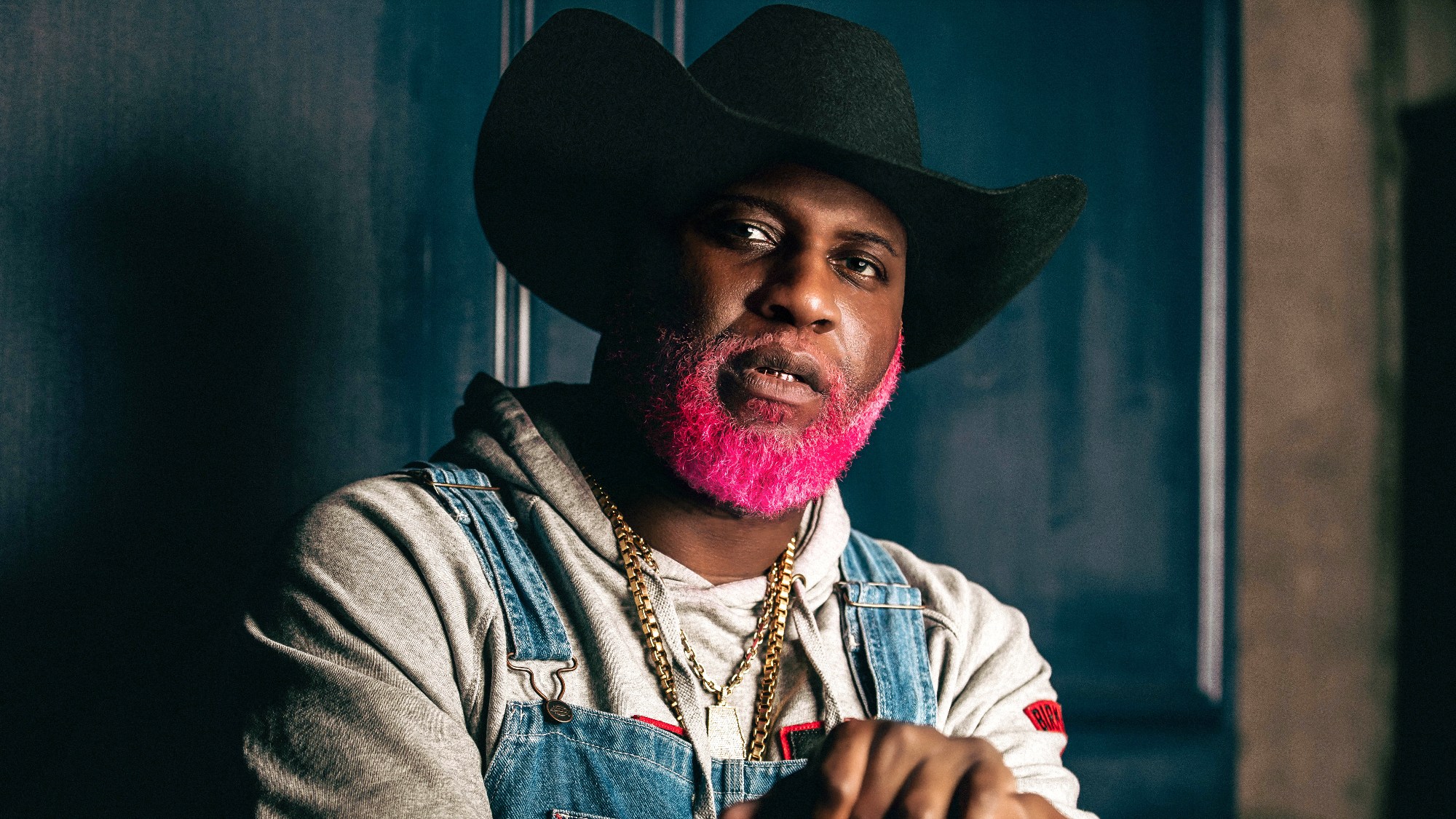
The video opens with a woman running away from an ICE enforcement officer, then cuts to a Black man called Pynk Beard. “Livin’ in the land of Lady Liberty,” he sings, “Roundin’ up everyone who looks like me.” The song is called ICE On the Road, and it’s a country song.
On a talent show, a rapper and singer called Jelly Roll sings a ballad about male depression and insecurity. It’s called I Am Not Okay, and it’s a country song.
At the Grammys, a young Black woman called Mickey Guyton sings a song about her personal experience of racism. It’s called Black Like Me, and it’s a country song.
A viral video plays on a mobile phone: it’s rapper Lil Nas X with K-Pop giants BTS. The song is Old Town Road, and it too is a country song.
In 1975, Waylon Jennings wrote and recorded a song about the ups and downs of being a country singer and named it Are You Sure Hank Done It This Way?, after the great Hank Williams. It was a huge success, made even more so when Hank’s son Hank Williams Jr took it up, adding his own brand of redneck rocking to it and turning it into a song his father might have found puzzling.
But then, country music has always been a broad church. From Bob Wills and his Texas Playboys in the 1940s mixing swing music with C&W to Ray Charles finding the soul in countrypolitan, country’s boundaries have always been flexible.
In the 1960s and 1970s, the arrival of country rock in the form of Poco, Gram Parsons and the Eagles was mirrored by the outlaw country of Waylon Jennings, Willie Nelson and Kris Kristofferson. In the 1980s, Dolly Parton embraced the mainstream both with her soundtrack hit 9 to 5 and her Bee Gees-written Kenny Rogers duet Islands in the Stream.
And now country is once more an integral part of pop music: from Taylor Swift, whose debut single was a tribute to country singer Tim McGraw, to Sabrina Carpenter, whose Please Please Please sounds like Giorgio Moroder working with Nanci Griffith. Even the David Lynchian queen of moodiness, Lana Del Rey, has brilliantly covered John Denver’s Take Me Home, Country Roads.
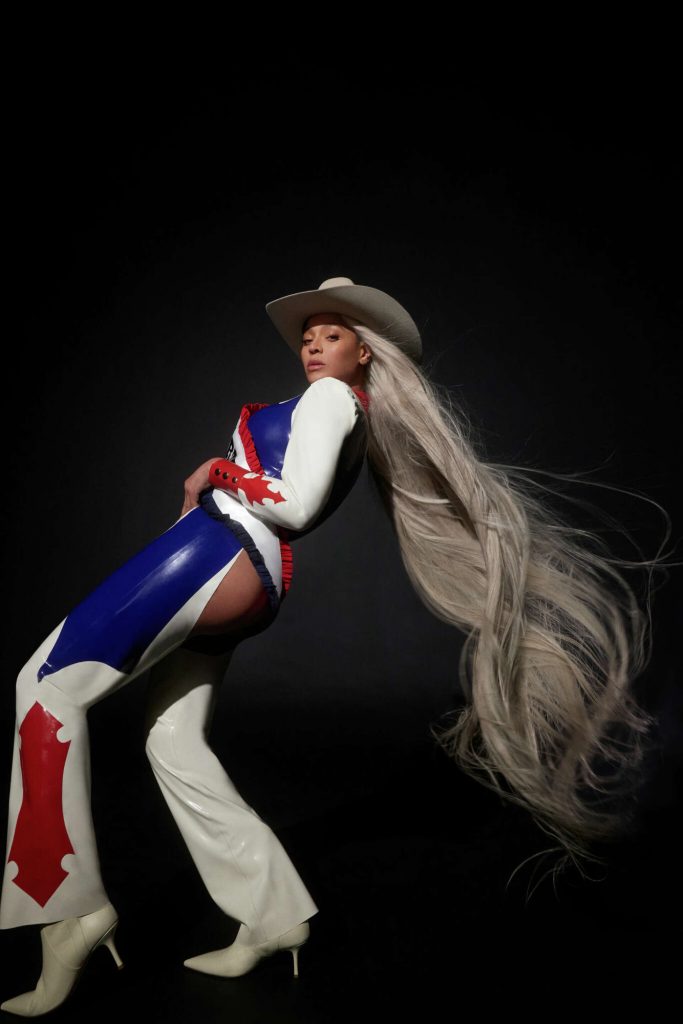
And then there’s Beyoncé. In 2024, she released the remarkable Cowboy Carter: on one level, it’s a fun album in which she gets to wear spangly cowboy gear, but on another, it’s a reclamation of the importance of the Black contribution to country music.
With contributions from Willie Nelson and Dolly Parton, Cowboy Carter also featured the voice of Linda Martell, the first commercially successful Black country artist. Its effects on country music are immeasurable.
In 2026, there’s country all the way through almost everything. Not that you’d notice in what’s left of the music press, which still holds a candle for Americana, aka alt.country, aka dressing up like you wished The Band were still going. People who still only listen to Johnny Cash have got good taste, but it’s like calling yourself a jazz fan and listening to only Louis Armstrong and his Hot Five.
Meanwhile, the rest of the media still equates “country” with, at best, “redneck” and, at worst, “MAGA”. Country music’s politics have always been a case of dress like a cowboy, vote how you want: and there is no better example of country’s liberal heart than the late Dolly Parton.
Sure, country can be hick-thick (I still mourn the mental and artistic decline of Kid Rock, who went from being an engaging redneck rapper to full-on Trump bozo) but it can also take on racism, misogyny, society’s failures and pretty much anything else, and it always has, from Jeannie C Reilly’s small-town-hypocrisy-nailing Harper Valley PTA to Martina McBride’s feminist anthem Independence Day.
There has always been activism in country music: for every flag-waving clown in a stetson, there’s someone with a different point of view. Like Johnny Cash, whose outsider image was more than just a pose. Cash was not only engaged in justice for the incarcerated, testifying at a hearing on prison reform, but was also an early supporter of the rights of indigenous peoples, performing benefit concerts and recording the song The Ballad of Ira Hayes, a tribute to the Native American soldier’s tragic life.
Then, as mentioned, there’s Dolly Parton, who managed to be officially apolitical yet at the same time supported a variety of causes, including the LGBTQ+ community, promoting vaccine use during Covid, and of course her childhood literacy campaigning.
Suggested Reading

The woman who’s solved the world music appropriation debate
And this broad base is part of country’s modern appeal – in the US, anyway. Country music has never been a major part of British life. We may accept the occasional artist into our hearts, most notably Dolly, we may revere a select few (Cash), and might even go line-dancing: but we generally like the country artists who can write a pop song, we admire the revered but don’t tend to buy their music, and even if we line-dance, it might be to such uncountry artists as Steps.
This is not the case, as you might imagine, in America, where 45% of Americans say they like listening to country music. Americans listen to and watch 14.1bn streams, an increase of 768% in a decade.
Country is everywhere. Why? Firstly, because it’s great – the sheer thrill and inventiveness of most country artists puts the pop charts to shame (and the wit and humour too: from Gretchen Wilson’s hilarious and proud Redneck Woman – “I keep my Christmas lights on/ On my front porch all year long” to Kacey Musgraves’s frankly filthy Dry Spell – “I’m so lonely/ Lonely with a capital H/ If you know what I mean/ I’ve been sitting on the washing machine”).
Secondly, because it speaks blue-collar America’s language, and thirdly because, for a format that was created hundreds of years ago by the enslaved and by immigrants, country is always evolving. Listen, if you will, to Shaboozey’s A Bar Song, or to Irish pop star CMAT’s hilariously vindictive The Jamie Oliver Petrol Station.
Country evolves, it comments, it’s music for adults. Unlike much of rap, it respects women (yes, there’s Stand By Your Man, but there’s also It Wasn’t God Who Made Honky-Tonk Angels and a thousand other female-led songs).
And unlike pop, it talks to adults. While pop is still about crushes and lust, country is about grown-up stuff.
Observe the thread of tragedy that runs through George Jones’s best work, from A Good Year for the Roses to He Stopped Loving Her Today. Even Tammy Wynette’s D.I.V.O.R.C.E is a successful attempt to talk about something adult.
Country deals with love and loneliness, but it also tackles male violence, the economy, and alcohol abuse: see David Frizzell’s hilarious but also biting I’m Gonna Hire a Wino to Decorate Our Home. And unlike most rock, it has a sense of humour. I could talk about country and humour for hours on end.
The satirical wit of Alan Jackson’s Gone Country, a record about people jumping on the C&W bandwagon (“Look at those boots!”), the insanity of Johnny Cash’s Chicken in Black (find the video if you dare), and Kacey Musgraves’s entirely lovable Biscuits.
That said, even though country may be funny, it isn’t a joke, and it doesn’t belong to Donald Trump: it’s ever-changing and it’s almost always brilliant. Country is smart, country is fun, and – to use a word I’d normally avoid – country is real.
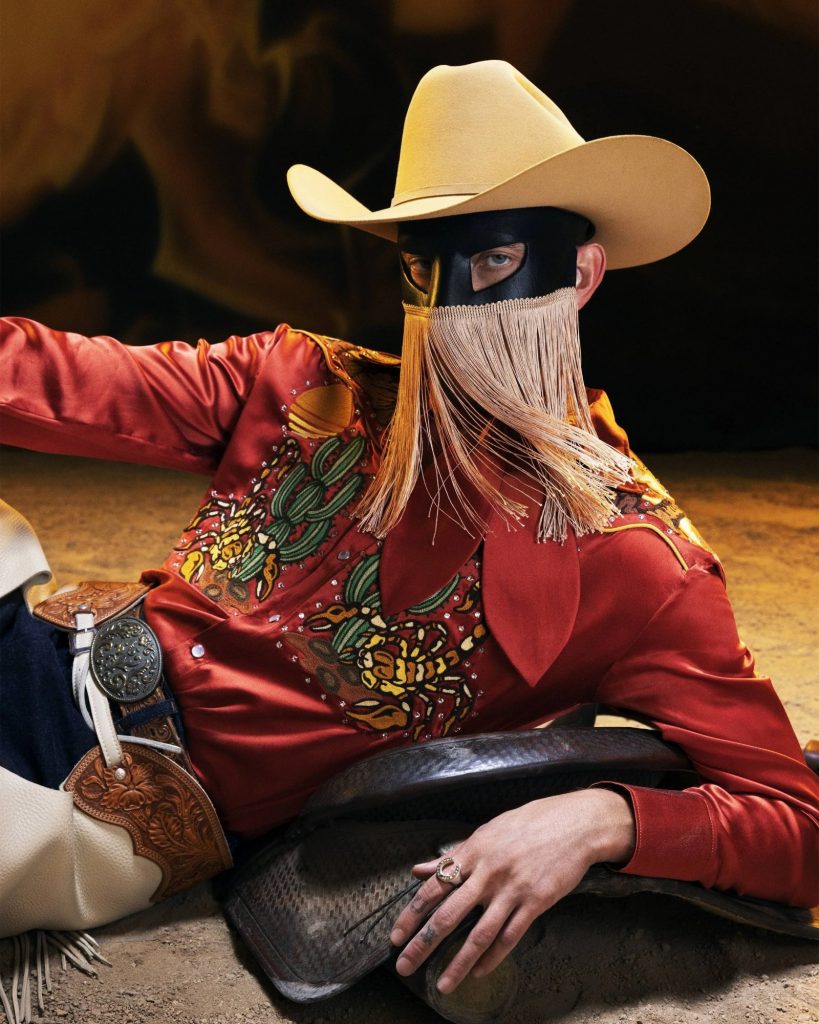
Take the hilarious and pointed collaboration between country legend Willie Nelson and newcomer Orville Peck – Cowboys Are Frequently Secretly Fond of Each Other. It’s an absurd title and a droll lyric, but it contains wisdom from the top of Brokeback Mountain that Kid Rock may never bear witness to.
Country music, more than any other music, reflects reality: it may reflect it in a bar-room mirror, and it may do it in cowboy boots and a big hat, but it shows us the world, and it’s rarely wrong.
Suggested Reading
The case against Winnie-the-Pooh
In 2026, country music is a broad enough church to include Pynk Beard, an artist who can make his mark with a song about ICE’s war on civil rights. It can make space for a song about male insecurity by Jelly Roll, a rapper and a singer. It finds a place for Mickey Guyton singing Black Like Me. And it even lets RM from BTS in to rap with Lil Nas X on Old Town Road.
Are we sure Hank done it this way? Maybe not, but I am sure he’d recognise himself in 21st-century country. Because the sounds and the styles may change, but the heart of country remains the same.
David Quantick’s country music playlist is on Spotify