This piece is probably as much personal therapy – for me – as it is an exercise in thinking in ink, trying to work out what I really think about the current political situation, and what I believe should happen, by writing about it to myself.
It is part inspired by a friend who told me yesterday that “loyalty is your fatal flaw, Alastair.”
Another friend – OK, family member – said to me: “If this was the Tories, you would be straight out the traps saying ‘this is a catastrophe and he has to go’.”
And a third friend (a football manager) put it like this: “He’s lost the dressing room, he’s lost the fans and in his position there is no chairman or board above him, so he has to do the right thing and go.”
They all have a point. But even when armed with these and the avalanche of other views that are pinging around all over the Labour movement, I am still unsure what I think should happen next. And amid uncertainty, it may be wise to sit tight for a while.
Friend 1 had listened to the live The Rest Is Politics episode that Rory Stewart and I did on Friday, as the local election results were still coming in, replete with terrible news for Labour.
She sensed the difficulty I have in going from “these are really bad results and the government is not nearly good enough” to “Keir Starmer’s got to go,” which is Rory’s view.
The family member may well be right, that my Labour tribalism and anti-Tory instincts mean I treat both parties differently, though I was not over enthusiastic about Theresa May resigning because I knew who would take over and what a disaster he would be for the country. As for his successor, Liz Truss… You see, “nothing can be worse than this” is not always right.
Suggested Reading
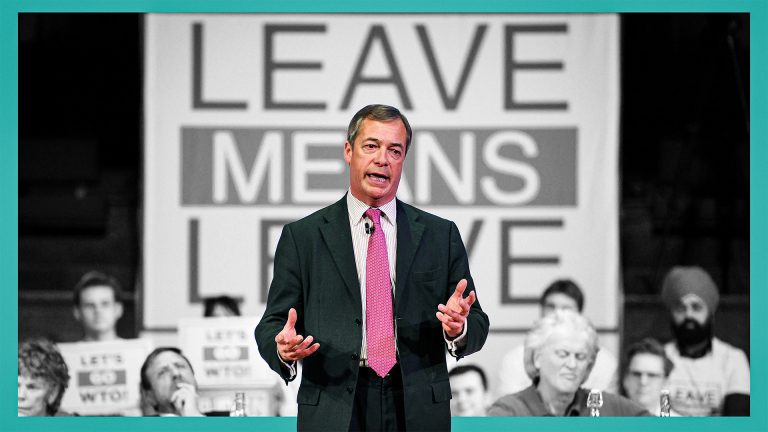
Farage wants to dodge the blame for Brexit. We can’t let him
As for my football manager friend, again he may well be correct on all fronts. But I explained to him that if a struggling football club manager was to lose their job tomorrow, there are plenty out there who could take over, without the fans thinking they would make things even worse.
In the current Labour situation, that is sadly not necessarily the case. And we are talking not about who manages a football team, but who becomes a new prime minister, at a time of enormous economic and strategic challenge, without the public having a say.
Andy Burnham, Wes Streeting, Angela Rayner, Ed Miliband, the names currently most mentioned, all have strengths. They also all have weaknesses, and it is far from certain that any of them can credibly deliver a change from the change on which Labour was elected under two years ago, and which clearly the public feels is either not happening quickly enough, or is not the change they want.
My football manager friend said the obvious thing to do was to “get someone to stand down for Burnham, get him into the Commons in a by-election, and get him to take over.”
Again, he may be right. But just think of the steps required for all that. Historically, seats where by-elections are created for the specific purpose of someone “moving on to bigger and better things” do not always go according to plan.
And even if he did make it to Parliament, if Keir Starmer continued to insist he is going nowhere, and Burnham forced a contest, can he or anyone else guarantee that others would not then run, plunging a party meant to be governing the country into a leadership election that would expose division, and frankly, in the current febrile mood, lead any which way? Nobody saw Jeremy Corbyn coming at the time, until he did.
Again, that speaks to people taking a bit more time really to think all this through.
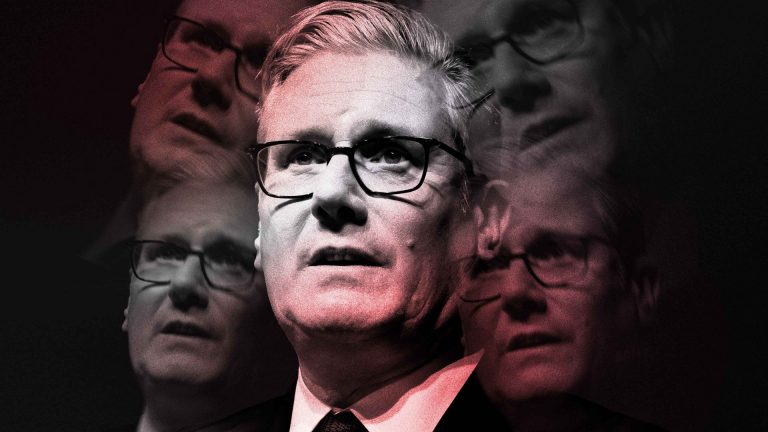

During that time – and I mean months, not years – if the Cabinet reach the consensus that Starmer simply cannot step up sufficiently to deliver the kind of progress and change that gives Labour the chance of a second term, then they have to say so.
Not via the media, or via stalking horses, or via nods and winks and coded messages, but collectively to his face. That is political gravity which, as even Margaret Thatcher learned, cannot be defied.
What’s more, during this period Starmer would have to understand, and operate accordingly, that this really was him fighting for his political life, that more of the same just will not do. And that starts with the speech he is making on Monday.
He cannot underestimate how baffled and angry people feel that Labour has gone from a huge majority to this – dreadful results, and having to set out yet again a sense of direction which should have been clear from day one.
Clear direction is key. So is a forward agenda that can meet the scale of the challenges the country faces. Values. Fight. Passion, shown not told, and given the post local elections context, a sign that he understands the seriousness of the threat Nigel Farage poses, and is the man to lead the country in the fight to prevent it happening.
Suggested Reading
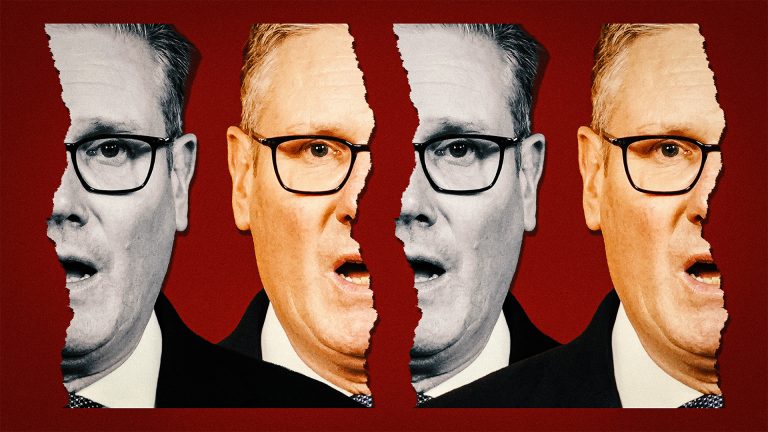
Schrödinger’s PM: Keir Starmer is both politically dead and alive today
Right now, many of his colleagues doubt his ability to do it. Dozens of MPs are looking at the local results and seeing their own parliamentary careers careering to an end. Hundreds of councillors are hurting.
If he can’t persuade them, and soon, that he can turn things around, and lead the government to be better than it has been, he knows he is in real trouble.
Being prime minister has always been tough, and in modern times perhaps tougher than ever. But those who think getting rid of Starmer is as easy as Rory makes it sound cannot overlook the fact that the Tory brand was in part trashed because they changed their leader so often while in government.
And as a country, we cannot keep changing the prime minister without being clear that the change will make things better, not worse. There are already too many former prime ministers lining up at the Cenotaph in November. If we are changing another one less than two years after a landslide, it might be that we are becoming ungovernable, and unserious as a country.
This current crisis for Starmer is about much more than the personalities. It is about what our politics has become, and whether it is fit for purpose.
That might be one of the questions he puts into the mix in his speech. But it is answers we need, if he is to survive, if Labour is to be more than a one-term wonder, and if Britain is to become the stronger, fairer country promised less than two years ago.
 Most popular


Emily Maitlis’s diary: Trump doesn’t fear the AI apocalypse – but he’s terrified about the midterms
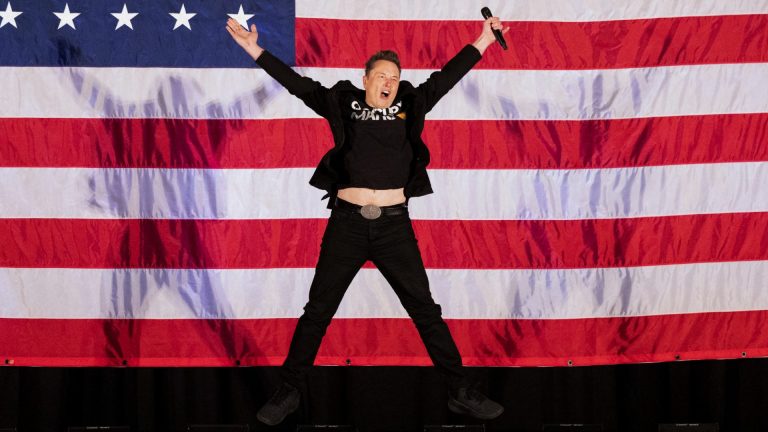

A new film about Elon Musk reveals him as so awful it’s almost tragic. Almost

My day out with Danny Tommo
I was at Eton with Charles Spencer – this is how it explains his battle with the royals