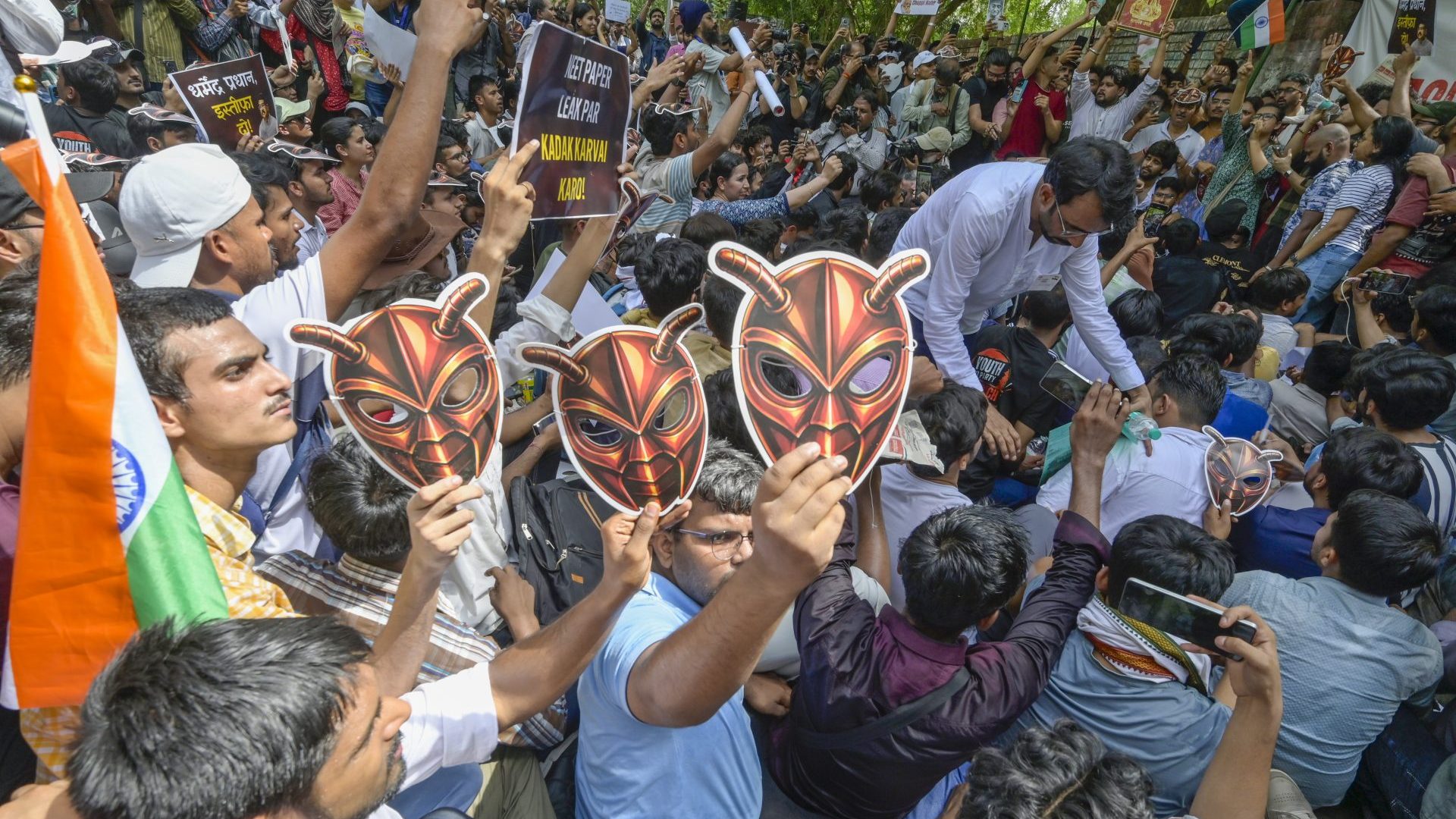
When I was small, we had a cockroach infestation at home. The grownups tried everything, from pest-control sprays to roach-killer gels, but weeks passed with little success.
Then my 87-year-old great-grandmother told me: “All your efforts will be futile. Don’t try to kill the roaches; you can’t. Treat them for the goddess they are. They’re the symbol of ‘Mahalakshmi’, the goddess of prosperity. Simply accept that they will live with you.”
The past few months have seen the cockroach rise up as a national metaphor. India’s youth have taken on the animal as their symbol in a wave of protests about botched recruitment tests, delayed appointments, and an unforgiving job market.
Now, millions of young Indian people are wondering whether diligence, hard work and financial sacrifice still guarantee opportunity.
What began as outrage over institutional failures swiftly evolved into a broader demand for accountability. India has nearly 750 million people under the age of 30, a generation whose aspirations and expectations now exceed the opportunities on offer. It is a demographic with the potential to reshape India, which prime minister Narendra Modi has now realised.
What distinguished this wave of “cockroach” protests from the earlier ones was its refusal to be confined by conventional political labels. Humour became the language of dissent. Satire turned into an organising principle. A word intended to belittle – cockroach – was transformed into a badge of resilience. The name resonated because it captured a simple truth: those who are told repeatedly that they do not matter have only one weapon – persistence.
Suggested Reading
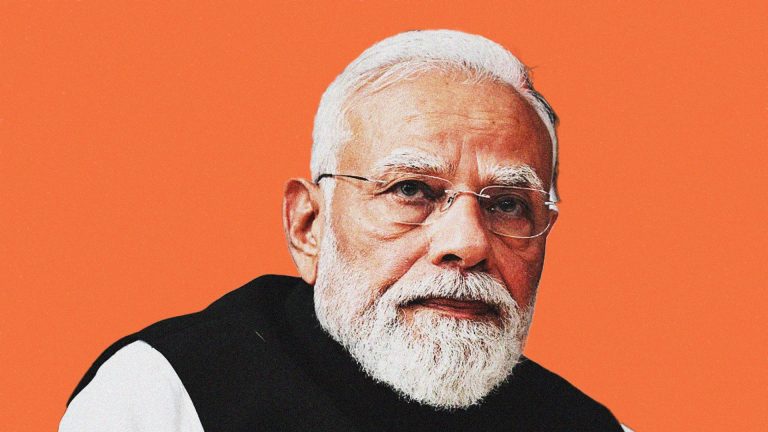
How Modi became king of India
Modi has been in power since 2014, and in all that time this has only been the third outbreak of mass protest. The first two were driven by specific identities and issues, led respectively by farmers and Muslim women protesting against citizenship legislation. But the cockroach movement was something different – an expression of anti-government sentiment that cut across all social and regional boundaries.
Social media may have amplified the message, but it did not create it. The anger had been building quietly in hostels, libraries, and households with diminishing savings long before it appeared online. Campaigns simply crystallised years of accumulated frustration by connecting young people who had previously thought they were suffering alone. Once those connections formed, the movement acquired critical momentum.
India’s younger generation proceeded to build a broad coalition around issues that transcend geography, language, and social background. Their ambition was never simply to win a political argument, but to restore confidence in institutions that hold the power to shape the future of millions.
The cockroaches drew their first blood when the education minister, Dharmendra Pradhan, was forced to resign. Concessions like that are very rare for Modi, who has cultivated an image of political strength and certainty.
Suggested Reading
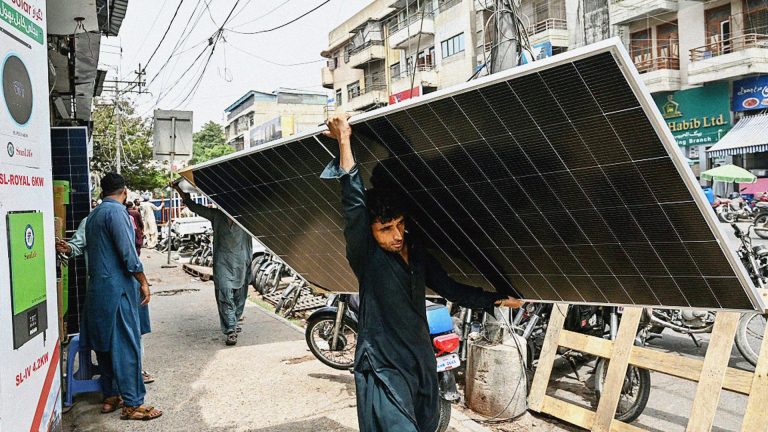
Pakistan’s solar miracle – how the hell did they do it?
The harder battle lies ahead. Strengthening the academic system, reforming recruitment processes, and expanding meaningful employment opportunities need more than resignations. They require political effort and institutional change.
But the cockroaches have achieved something profound, by reminding the country that democratic participation is not confined to election day. It breathes in public squares, classrooms, temples, courtrooms, and the conversations that unfold every evening at India’s ubiquitous tea stalls.
Looking back, I realise my great-grandmother’s words carried a lesson she herself may not have intended. She was talking about insects that refused to disappear. Today, the metaphor speaks instead to an idea that persistence can outlast ridicule, and resilience can outgrow contempt. In the world’s largest democracy, home to 1.5 billion people, that may prove to be the cockroaches’ greatest legacy.