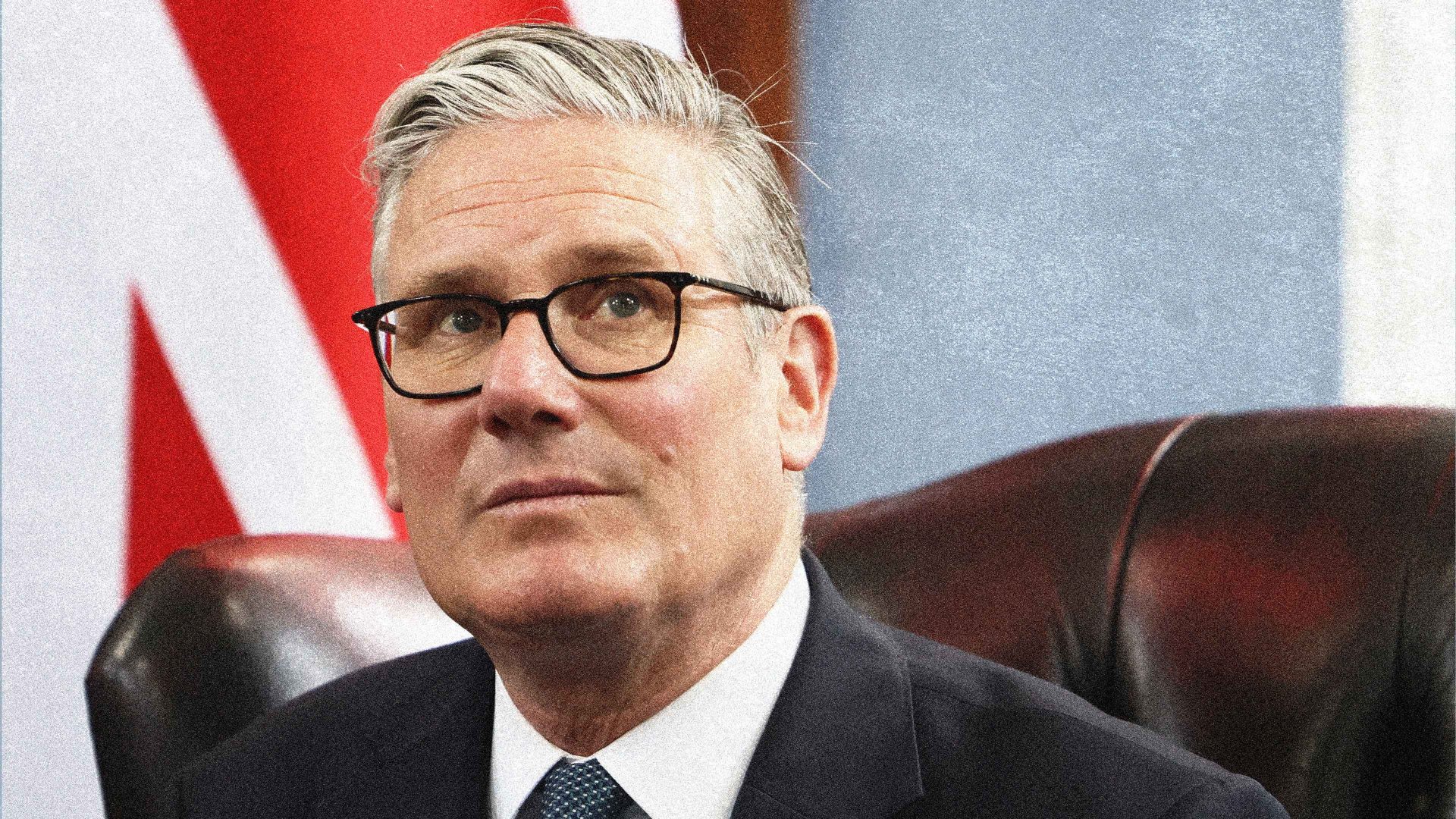
Towards the end of the last century, when I first started writing about politics, almost every article seemed to be about Tony Blair. Last week we were at it again.
The 5,700 words contained in his dissertation on the future of his party and country reverberated through multiple news cycles, partly because two would-be Labour prime ministers and the current one began writing their own weight in words to fire back at this former holder of the post.
Wes Streeting, true to his New Labour instincts, had the most rapid rebuttal with a newspaper column the next day. Andy Burnham gave his “considered response” of 1,500 words the following morning. Keir Starmer was next up later that day with an article almost 3,000 words long, before Blair himself came back with 1,000 more in a relatively succinct piece over the weekend.
And, in lots of ways, it was refreshing to see a debate about substantial ideas taking place in long written form rather than being conducted over the usual froth through rival TikTok videos. Perhaps Labour, having tried in recent weeks every other form of crisis, is now collectively embarking on the “essay” variety.
Suggested Reading

The Westminster media’s fatal addiction to crisis is breaking politics
For mere words to attract so much attention from today’s media, however, is an indication of the continuing fascination that surrounds Blair as a three-times election winner and – for good reasons or bad – other Labour figures from his generation from whom Starmer has unsuccessfully sometimes tried to keep his distance. He has, for instance, never met Blair in Downing Street since becoming PM, although they are said to have maintained contact through phone and emails.
Last week’s media coverage of all those essays was interrupted only by publication of an even longer report commissioned by this government from Alan Milburn, a very Blairite health secretary in the last one, on the escalating problem of a million young people who are missing out on education, training or work. But it is notable that Milburn has never even shaken hands with Starmer, even though a meeting between the two has apparently now been belatedly arranged.
And then there is Peter Mandelson, whose flame flickered over the history of New Labour before catching fire again under this one. If Starmer had trusted his instincts, he would never have appointed him as Britain’s ambassador in Washington and deeply regrets a decision which continues to cause damage this week with the publication of a 1000-page trove of documents. It ensures we will be reading yet more words about someone whose best days were spent filling the Millennium Dome with expensive things that, aside from some gigantic plastic models of pubic lice that still feature in my dreams, few of us can now remember.
On the other side of the ledger is Gordon Brown, another former PM and for so long the chancellor in the last Labour government. He is still venerated by the party and much of the media in ways that Blair is not, while his influence on this government spreads from the global economy, where he has been appointed as an official “envoy” and the abolition of the two-child benefit cap, to the idea – now being amplified by Burnham – about devolving more money and power to regional capitals.
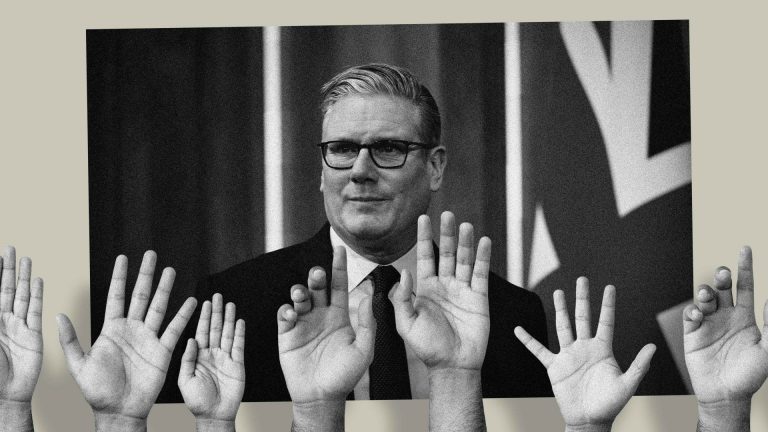

All of which makes it worth reflecting how, back when I was writing about the Labour government of 1997 to 2010, there was very little attention paid to the views of figures like Jim Callaghan, Denis Healey, Michael Foot or Tony Benn from the previous one that ended in 1979. Although Barbara Castle still caused a bit of trouble from time to time, Blair had effectively consigned them to the past, or “Old Labour”, as he put it. The handful of ministers like Margaret Beckett who managed to bridge both periods of office often seemed a little embarrassed for having been around for so long.
These days, however, any list of the government’s most sure-footed members of the cabinet would probably include Ed Miliband, Pat McFadden, Yvette Cooper and Douglas Alexander. All of them worked as advisers in the previous era and later cut their teeth there as ministers. The same is true of Burnham, who was an adviser, MP and cabinet minister in the last Labour government before heading off to become mayor of Manchester.
Blair insists this is not because the talent pool has dried up since he left. Nor does he believe the government’s “principal problem” is Starmer’s failure to match his own charisma and Downing Street’s difficulties in communicating a message as effectively as Alastair Campbell once did for him. Instead, he says that changing PM yet again will be “irrelevant” unless this government – any government – can come up with a coherent policy plan to address the “epochal changes” presented by the advent of Artificial Intelligence and a shifting geopolitical order in the world.
However, if his description of the shallowness and triviality afflicting today’s politics is fair, his detailed prescriptions are a lot more contestable – not least because they are not even particularly new.
Blair has always been a little starry-eyed about technology being an engine of social and economic progress. Thirty years ago, while advisers had brainstorming sessions about how to help citizens get “faxes on the beach”, he would get applause for including the words “information superhighway” several times in a speech, even though no one around him really understood what that meant.
Now this “highway” has become more known for the effluent that flows down it than any affluence it has brought to ordinary families, efforts by the European Union to impose tight regulations on American AI are neither necessarily as backward-looking nor as entirely pointless as Blair implies.
Similarly, his belief that the rise of China and India means Britain must cling as tightly as possible to the United States no matter what it does or whoever is in charge, is an unfortunate echo of the stance he took on the Iraq war, which did so much to tarnish his reputation a quarter of a century ago. When Donald Trump gambles with the defence of democracy in Ukraine, threatens to invade Greenland and embarks on an illegal war in Iran that threatens to crash the world economy, it really is not irrational to question whether the US is still a reliable ally, try to stay out of its wars and seek closer ties with Europe.
Suggested Reading
How to put the wind back in Britain’s sails
In the debate over big ideas last week, both Streeting and Burnham emphasised how a Labour government cannot be passive in the face of free market economics or global trends that have created huge wealth while contributing to all kinds of inequality over the past few decades. They argued this Labour government must always be part of the battle to make Britain fairer in ways that the previous one did not. Starmer made a similar point when he argued that events since Blair left Downing Street, including the global financial crash, meant the consensus with which New Labour had governed had been broken with too many people left feeling ignored or invisible.
But there was another part of his article which, I think, explains his reluctance to embrace the kind of big-picture vision so effortlessly articulated by Blair. In this era, constrained by fragile public finances, struggling public services and failing public trust Starmer says that “government is about acting on every major problem simultaneously, balancing them against each other, and trying to get to the best situation for Britain overall”.
The uncomfortable reality for us all is that there may be no simple, single new idea which can unite a nation or even a government in some great purpose. As this prime minister knows – and any successor will discover – it is hard to express the numbing complexity of this “subtle and profound crisis,” even when you have thousands of words.
Tom Baldwin is the author of Keir Starmer: The Biography