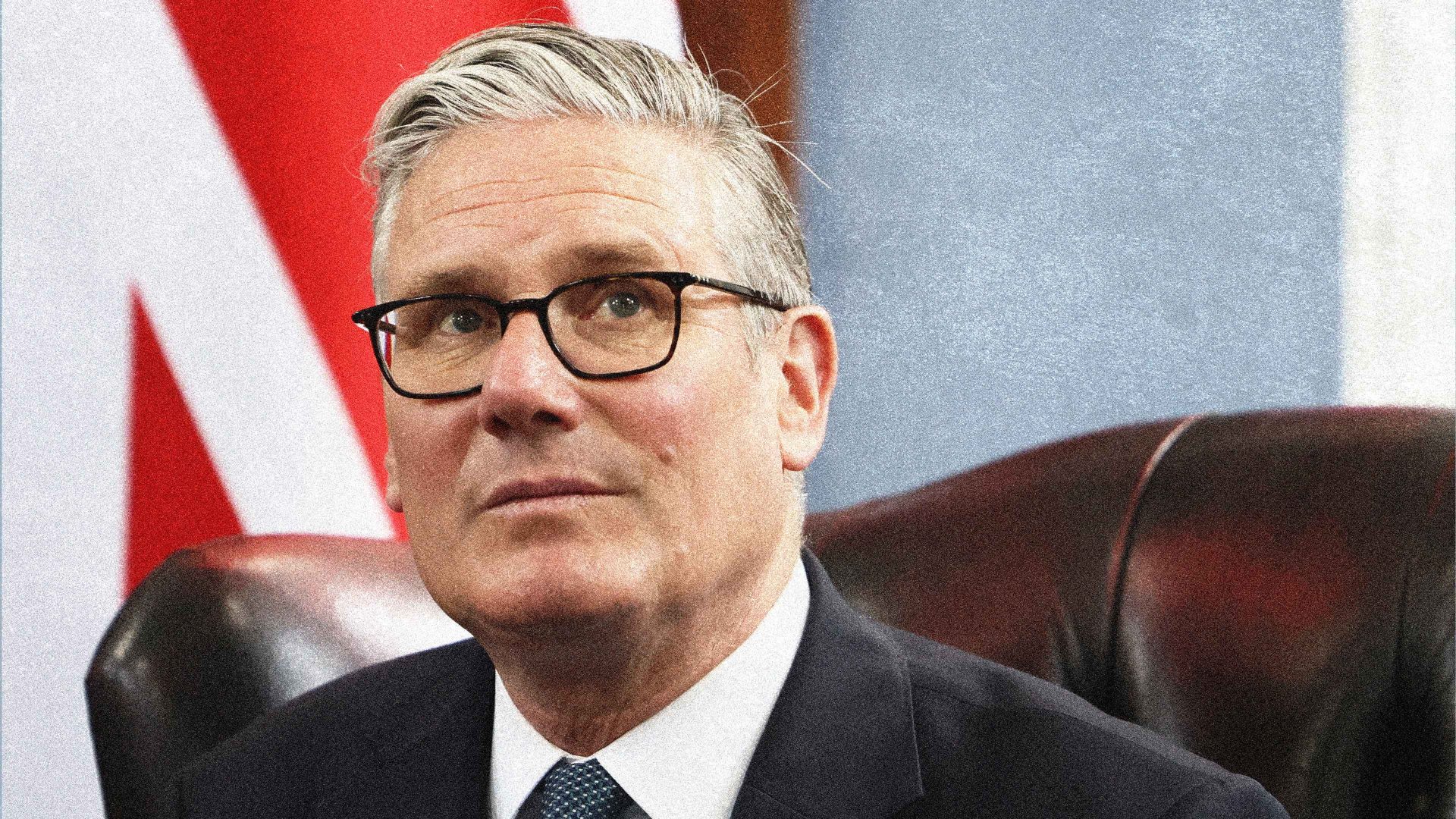
Who would you trust with your future? A grey-haired man in a dark suit and tie, looking seriously thoughtful as he sits, pen poised over an actual paper notebook, or a youthful-looking chap in running shorts, cut high enough to inflame an over-excitable media?
As they fight over Labour’s leadership, the visual contrast between the images that Sir Keir Starmer and Andy Burnham put before the electorate was stark.
“Strong and stable” proved a disastrous election slogan for Theresa May, a slogan that was graphically undermined during her conference speech as leader, when the stage set began falling apart and she began to lose her voice. Predictably, her premiership did not last much longer.
After 14 years of increasingly chaotic Conservative rule, the urge to get them out had become overwhelming. Starmer was the beneficiary of that desperation. It does not make him the ideal man for the job and, at times, it has seemed that he has been determined to demonstrate that he most certainly is not that person. However, less than two years since he moved into No 10, is ushering him to the door with another chorus of “Time for a change” the most sensible option?
As his rivals show their hands, that question is beginning to raise genuine concerns, for the world is in a period of turmoil and anything that risks adding to the disruption should only be done for very good reason. If there were a genuine statesman in the wings, someone who could step into Starmer’s role and immediately make Britons feel confident that their future was in safe hands, there should be no hesitation in going through the necessary upheaval to install them. Sadly, that does not seem to be the case.
There may end up being many more contenders for the somewhat poisoned chalice of prime minister but, so far, only Burnham and Wes Streeting have declared and the former is dependent on first winning the Makerfield by-election, which is by no means assured. For Nigel Farage and Reform, the battle for the constituency has taken on huge significance and they will be determined to love-bomb it into submission.
Suggested Reading

What Labour’s essay crisis is really about
If Reform win on June 18, Starmer and the country will have clear evidence that the problems are so deep that no leadership election could ever hope to solve them. Any potential challengers would probably melt away, deciding that it is not an opportune moment. And if Burnham does persuade the electorate of this former mining constituency that he is their future, then he is, according to fairly decisive polling, the only candidate who could uproot Starmer.
Whatever Streeting’s claims to success with the NHS, it now seems that he had some fundamental disagreements with his cabinet colleagues but chose to hang in there until the chance of running for the top job presented itself. Such behaviour, however logical, is not particularly endearing to colleagues nor a public desperate for politicians it can trust.
And now there are qualms over whether Burnham slots comfortably into that category. His views on Europe, for instance, have emerged as malleable, to put it politely. Starmer could hardly criticise anyone for changing their mind: an enthusiasm for U-turns has been one of the few consistencies in his administration so far. A lack of preparedness has been another and, considering how long Labour had been waiting to get back into office, it has been a genuine shock to many people that the new government seemed so incompetent in so many areas.
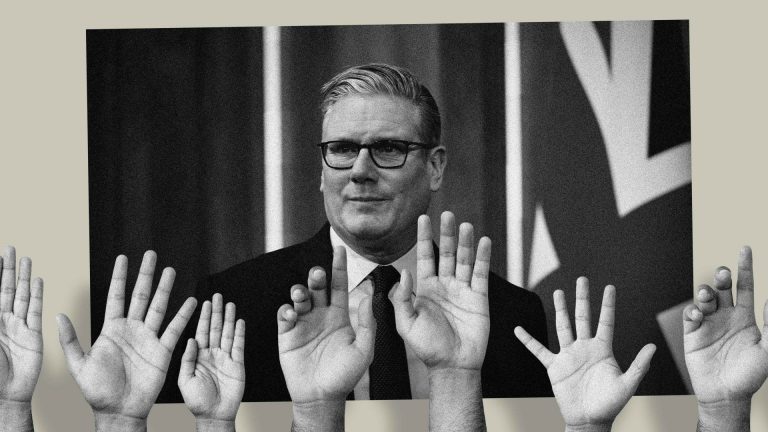

In a 3,000-word screed he penned, apparently from the comfort of a deep, green armchair, Starmer wrote: “On growth, defence, Europe, energy and opportunity, we do now need a bigger response than we anticipated in 2024.”
Really? In 2024 the Ukraine war was under way, the economy was in a dire state, Brexit was costing billions every year, youth unemployment was a blight and the welfare bill was massive. Admittedly, Donald Trump had yet to be elected for a second term in the White House, and Hamas had not launched its dastardly attack on innocent Israelis. But the UK’s problems were hardly disguised.
On overseas matters, Starmer has fared better than at home, perhaps because he listens to the deft advice of Jonathan Powell. On other issues, he seems less well guided, or completely deaf. The promised Defence Spending Plan is long overdue – irate defence chiefs will shortly mark the first anniversary of the Strategic Defence Review, which was supposed to shape it. Business generally has been hit with unexpected tax rises and a raft of new workers’ rights that it insists hold it back.
But there is one thing that business craves more than anything: stability. Increasingly the dissatisfaction with Starmer is tempered with the view that he might be the best bet, for now at least.