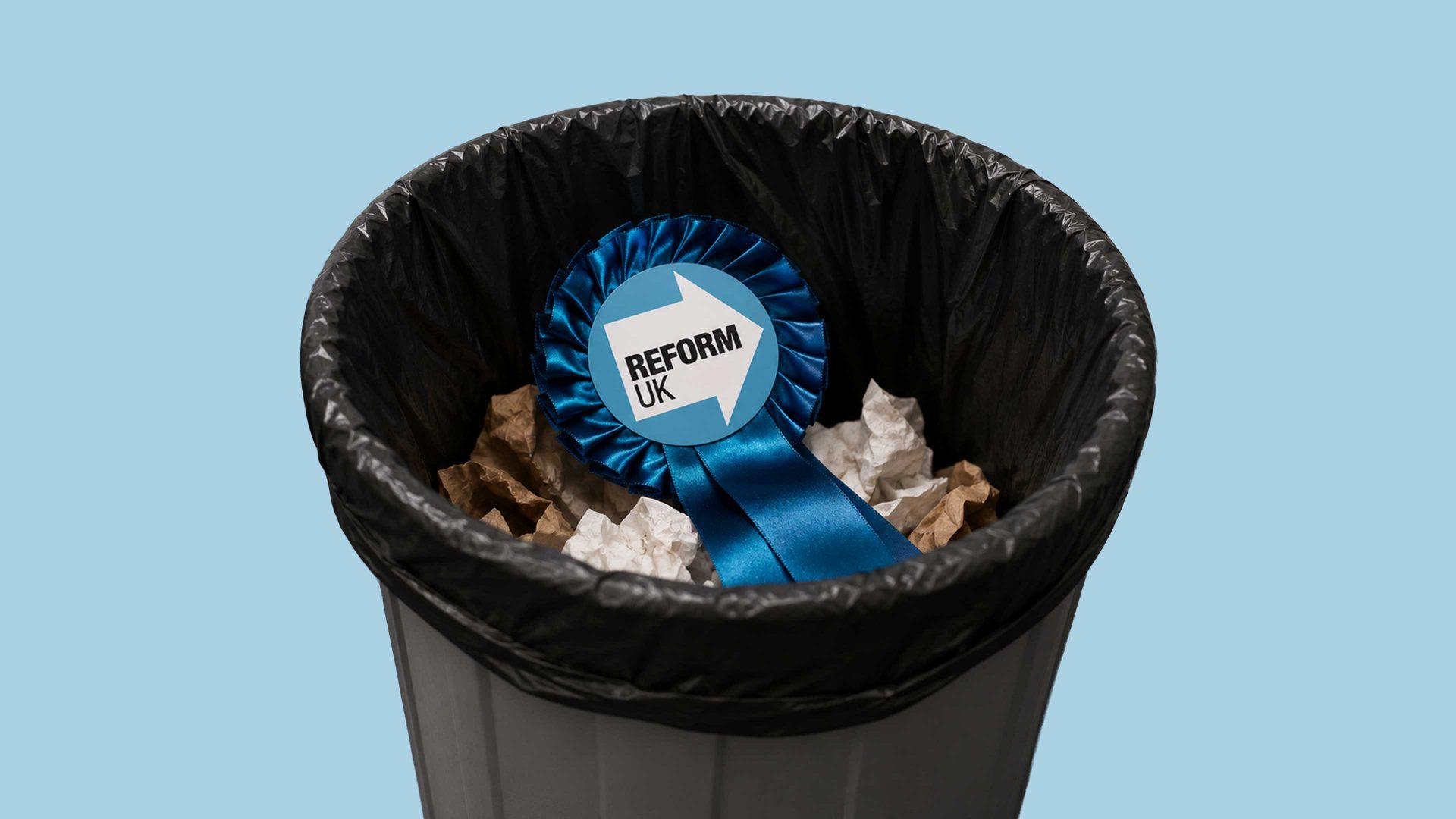
Between live coverage of reporters tripping over each other with excitement outside Downing Street and their breathless speculation about whatever might be happening inside, the rolling TV and radio news channels like to fill space with “talking heads”. Over the past couple of years, mine has sometimes been among them.
On one level, we should be glad that broadcasters provide – in contrast to much of the press and the entirety of social media – some balance, or at least variety, of views. And I’m not kidding myself that they ask me on these shows for any reason other than that my name appears on some ever-shrinking producers’ list of people who might vaguely defend the prime minister.
Indeed, there have been days when my phone has lit up a dozen times or more with requests for the kind of interview that would begin: “Now, for a different perspective on the latest drama and turmoil in Westminster, we’re joined by Keir Starmer’s biographer.”
But, too often, presenters’ faces take on an expression of puzzlement mixed with contempt if you seem reluctant to join in with their general jollity about whatever crisis they believe has engulfed the government. After a while, it all gets a bit pointless, and I’ve started to decline most of their offers on the grounds that they’re probably as bored of me as I am with some of them.
Then, a few days ago, I got an unusually formal invitation addressed to “Mr Baldwin” from an “executive producer at Times Radio” to talk to its breakfast show about a poll of readers that “has picked Sir Keir Starmer as their favoured candidate to continue to lead the Labour Party”. The note added that “there are some very interesting questions to ask about how much appetite there is for a leadership contest in the country.” I agreed to it because, I thought, at least this would be different to the usual “why is he clinging on/when will he go/who will replace him?” questions.
In the course of a seven-minute interview, however, this poll of Times readers was not even mentioned. Despite several emails to this executive producer, and multiple conversations with that newspaper’s political journalists in the days since, none of them have been able to tell me anything more or show whether it has been mentioned elsewhere in their coverage.


Before we go any further, I’m not pretending such a trivial episode is a great scandal or conspiracy. I neither think this digital radio spin-off from a centre right newspaper is awful, nor believe that its relatively small audience share gives it some outsized influence on public opinion. Almost certainly, this poll was one of those deeply unscientific online reader surveys where you click one of two boxes before getting an instant bar chart showing results (which I confess to finding perversely gratifying if it sometimes confirms me in the minority). And, of course, what counts as “news” – by definition – often changes between an interview being booked and broadcast.
Yet I struggle to understand why a “poll”, which was sufficiently counter-intuitive to get Times Radio producers excited a day earlier, was ignored, except for the reason that it appeared to contradict the prevailing narrative of the Times of everyone being desperate for Starmer to go. Sure, they can get someone like me to talk about the hair-trigger outrage in our political culture that is in danger of making Britain look like Italy in the 1980s, but it’s a very different matter to publish a survey suggesting so much coverage in that newspaper is at odds with its own readership.
And this story serves to illustrate a problem, not only with the nonsense excreted all the time by the likes of the Daily Mail or running through the open sewers of Twitter/X, but also in the more wholesome passageways of what was once called the “broadsheet” end of the media market.
Even the best journalists are sometimes at risk of what psychology calls “confirmation bias” and too many of them, having confidently opined Starmer was finished a few months ago, appear to have been selecting or interpreting facts ever since to make it more likely their original prediction comes true. There is also a lot of what might be termed “conformation bias” in which political writers and broadcasters dare not step too far away from the pack of what appears to be an almost collective set of conclusions.
This was apparent from the very start of this government when the Westminster Lobby’s herd stampeded to declare that what should have been a mid-rank middling story, about Starmer’s clumsy registration of expensive suits and glasses gifted to him in the last election, meant the public now saw him as no better than his most scandal-stained and law-breaking Tory predecessor. Most of those I talked to at the time would privately concede this was pretty grotesque false equivalence, but insist they were only reporting how this was “seen by voters”.
Suggested Reading

The Daily Mail’s dangerous obsession with Meghan
More recently, a few of them have been scratching their heads over why this PM who hasn’t crashed the economy or taken Britain into an illegal war is so hated – the most unpopular in history according to some polls – and considered “repellent” by voters, according to the BBC’s political editor. They all have their theories, some more valid than others, but very rarely do they recognise their own role in helping people form such perceptions.
None of this means Starmer should avoid the blame for mistakes he has made over the past two years, nor would I suggest he has managed to tell a coherent story and set a consistent direction for the change Labour is trying to bring to this country.
I have probably been guilty of multiple forms of bias when arguing on these pages and elsewhere that he would be a more accomplished prime minister than the one some commentators long ago predicted he would be. But he does, nonetheless, now have an increasingly solid record of delivery in some areas, which might prompt readers of this magazine to join those of the Times in wondering whether a fifth prime minister in five years will really make everything better.
Suggested Reading
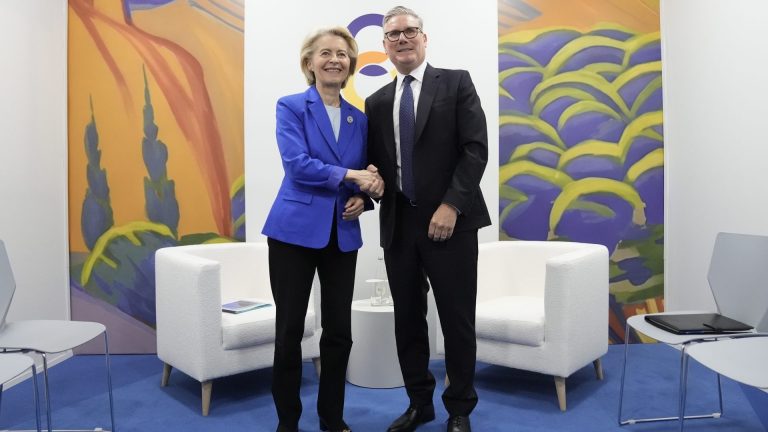

Why Starmer should, can and has no option but to move towards Europe
Anyhow, in my radio interview the other day, the presenter ended up getting a bit cross with me for suggesting that some journalists seem addicted to forcing a change of prime minister every year or so. “I know your point, Tom, that you don’t like the media,” he said, with some exasperation, before highlighting not only that I was once one of those Westminster journalists who got very excited about stories, but also how silly it is to blame the media for everything.
He was right on both counts. The first gave me sight of certain colleagues still there who would rub their hands with glee at the prospect of “having a bit of fun” with a political story that had real-world consequences. It’s why I am confident that not all of them are as serious as they seem when they go on TV.
It’s obviously true that bad journalism is only one problem in our democracy right now. But, in an era when everyone seems furious all the time about something, it seems fair to say that the media is a long way off being part of the solution.
Tom Baldwin is the author of Keir Starmer: The Biography