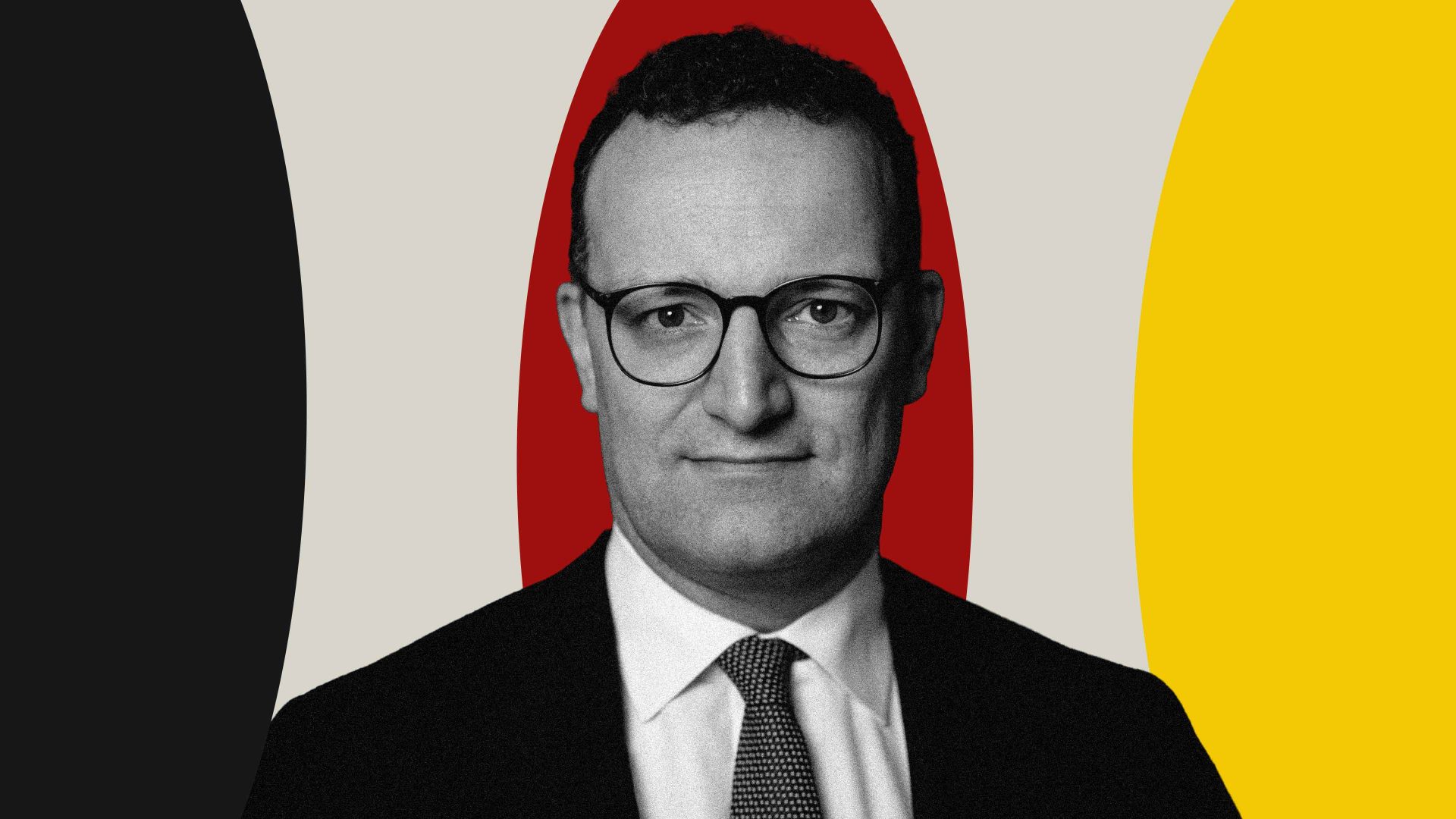
Just when Germany’s Christian Democrats thought they could finally enjoy their summer break, a political grenade detonated. The chancellor, Friedrich Merz, has forced his supposed ally Jens Spahn, the
CDU/CSU’s parliamentary leader, to resign.
For the uninitiated: Spahn is a party fixture and one of Berlin’s most relentless political animals. He is Roman Catholic, openly gay, conservative, and friends with Donald Trump’s hardline special envoy Richard Grenell.
He entered parliament at 22, steadily gained influence and even survived a pandemic procurement scandal worth around £5bn as health minister.
Powerful? Certainly. Popular? Not particularly. When he went for the CDU chairmanship after Angela Merkel, he lost badly. Still, the conservative wing nearly always had his back, grateful he’d been one of the few to question Merkel’s refugee policy out loud.
So when Merz took office, Spahn was rewarded by becoming the Fraktionsvorsitz. As party whip, however, he wasn’t the chancellor’s helpful servant. Instead, it was suspected, he cared more about himself than about the Kanzleramt, the parliamentary group and the coalition running smoothly.
Spahn’s favourite project (Spahn) turned out to be his downfall. Last week, via the tabloid Bild, he announced that “my husband has become a dad, and so have I. Georg is our whole world”.
Suggested Reading


Angela Merkel – Germany’s back seat driver
The issue is not that two men have had a child. True, not everyone in Germany will applaud, but the country has long become used to less conventional family arrangements. The issue is how.
Spahn and his husband, comms manager Daniel Funke, used a surrogate mother in the US, which usually costs between £110,000 and £160,000.
That could have been merely a private matter, except that in February – well into the pregnancy – Spahn had voted with his party to reaffirm Germany’s total ban on surrogacy, including altruistic arrangements of the sort that have been legal in Britain since 1985.
At no point did he declare a conflict between the CDU’s convictions and his personal plans. He simply voted against a procedure that he was already using abroad.
After the news broke, he admitted he had been “wrestling” with the issue for a long time. A pity that he conducted that wrestling match entirely in private.
The striking bit is that a) the 46-year-old thought he could get away with his double standards, and that
b) Friedrich Merz at first didn’t foresee his party’s backlash.
And the CDU went: boom!
Still Spahn seemed to consider himself untouchable. On Friday, he insisted he would discuss the matter with his parliamentary colleagues “in September”.
Suggested Reading
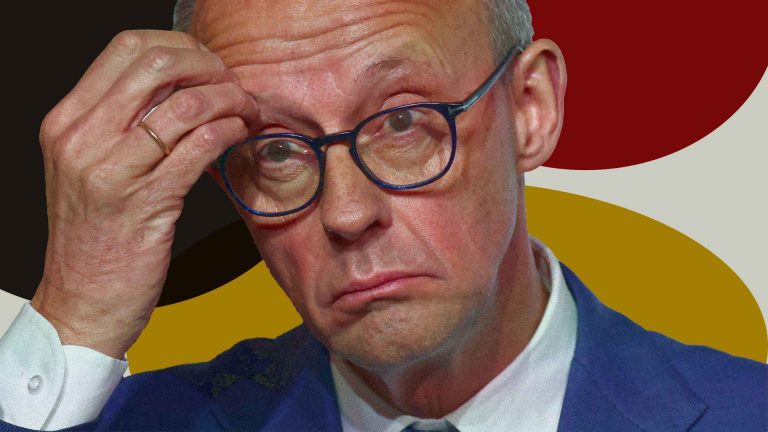
Does Friedrich Merz have any idea what he’s doing?
But on Saturday, Merz – finally made aware of feelings within his party – made the decision for him.
Spahn, like everyone else, is entitled to a mistake. But not the same one twice. And he is a repeat offender when it comes to symbolism.
While hundreds of thousands feared for their livelihoods during the pandemic, he demonstrated his solidarity by buying a villa in Berlin for €4m.
Evidently, he learned nothing from it: his resignation letter contains no regret. None for misleading the public and his party. None for endorsing a law he then sidestepped. None for the damage done to public trust, in an election year.
That said, some criticism has been ugly – homophobic, merciless, entirely last century. Some even spoke about the child in ways no child deserves.
But this is not a scandal because Spahn is a gay father. It is a textbook case of “rules are for everyone else” – provided you can foot the bill.