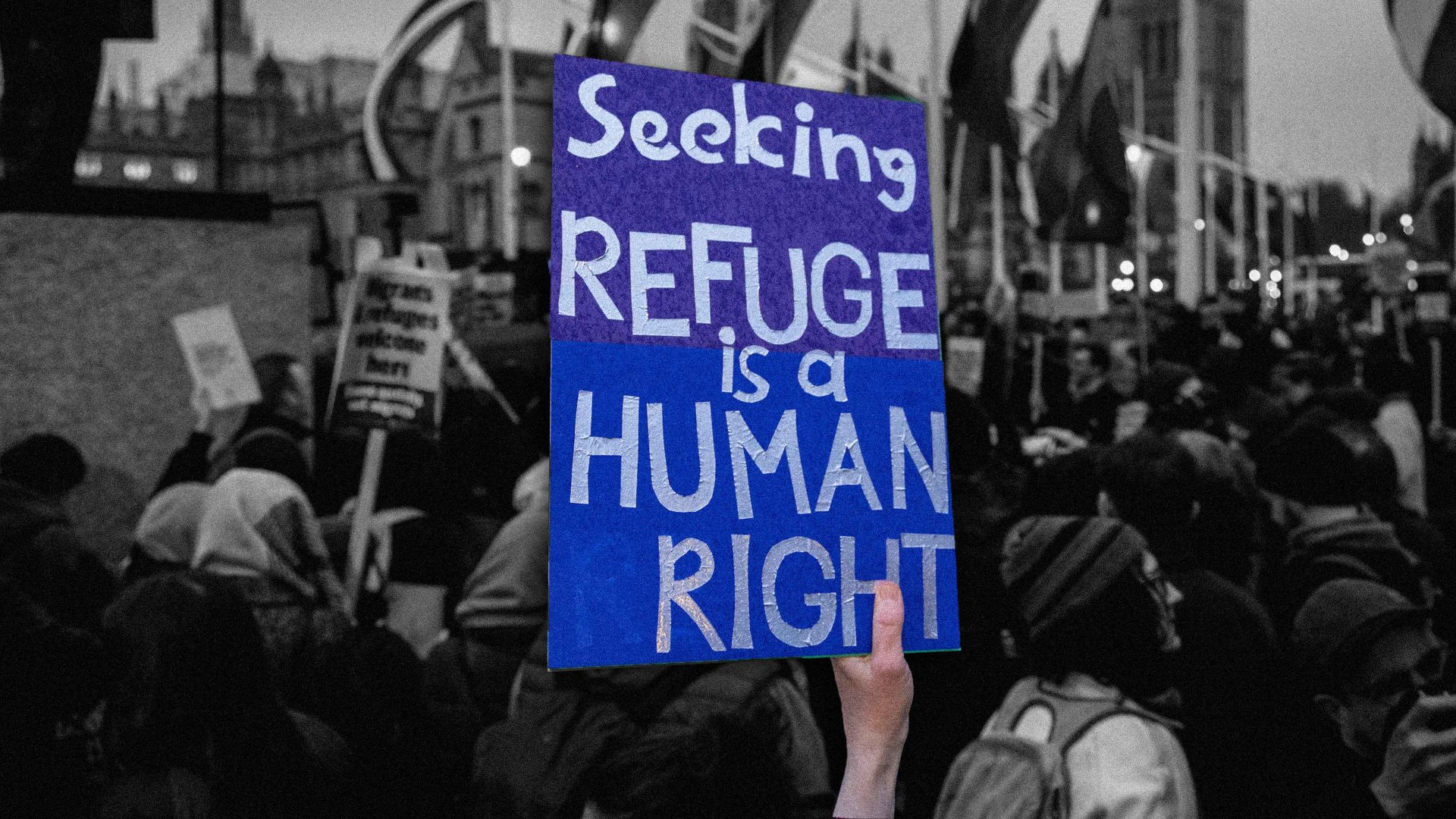
Every year, tens of thousands of desperate people apply for political asylum in the UK. And every year, the number of people whose applications are refused goes up.
What happens to those people? My German Jewish grandmother, Ilse Cohn, would have been able to tell you – if she were still alive. But after she was refused a visa – her daughter, my mother, was allowed in – she had no choice but to stay in Nazi Germany.
On November 21, 1941, she was arrested by the Gestapo in her hometown of Breslau (now Wrocław in Poland), deported to Lithuania and shot by a Nazi execution squad.
The top four countries from which today’s applicants come are Pakistan, Afghanistan, Iran and Eritrea. Every time I read about an asylum seeker having their application rejected, I think of my grandmother.
In 1939, when my grandmother applied for asylum, the only female applicants who were accepted were those who could work either as nurses or domestic servants. My grandmother was 41. “Too old”, said the Home Office. And so her fate was sealed.
As were the fates of hundreds of thousands of other Jewish asylum seekers at that time. The UK likes to boast of its “generosity” in allowing in 70,000-80,000 refugees in the years before the second world war. About 10 times as many had their visa applications rejected.
(Both my parents were among the lucky ones, and in 1989, on the 50th anniversary of their arrival in the UK, they threw a huge party, as a way of saying “thank you” to the country where they had made their home.)
Suggested Reading
How Britain blundered in the first refugee crisis – 340 years ago
While I was researching my family history, I came across the SS commander who ordered the murder of my grandmother, and that of 137,000 other people, in the space of six months in 1941. He turns out to have been an otherwise unremarkable man by the name of Karl Jäger, a former mechanical instrument maker. He survived the war and lived undisturbed for a full decade after it ended. Eventually, justice caught up with him and he was arrested in 1959.
He took his own life in his prison cell while awaiting trial, protesting to the end that he was an innocent man. In my book, I call him “just an ordinary, unexceptional Nazi mass murderer. A walking cliche. Both banal and evil.”
Suggested Reading
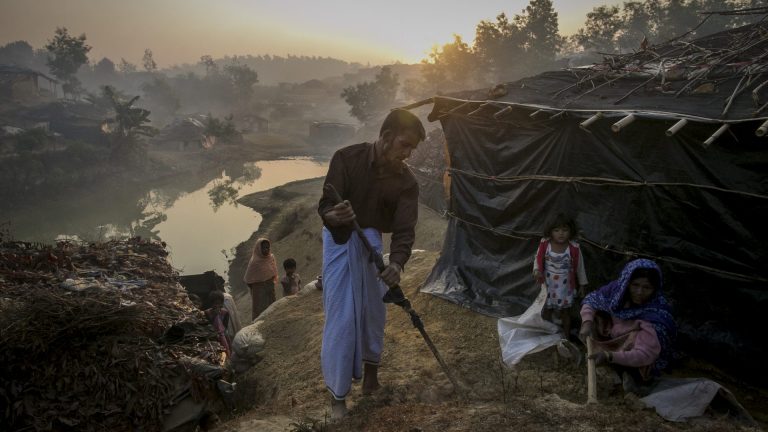
School’s out for Rohingya child refugees
I thought of Colonel Jäger when I read of the trial that opened in Damascus of Atef Najib, a cousin of the former Syrian president Bashar al-Assad. Najib was Assad’s head of security in the southern province of Daraa, where Syria’s uprising first erupted in 2011, and he is now charged with having ordered the brutal suppression of the Daraa protests that led to more than a decade of civil war.
No one would argue that every single asylum application must automatically be granted. But in a world in which compassion is still considered a virtue – at least in theory – is it too much to ask that those of us who live in peace and security should manage to come up with a system that offers sanctuary to those who are fleeing for their lives? I hope the new prime minister, Andy Burnham, will be able to confront that question.
We rarely hear what happens to those we reject: the Afghans forced to live in fear of the Taliban, or the Iranians who so bravely rose up against the regime. Perhaps if we knew as much about their fates as I do about my grandmother’s, we would at least be less tempted to repeat the mistakes of the past.
And The Cello Came Too, by Robin Lustig, is published by Marble Hill Publishers