For creatures of habit, the European Union must be a source of endless comfort. Ever since Maggie Thatcher’s famous rebate, there’s been squabbling about the Brussels budget, with the Common Agricultural Policy (CAP) being the biggest beef.
The BBQ (British budget question) left along with Brexit. The row over the MFF, the Multiannual Financial Framework that decides a ceiling for the EU budget and in what areas it should be spent, did not. It covers a period of seven years, and the fun part is that all 27 member states have to agree unanimously on who will pick up the tab. What could possibly go wrong?
With the 2028-34 MFF now on the table, the clock is ticking. The French presidential election is looming, and there are fears that with nationalist Marine Le Pen an agreement on “how to spend it” will come at a political price that other member states are unwilling to pay.
Her verdict on the eve of last week’s EU summit? Signing off on the budget before the présidentielles would be a “democratic scandal”. Le Pen’s demand is to put negotiations on ice until after elections in France, Italy, Poland and Spain.
Brussels, meanwhile, still hopes to hammer out a deal by the end of this year. That looks increasingly like a position of unfounded optimism. As was the European Commission’s budget draft of nearly €2tn (£1.66tn), up from €1.2tn for 2021-27. It included the proposal “that provision be made for an increase in staffing of 2,500 posts under the heading ‘administrative expenditure’ during the first three years of the new long-term budget.”
Nigel Farage couldn’t make this up.
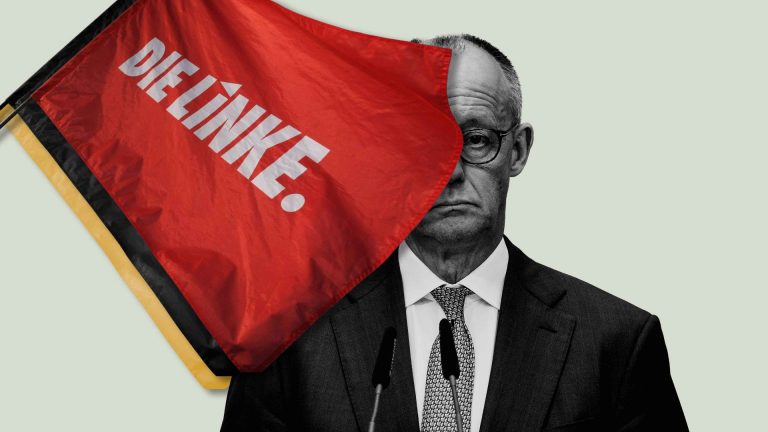
For still largely Europhile Germany, which stumps up more than a fifth of the national contributions, that could mean an increase from paying €40bn to nearly €60bn annually. It is a non-starter, not only because of the dire economic situation.
Chancellor Friedrich Merz and the frugal camp from Austria, the Netherlands, Finland, Denmark and Sweden have instead demanded that “hundreds of billions” be cut from the EU proposal. Even so, the Irish EU presidency’s suggested compromise carries a price tag of €1.8tn over seven years.
While Italy, Romania, Poland, Greece and the Baltic states are warning against lowering the draft budget further, the frugals are crying daylight robbery – and accusing the Irish of putting the axe in precisely the wrong places.
The pots for agriculture and regional aid, traditionally more than half the budget, would emerge virtually unscathed. Competitiveness, foreign policy and border protection, meanwhile, would take the hit. Precisely the strategic areas where, in Merz’s view, Europe needs to take greater responsibility.
Suggested Reading

Pornstars, spies and Putin fanboys – meet the AfD
France, on the other hand, with its finances under considerable strain, is a net contributor but also the largest beneficiary of the CAP by far. The current government favours a pre-Christmas deal. Because Le Pen, should she win, would be in no mood for a bigger bill. Her solution? Ditch programmes she considers to be outside the EU’s remit – including diplomacy and development policy – and put French farmers first.
For Merz and fellow frugal leaders, this is not just a fight in Brussels, but domestic politics. Rising contributions could leave them open to attack, as they are all wrestling with strained national budgets.
The 2,500 extra Eurocrats are now off the table, it seems, but Merz still needs a deal he can sell at home in Germany. For December’s two-day summit, he quipped, delegates might want to “pack a few more shirts than usual”. Translation: don’t bother booking the return flight until we sort this out.