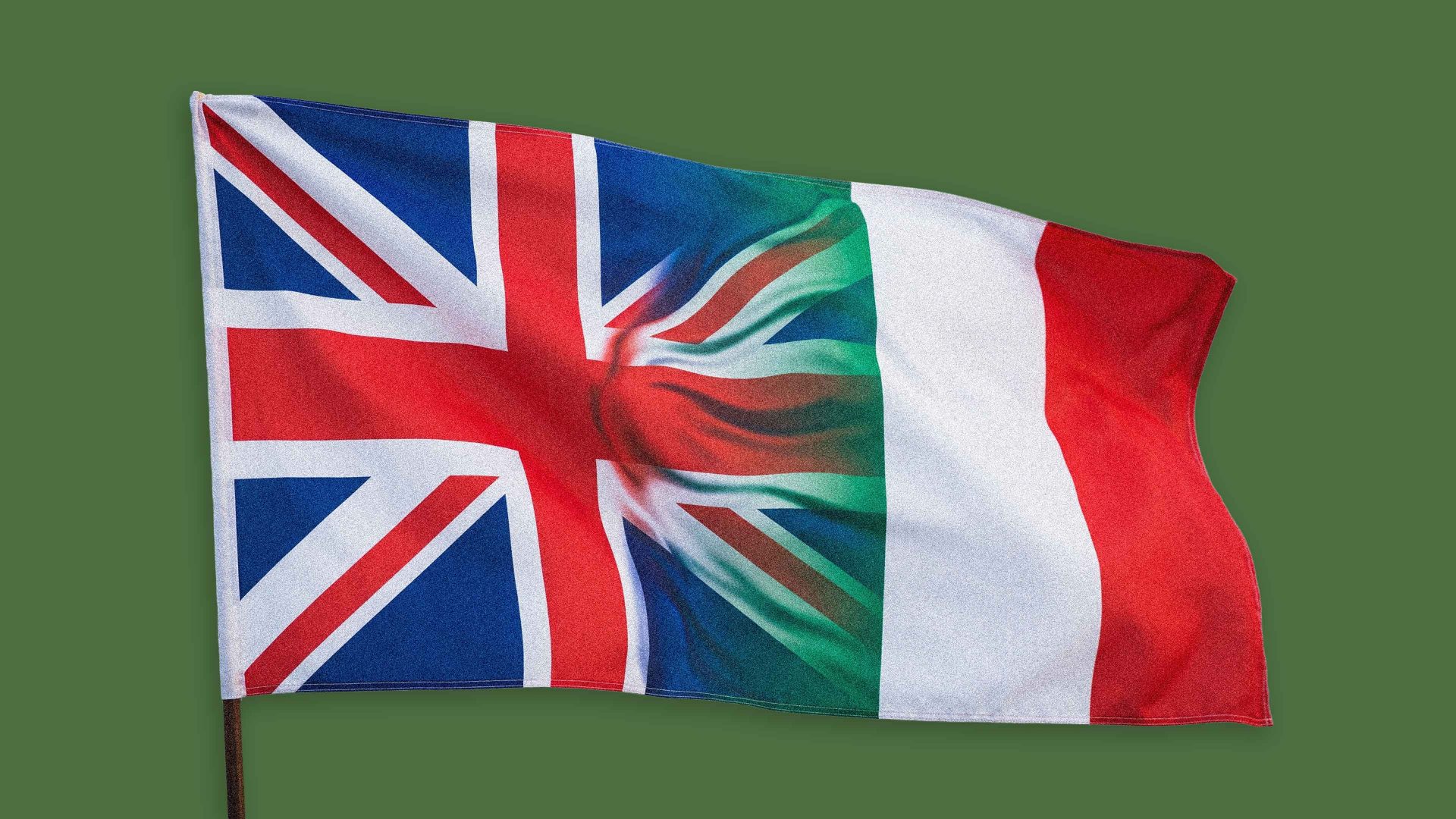

Two nations, same illness, opposite prescriptions. While the UK is making it easier for employees to claim sick leave, Berlin wants to make it harder. And despite the real drama – Germany haemorrhaging industrial jobs by the hundred thousand – this plan is setting the country ablaze.
Some background: the chancellor, Friedrich Merz – who rarely misses an opportunity to remind Germans that they aren’t working hard enough – has long taken issue with the national average of 14.8 sick days a year per employee: nearly three working weeks.
Data from the Organisation for Economic Cooperation and Development for 2022 even put Germany top of the sick-leave chart with 24.9 registered sick days (including days of illness at weekends), ahead of the Czech Republic, Norway and Luxembourg. Britain managed just 5.7 days, Turkey 3.2. In addition, sick pay cost German businesses an estimated €82bn in 2024. And statistically, Monday is the favourite day to fall ill. A clear case of Germans abusing the sicknote system? Not quite.
Suggested Reading

Germany’s new national obsession: Checking if grandad was a Nazi
Germany’s high total includes long-term illness, while the phone-in sick note – a pandemic-era convenience now blamed for encouraging skiving and soon to disappear – accounts for only around 1% of cases. And the Monday effect, experts suggest, can be partly explained by weekends getting folded into the Monday tally.
While lagging behind in almost every other respect, Germany has implemented an electronic reporting system that includes weekends when counting sick days. Most European countries don’t do this, which is why any comparative analysis deserves caution: the OECD draws on different national methodologies and definitions.
And yet, undeterred, the coalition announced that employees should soon produce a doctor’s note “on day one” of illness.
Instant backlash! Sick people should drag themselves to a doctor’s surgery while ill? Fill waiting rooms with actual patients? Have they lost their minds?
Within days, ministers were busily rephrasing their own proposal. The note, they clarified, would not have to be issued on day one, but for day one. Meaning doctors should backdate it (which opens up a whole new set of problems). And, actually, let’s just leave it to the business owners to decide.
The irony is that Merz appeared to believe that Germany’s current law – requiring a sicknote only from the fourth day – dates from the pandemic. It doesn’t. It’s been there since 1994, always allowing employers to demand a certificate from the first day if they wish. Most only do so, however, when they suspect someone is pulling a sickie.
Suggested Reading
Is Thomas Tuchel the German that England always needed?
Forcing people to see a doctor immediately may also backfire: someone who would have stayed home for two days with a cold could now leave his doctor with a week’s sick note.
Which is why labour-market experts, also glancing at UK figures, think the debate entirely misses the point. To reduce sick leave, the evidence suggests that the most effective method is to pay people less when they’re off – with the obvious downside that infectious employees show up, turning the office into a petri dish.
Here’s the bottom line: Germany has one of Europe’s most generous systems. Employees receive full pay for up to six weeks (for civil servants it’s unlimited).
The CDU actually wanted to introduce Karenztage, “waiting days”, as they have in France, Portugal and Spain, with reduced or no pay for a day or two of illness. The SPD blocked it, and now, the country is arguing over a reform that will have no (positive) effect.
In the end, Germany’s great sicknote revolution will amount to: just leave things as they are.