
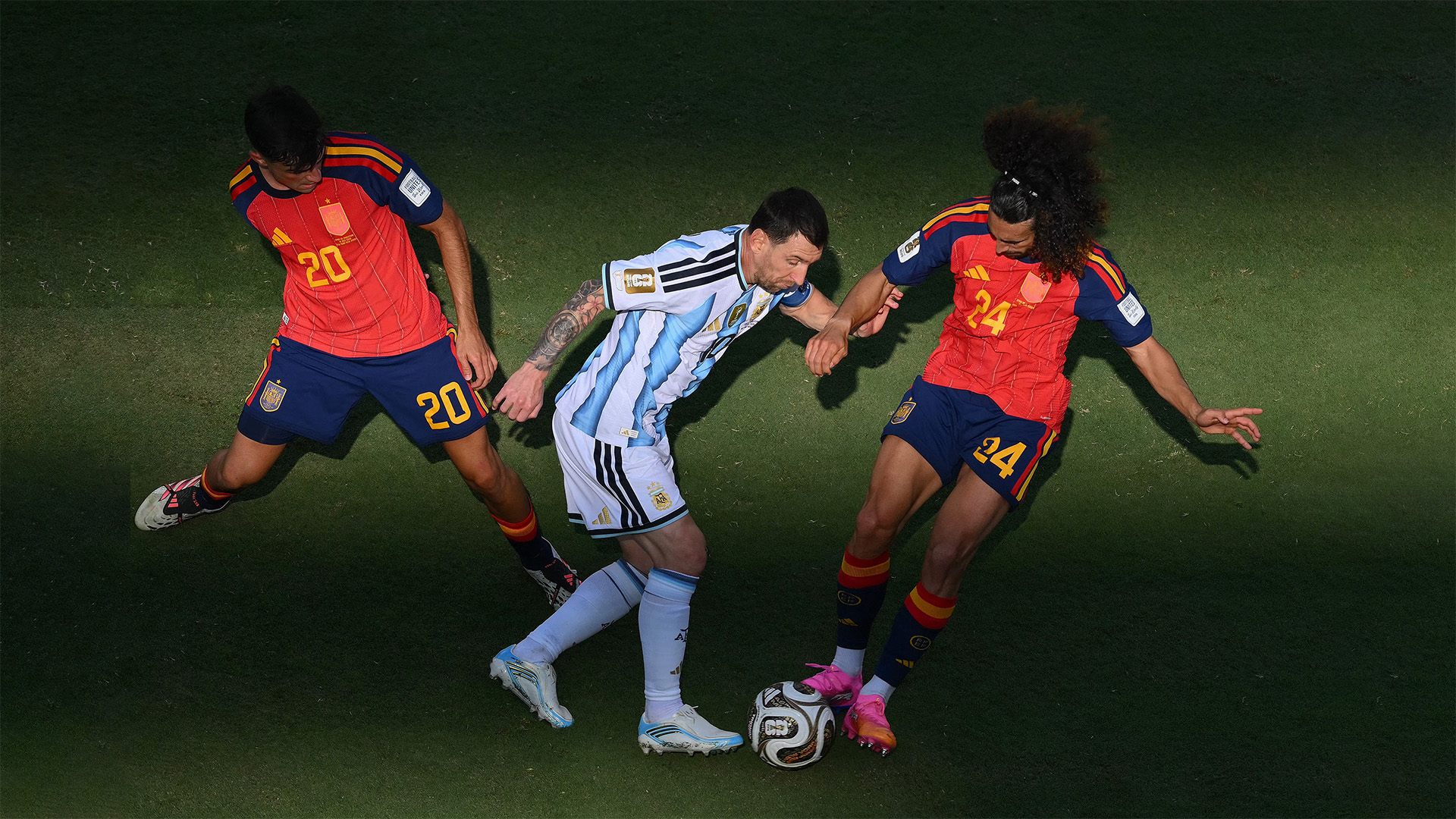
Well, that was all pretty ghastly, wasn’t it? And we wouldn’t have missed it for the world.
The World Cup, I mean. No matter what nation you were following – and there were 48 of them to choose from – to take part as a spectator was a decision to help yourself to considerable emotional pain.
On normal sporting occasions, the television presenters can’t wait to tell you how much fun you’re having: the Olympics, Wimbledon, a Lord’s Test match: isn’t this great and aren’t you lucky to be watching?
But the presenters at the World Cup make no bones about it: this is hard and bitter agony for us all. Even victory is painful, bringing only temporary relief and the certainty of greater agonies a few days later. Buckle up: hide behind the sofa: watch through interlaced fingers: prepare yourself for a powerful and deeply unpleasant emotional experience. That, after all, is why we’re here.
My father was an emotional spendthrift and he loved opera, a taste he never passed on to me. Not so my sister, who went with him to La Bohème and told me that his first tears fell during the overture. “Nothing sad’s happened yet,” she whispered to him.
Between sobs, he replied: “But it’s going to!”
Writing these words has filled my head with the music: when we were teenagers, my sister listened to the whole damn thing every day. Why didn’t Puccini give us a happy ending? Why doesn’t Mimi stop coughing? Why doesn’t the doctor make her better? Why doesn’t she say: “You know, I’m feeling great – let’s all go out for a drink?”
Do I sound a touch superior here? Looking down in a patronising way at the foibles of lesser mortals? Let me dispel that impression at once. I’ve acquired the habit of reading Shakespeare plays like novels, something I recommend to everyone. I was reading Hamlet on the train when I was overwhelmed by it all.
I had to stare out of the window for a fair old time to recover. It was Ophelia of course: poor mad Ophelia, whose gloriously enigmatic remark – “They say the owl was a baker’s daughter” – almost slew me. I could have been reading James Bond or World Soccer: instead I chose tragedy.
Just as well it wasn’t Romeo and Juliet, I suppose. Is this the world’s most famous play? And it’s so nearly a comedy: Romeo, disguised and gate-crashing a party, falling in love with the wrong girl, parental dismay, mad Mercutio: and that glorious moment when Romeo first sees Juliet: “O, she doth teach the torches to burn bright!”

The story was (sort of) retold in the film Shakespeare in Love: you’ll probably remember the end of the play within the film: the long silence of the audience, followed by a single tentative clap, and then the thunderstorm of an audience united in wonder.
And it might so easily have turned out all right: if only Friar John had got the message to Romeo, if only Romeo had never bought the potion from the apothecary, if only he had delayed taking it… but it didn’t, and the story of the star-crossed lovers has entranced the entire world.
I’ve never really been in the mood for the genre of film called weepies. The Rotten Tomatoes website, sounding rather like the presenters at the World Cup, says: “For catharsis and rejuvenation you’ll have to reach for a sad movie (along with plenty of weapon-grade tissues).”
Brief Encounter, Titanic, It’s a Wonderful Life, Stella Dallas, Brokeback Mountain: we spend our lives hoping to avoid such matters as the death of our best beloved, and yet we finance an industry that supplies a million reasons to weep.
Confession: I’ve never been able to read Thomas Hardy. Never got close. I’ve heard about the desperate sadness of his plots, like the lost letter that, if found, would have prevented a world of sorrow and disaster. My loss, no doubt, revealing my many inadequacies: because for many people, these are the best novels of all.
I am a big fan of Anthony Powell’s 12-volume novel A Dance to the Music of Time. The long sequence exploits coincidence, often to brilliant comic effect. In the eighth novel, The Soldier’s Art, the narrator, Nick Jenkins, now in the army, is stuck in Northern Ireland, futile, despairing and miles from the front line.
It’s only when he goes home for a few days of blessed leave that he encounters the real horrors of war: and does so by way of a brilliantly contrived coincidence of death. Over many volumes, you learn to like and even love the characters you encounter: then the chances of war and the contrivances of art take them away and fill the reader with sadness. And when the moment’s right I’ll read the entire sequence again.
Psychologists tell us that we put ourselves through all this as a kind of emotional gym: working out these strong emotions without real-world consequences. Sport supplies much the same sort of thing: it matters because it doesn’t matter. The World Cup is important because it has no importance whatsoever: we can let our emotions run riot, but nobody dies.
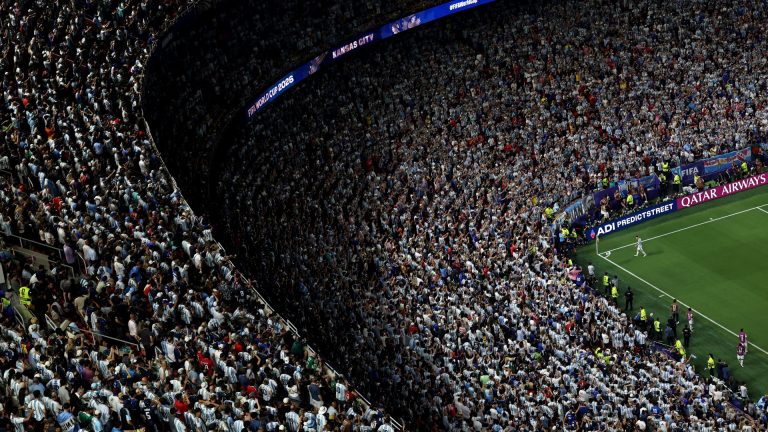
In football, and to a lesser extent in films and even in plays, there’s also an element of social connection. The relief of England’s fine performance against Mexico and the disappointment of England’s retreat against Argentina are all the more vivid for being shared.
I had an emergency dental appointment last week, and inevitably discussed the defeat with receptionist when I arrived. It made a trying occasion a fraction easier.
All the same – is it really for a workout in the emotional gym that I watch England and read Shakespeare? It all sounds really rather silly in such terms.
I’m more comfortable with Dr Johnson. He suggested a pair of reasons for being on the receiving end of art, and perhaps they’re equally valid for watching sport. Art and sport teach us how better to enjoy life, or how better to endure it.
 Most popular


My truly deranged encounter with Trump apologist Kellyanne Conway

Suella Braverman’s book has sold only 106 copies. This is why

The moral depravity of Robert Jenrick

Hungary’s lesson to the world: Populism isn’t permanent