
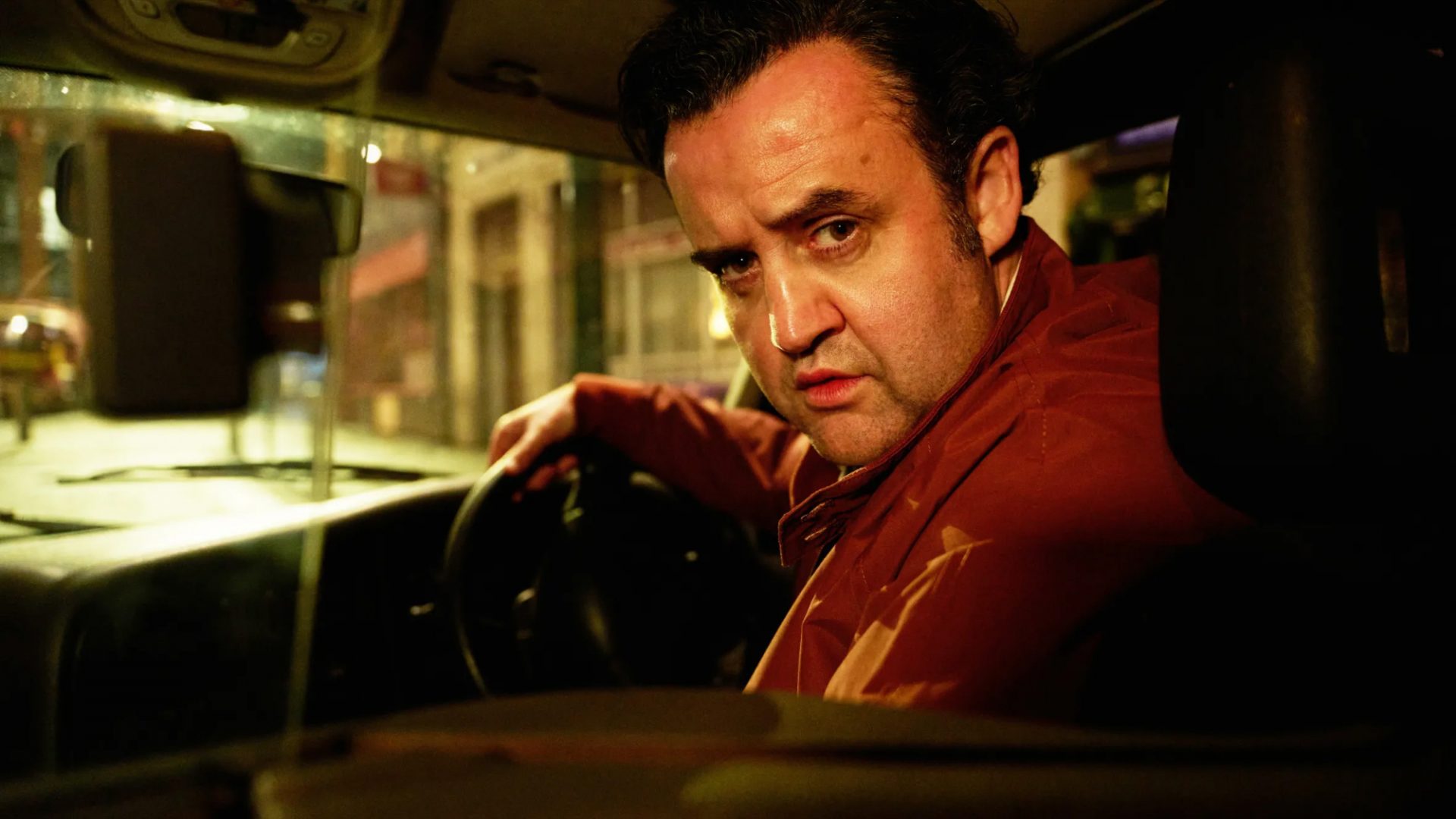
John Worboys is up for parole next month. The former black-cab driver, who was convicted of sex attacks on 16 women and is almost certainly responsible for 89 more, has been in jail since 2009. The hearing might have been watched by members of the public – the chair of the Parole Board ruled in January that they could be admitted – but Worboys, ever resourceful, has evaded that by successfully applying for a “paper hearing” in private.
Believe Me, ITV’s drama about Worboys, is therefore exquisitely timed. He was due to be released in 2019, but kept in jail after his victims challenged the decision in the High Court.
Worboys is now 68. He has repeatedly lied about his crimes. How much of a risk does he still pose to women? Even after watching a drama as restrained as this – and the writer, Jeff Pope, has done a fine job of preserving the victims’ dignity in what could, in the wrong hands, have been a sadistic and prurient watch – few women will conclude that Worboys should go free.
In some ways, he was very careful. He didn’t use the date rape drug Rohypnol, which is detectable in urine for up to five days after a dose, preferring a mixture of sedatives like Nytol and the prescription drug temazepam. He used condoms, and often there was no trace of his DNA on his victims.
Yet he also worked in plain sight. He drove the same licensed black cab. His modus operandi was virtually identical: pick up a young woman who had already been drinking, claim he had just won thousands at a casino, and bring out a glass of drugged champagne that he insisted she drink to help him celebrate. Yet it took six years, and 14 reports to the police, for him to be charged.
Indeed, it was the fact Worboys drove a black cab that enabled him to get away with it for so long. Police could not believe that an attacker would make himself so easy to trace. It helped, of course, that the women were out by themselves at night, had drunk alcohol and accepted more of it from Worboys, all things liable to discredit them in the eyes of the Met.
Suggested Reading


Secret Service is today’s spy thriller wrapped in yesterday’s politics
Pope shows, subtly, how the women became more vulnerable because they reluctantly agreed to demands to drink more, out of embarrassment and politeness. The police and their friends then suggest they were partly to blame when Worboys assaulted them.
In the first episode, Sarah (Aimee-Ffion Edwards) goes out clubbing with male friends for the first time after the birth of her son. They insist she have more shots and take coke. Later, after the attack, her ex-boyfriend berates her for putting her young son’s health at risk because she is still breastfeeding. “How come you stayed out so late that night, Sarah?” He cannot bring himself to believe she has been raped.
One policeman advises her to stay calm during an interview. Another then declares her too emotionless to be credible. It wasn’t called gaslighting 20 years ago, but it would be now. Edwards, who plays Shirley Dander in Slow Horses, is excellent in the role, trying to hide her distress from her son and to understand why her experience counts for so little.
For years, the police decided the evidence of Worboys’ victims was not sufficiently credible. We watch as the women endure painful medical examinations, unsympathetic police staff and the dead hand of “procedure”, all for Worboys to carry on assaulting women.
Officers ask another victim, Laila, what kind of a girl wears red nail varnish. They then feed Worboys a possible defence by suggesting Laila offered to have sex with him to avoid paying her fare. These scenes are based directly on the experiences of the 19-year-old student whom Worboys assaulted in 2007. Carrie Symonds (now Johnson), who was drugged by him in the same year and supported the judicial review, also consulted for the series.
Daniel Mays plays Worboys cleverly, capturing the gorblimey London cabbie persona whom we may not really like but tend to trust, as well as the jovial neediness that persuaded women to accept drinks from him.
When will Worboys have served his time? If he is no longer a threat to women, as some psychologists say, is 17 years long enough? The French criminal justice system is unlikely to have to deal with the same dilemma in the case of Dominique Pelicot, another plausible individual who administered sedatives in order to rape. He will be 94 if he survives to the end of his sentence.
That case, where there was (at least) one victim and dozens of perpetrators, was met with justified horror. Worboys’ crimes are the other way around and, despite the number of victims, have not attracted the same degree of visceral outrage.
We should ask ourselves why – and hope that Believe Me makes it impossible for another serial sex attacker to get away with it for as long as Worboys did.
Believe Me is on ITVX
Ros Taylor hosts the More Jam Tomorrow and Oh God, What Now? podcasts