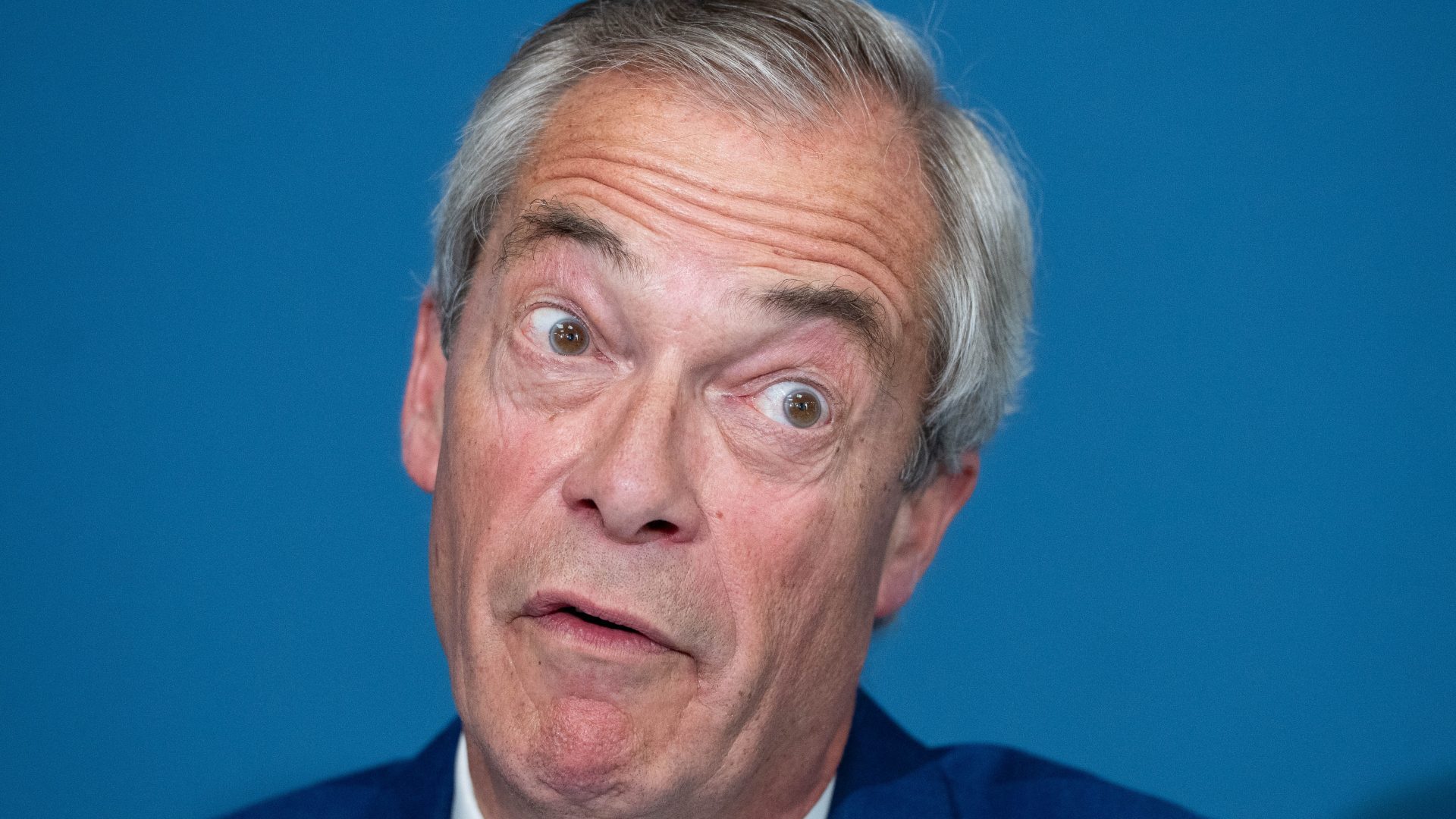
With the murder of Henry Nowak, most people saw a dreadful tragedy. Nigel Farage, on the other hand, smelled an opportunity.
On the morning of Tuesday, June 7, in a video “address to the nation” on social media, he ignored the pleas of the dead man’s family for calm, and instead suggested that the appropriate response was “pure cold rage”.
That night, hundreds of right wing extremists marched through Southampton towards the neighbourhood where the 18-year-old’s killer came from, where they attacked police, hurling glass bottles, cans and wheelie bins.
The degree of terror they inflicted was so great that one former police officer, incorrectly identified as being involved in the events surrounding Henry’s death, was forced into hiding.
But did Farage have any words of criticism for this violent mob? No. He did not in a Commons question to Keir Starmer, with his response leading the prime minister to respond: “It shows who he is.”
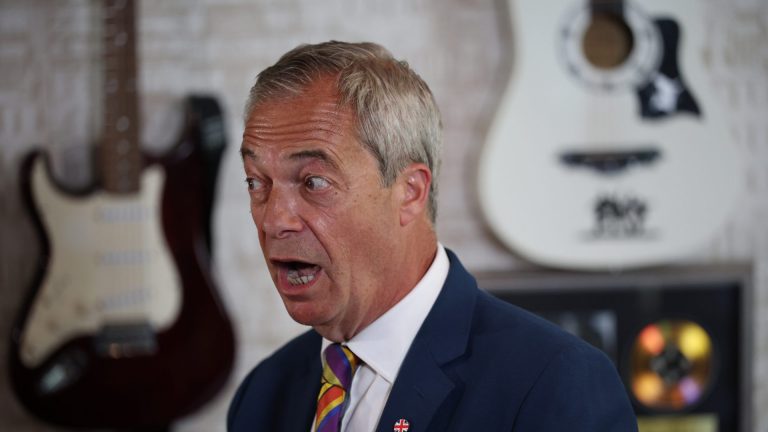
Now Farage’s eternal outrage has found another target – Matt Chorley, the hapless Newsnight presenter. In a segment on the Nowak killing on Tuesday, Chorley quoted Farage as having said not “pure cold rage”, but “white cold rage”.
The next morning, Chorley took to Twitter, tail between his legs, conceding that, “I owe Nigel Farage an apology” for the misquote.
Most people would have regarded the matter as closed. Not Farage. Sensing yet another opportunity to get his face in the papers and perhaps feeling he needed to deflect from his part in what transpired on the streets of Southampton, the Reform leader was soon on the phone to his lawyers.
“My legal team have written to the BBC,” Farage announced on Twitter, “demanding a full on air apology and investigation into the defamatory comments made about me on Newsnight.” He then added, for emphasis: “Enough is enough”.
Suggested Reading
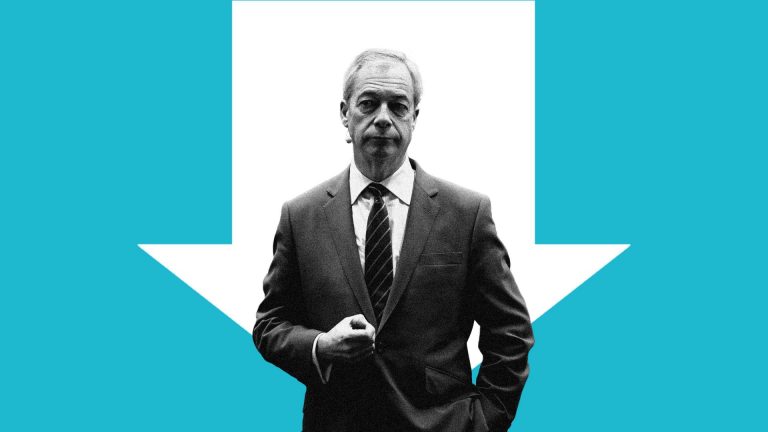
Nigel Farage has more questions to answer over his phone hacking claim
The lawyers’ letter to the BBC haughtily took issue with the Newsnight misquote, claiming: “It suggests that Mr Farage, far from condemning racialised treatment, was himself invoking race as a basis for public anger.”
When the issue of the Southampton disturbances came up at PMQs, Farage told the Commons flat-out that UK police are currently under instructions to “treat different ethnic groups in different ways”. At this point it seemed as if the Reform leader was most certainly “invoking race as a basis for anger” – but in this case the anger belonged to the entire House of Commons.
“Condemn the violence,” MPs shouted back at Farage in a wall of noise, as he spoke of “the anger that you saw, spilling out in Southampton last night”. “Condemn it!” they shouted.
And did he? Not a chance. In Farage’s mind, it’s much more important to condemn a single misplaced word by a TV presenter than a violent extremist mob attacking police in the streets.
 Most popular

Suella Braverman’s book has sold only 106 copies. This is why
The Brexit majority has gone for ever – rejoin now has a majority of 9 million
The mask has slipped – now we can see the real, shameful face of Reform
The riots in France are being stoked by Russia and Iran