
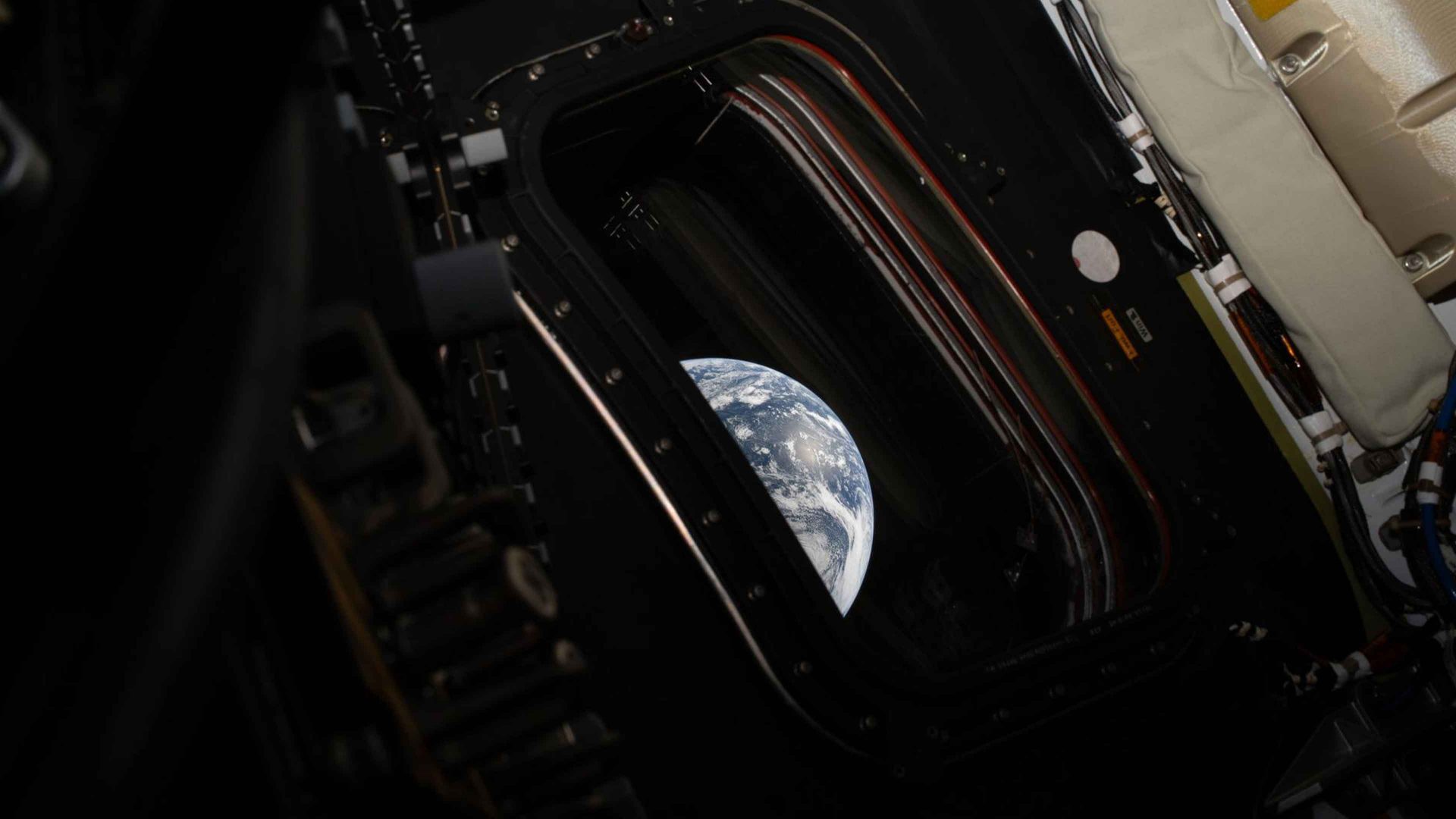
Artemis II WAs the right mission at the right time, albeit arguably for the wrong reasons. It’s surely because of the desperate lunacy of world affairs that the stunning images of earthrise and of the haloed moon eclipsing the sun have brought solace to so many. It could hardly be more timely to witness the delicate beauty of this blue orb in the cold vastness of the cosmos.
It would be nice to think that the resonance of this lunar mission will embolden spaceflight advocates to make an honest case for such ventures as inspirational, rather than pretending there are going to be meaningful and tangible economic benefits too.
But past human space missions have not been distinguished by their probity in such matters, even though spurious claims about the scientific and economic value end up undermining the seriousness and integrity of the whole business.
Suggested Reading
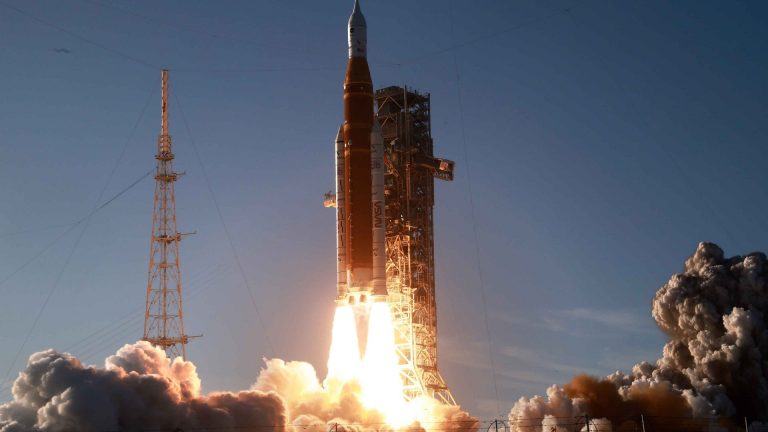

What was the point of the Artemis moon mission?
Here’s the sort of thing I mean: you might have heard that one of the prime spin-offs from the Apollo programme was the non-stick coating Teflon. Indeed, you might have thought that others include Velcro and (at least for US audiences) the powdered soft drink Tang. It’s all fantasy. Teflon was discovered at DuPont in 1938 and was all the rage in kitchenware by the time Neil Armstrong and crew blasted off. The astronauts did take Tang – which they got from the supermarket like everyone else.
The International Space Station was sold as a lab for whizzy science experiments such as growing better crystals in microgravity that would help us find new drugs. That didn’t happen. We’re now being told that one reason why a permanent moon base would be great is so that we can mine rare elements from lunar rock that are in short supply (or monopolised by China) on our planet. But the idea that it will be cheaper to source them on the moon is ludicrous, at least for the foreseeable future.
Worst of all is the popular tale that the lunar “soil” is rich in helium-3, a form of helium that is rare and extremely expensive on Earth but is a key ingredient of the fuel for future nuclear fusion reactors, which would solve the energy problem without the drawbacks of current nuclear fission reactors (such as waste disposal). This idea, although highly tenacious and rarely challenged in the media, is snake oil.
Suggested Reading

Do we really have a right to science?
None of the major efforts under way today to produce energy by nuclear fusion – the merging of light elements like hydrogen and helium – involve helium-3. Most of them use a mixture of hydrogen isotopes. It’s claimed that a fusion process involving helium-3 would generate less radioactive waste, but it would also demand even higher temperatures than those current fusion research struggles to sustain.
So the case for using helium-3 in fusion is unproven, and the technology it would require isn’t even in development. One expert has predicted that, if helium-3 fusion reactors are ever made at all, that’s unlikely to happen this century. And that’s before even considering the vast amount of lunar material that would need to be mined and processed to obtain viable quantities of the stuff.
In short, we’re being sold the Brooklyn Bridge. But there’s no lack of sellers. China’s state media told its readers that rock samples brought back by the Chang’e-5 lunar lander, which touched down on the moon in late 2020, supplied “crucial scientific data… for China to estimate the total amount of helium-3 resources on the moon and to explore and develop the energy source in the future.” Seattle-based lunar-prospecting company Interlune got a puff piece in the Guardian on the back of the Artemis mission about its plans to “harvest” lunar helium-3 because “it has qualities that could become vital in quantum computers [it won’t] and, theoretically, nuclear fusion.”
Suggested Reading
Warfare has already moved into space – you just haven’t realised it yet
Even Nasa goes along with it. “There are startup companies that are looking at using advanced fuels, such as helium-3, for fusion”, says one researcher affiliated with the US space agency. “There’s a lot of buzz right now concerning fusion power.” Hmm. You’d do better to heed nuclear physicist Frank Close, who has described the concept as “moonshine”.
The justification for missions like Artemis is hard to articulate. “We went because we could,” says Rebecca Boyle, author of Our Moon. “Because the moon is there… we did it just because.”
In truth, Artemis II was a test trip for future landings that might provide more substantive scientific value. Some might find all this unsatisfactory. But it is deeply unwise to try to win them over with false arguments.