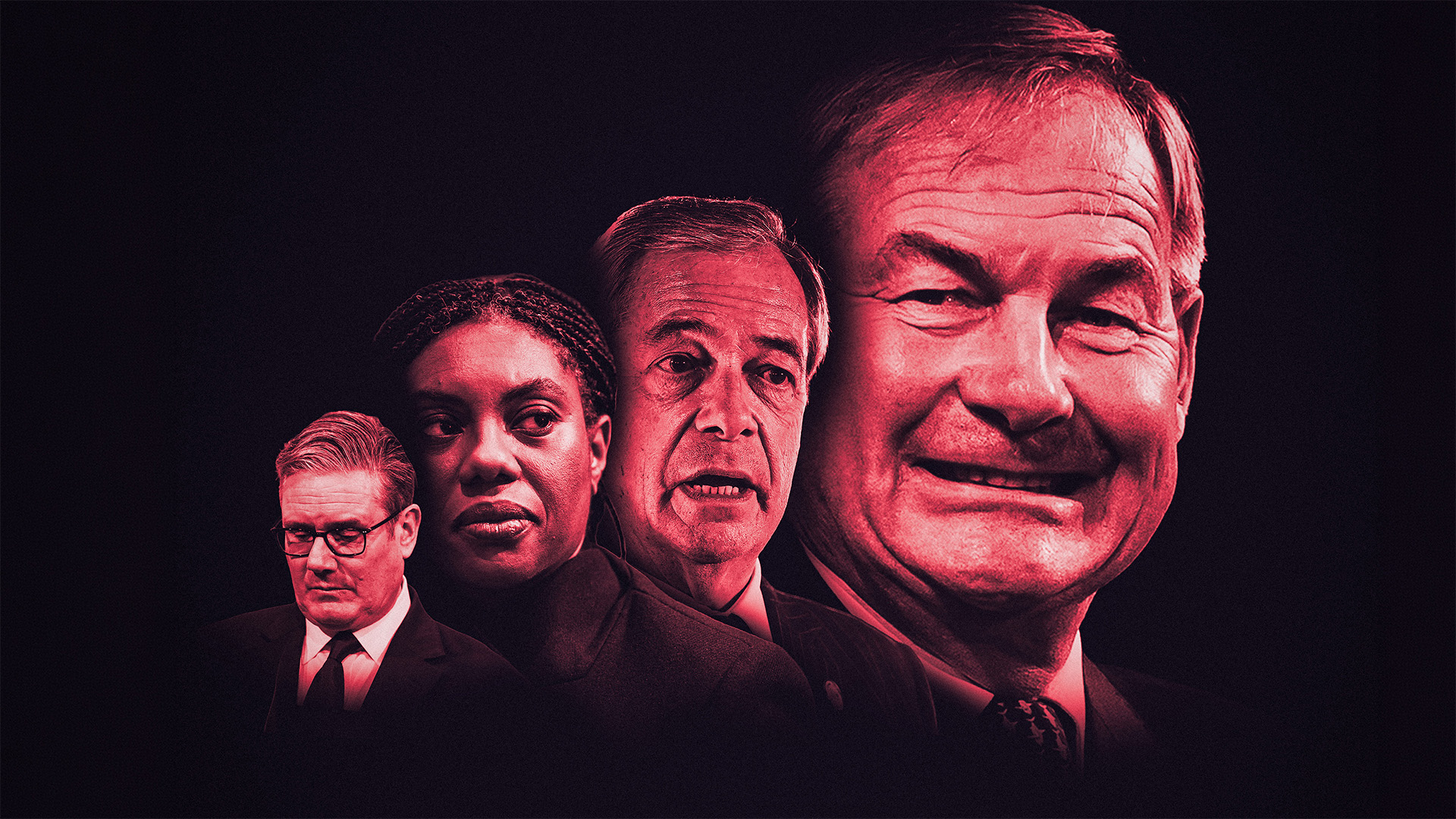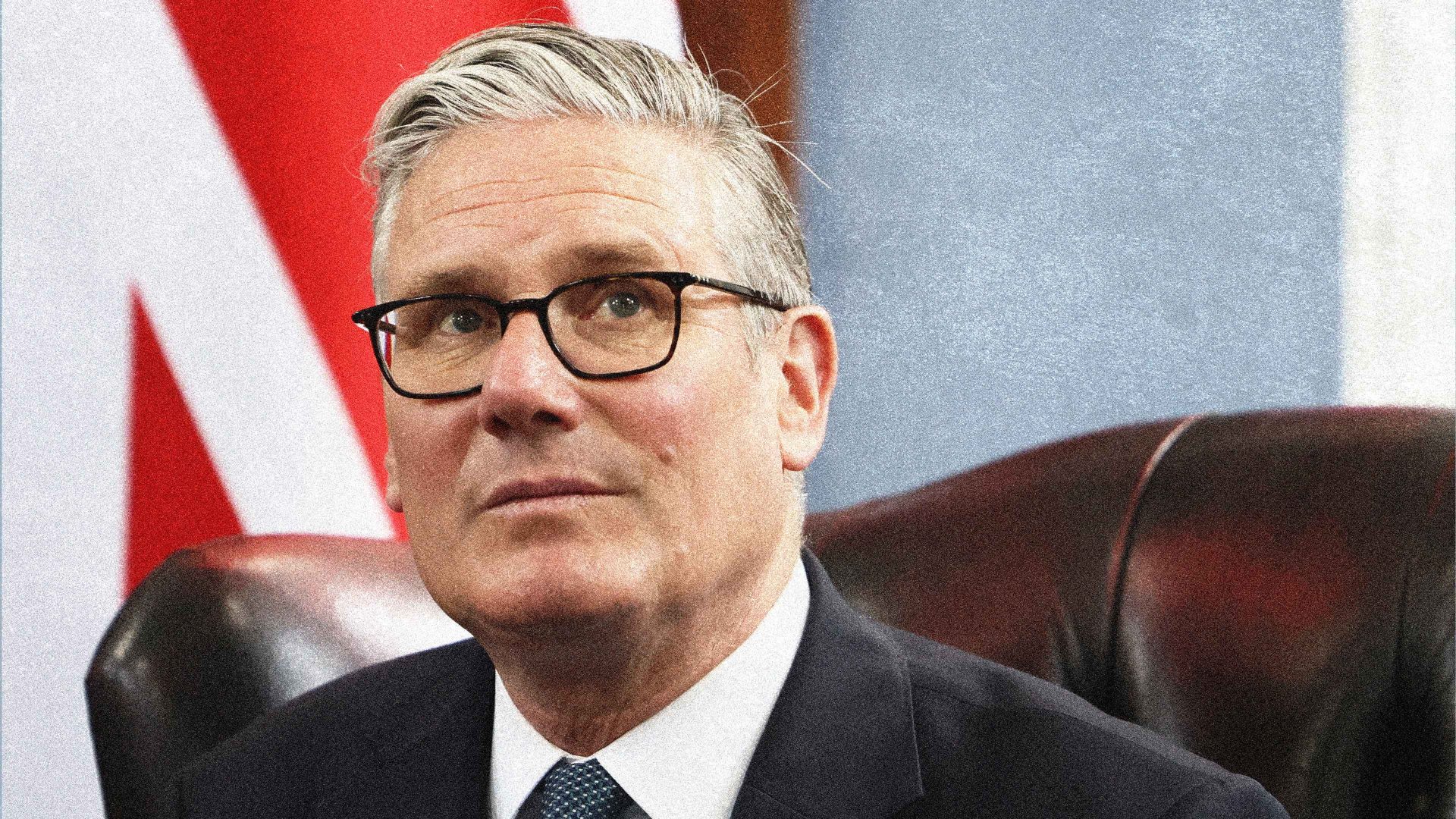
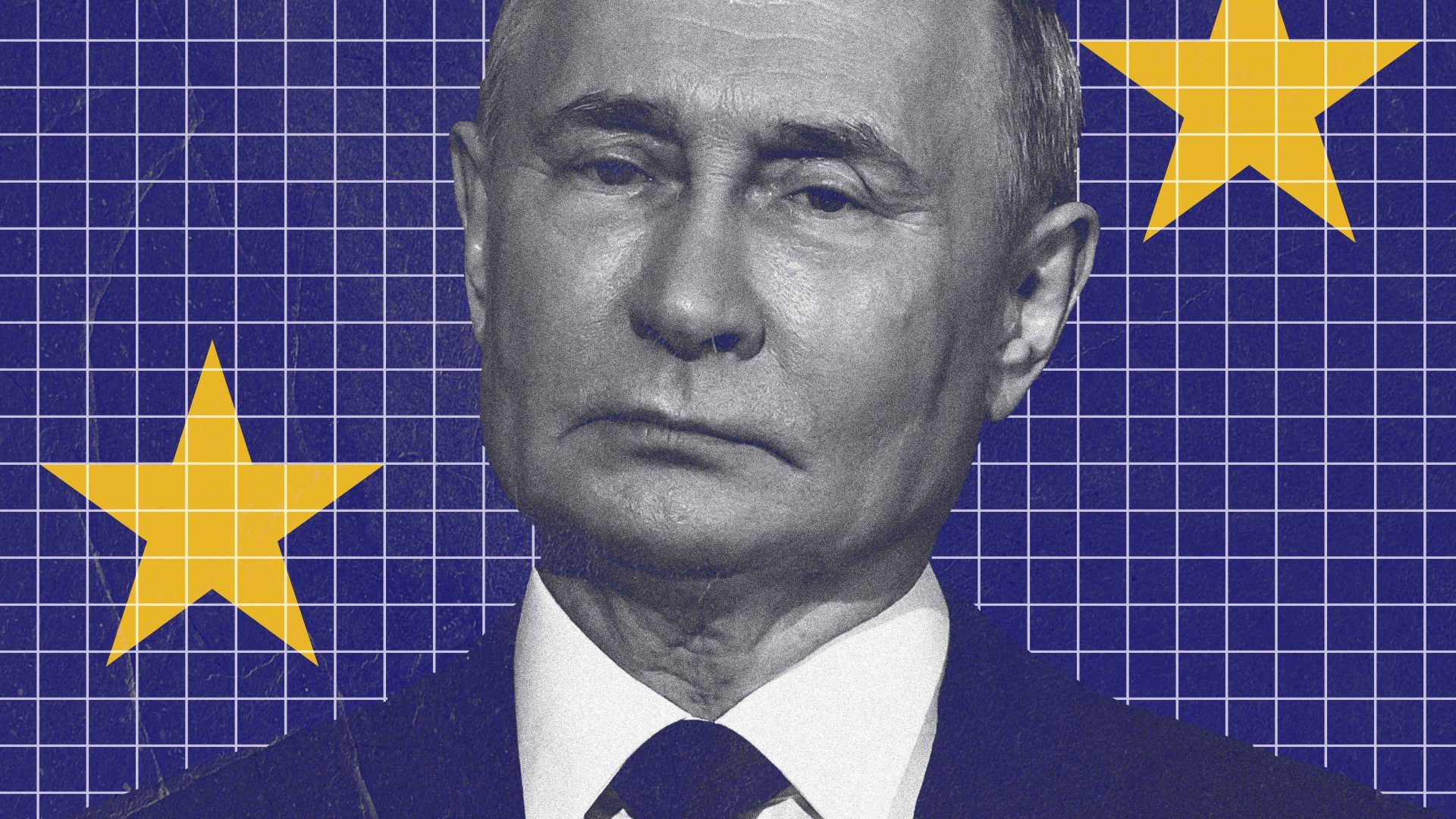
Nearly ten years on, the Brexit referendum vote is still haunting British politics. Rejoining the EU is set to be a live issue in a potential Labour leadership challenge. Meanwhile the latest academic modelling shows the decision to leave the EU has already stripped between 6%-8% of the UK’s potential GDP.
But it is pervasive fears about Russian influence – both on the decision and on British politics subsequently – that form the most disquieting part of the narrative.
In March, Matthew Ryecroft’s review of foreign funding and interference in British politics led to an immediate moratorium on cryptocurrency donations for UK parties. Briefed extensively by the security services, Ryecroft concluded that “foreign interference in our politics is real and persistent”.
Meanwhile, a court case brought by the NGO The Citizens will attempt to get the European Court of Human Rights to force the UK government to act on the Intelligence and Security Committee’s report into Russian interference. This 2020 document, peppered with asterisks denoting redactions, found that no serious retrospective assessment had been made of Russian interference in the Brexit referendum. Its demand that the intelligence services conduct one was refused.
Suggested Reading

Brexit was for the rich, and they’re not even pretending anymore
The anti-Brexit group Open Britain has now produced a strong argument in favour of reversing that decision. It called for a public inquiry into Russian political interference, the publication of the ISC Russia Report in full and a rapid programme of democratic strengthening to arm the UK against further interference.
With Elon Musk openly trying to destabilise UK democracy, and Russian hybrid aggression relentless, it is likely that the next general election will be a playground for foreign influence, unless there is significant change. “The longer the historical accounting is deferred,” says the report’s author Sergei Cristo, “the less prepared the UK will be for what comes”.
The evidence marshalled in Cristo’s report is conclusive: between 2012 and 2022 there was a flood of Russian money into British politics.
Yet Britain is the only major democracy that has refused to hold a statutory inquiry into Russian interference. The Mueller investigation established clear Russian involvement in the US election campaign that saw Trump defeat Hillary Clinton. A French National Assembly inquiry and a Canadian public inquiry followed.
The call to reopen investigations into how Russia influenced Brexit, and how it shaped the movement that has become the Reform Party, is not a political “cold case”. Establishing effective deterrence against Russian political interference is key to defending ourselves in all the other spheres – energy, economics and the military – where we face aggression.
Russian cognitive warfare works long term. Sleeper cells, agents of influence and disinformation themes are long-term investments for the Kremlin, not “use and lose” assets.
Suggested Reading
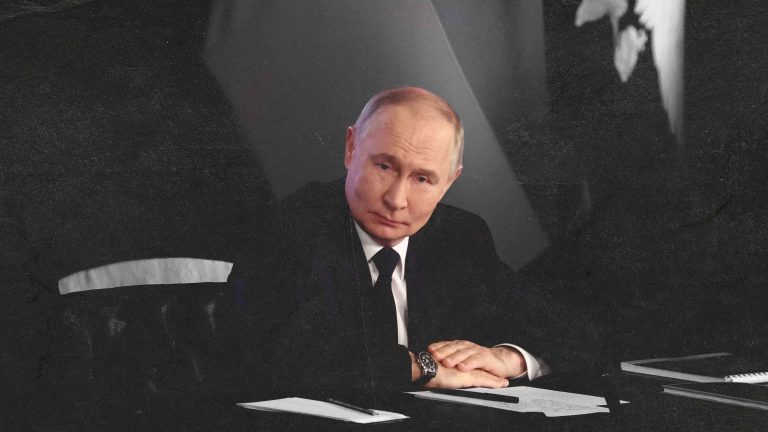

Putinism has failed, and a new kind of threat has arrived
Its tactics include bribery, the creation of proxy media groups and influencers, disinformation campaigns, hack-and-leak operations to destabilise democratic political parties, and funding think tanks and parties whose success would destabilise our democracy.
But its strategy is not to try and convince Britons that Putin is a good guy – though a depressingly large number of far left and far right activists believe this. Russia’s aim is to corrode trust in shared facts and the institutions that hold our society together.
Their aim is a population that trusts no-one – above all the state – and believes nothing. If you monitor Russian narratives carefully, they are aimed at the very basic things we need to survive as humans: food security, energy supply and medical care.
Nato as the aggressor, vaccines as tyranny, climate science as a hoax, the West as a corrupt and declining force in the face of the “new global majority” – these are themes alive and kicking in the Facebook and WhatsApp groups of ordinary Brits. It makes the UK not only a target, but as one expert put it to me, it turns Britain into “an export hub” for these ideas.
That’s why we need to look again both at Russian involvement in the Brexit referendum and at every potential connection between UK politicians and Russian oligarchs – no matter how anti-Putinist they might claim to be.
If you survey the fractured state of British politics – Scotland and Wales ruled by parties who want to leave the UK, 100,000 on the streets in support of convicted criminal Tommy Robinson, rampant antisemitism turning from thought to violent action, sickening levels of Islamophobia and just sheer stupidity in the face of disinformation – it is tempting to conclude that Putin does not need any help. We seem quite capable of destabilising ourselves.
But that would be wrong. Though there are homegrown British extremists and conspiraloons, their voice is being constantly amplified by Russian and Iranian proxy media operations.
Cristo’s message is stark: if we just sit back and let this carry on, whacking every mole as it pops up without asking how deep the warren of mole tunnels actually runs, and who dug them, the next election could turn into a carnival of foreign interference and disinformation.
Suggested Reading


2026: Democracy’s last stand
The government has – inexplicably – failed formally to launch the “whole of society conversation on defence” promised in July last year in the Strategic Defence Review. When it does so, it will find a ready supply of Russian proxy voices, fake content and well-funded amplifiers contributing to the view that the state cannot be trusted. They also promote the idea that Nato is the problem, that defence firms should be run off campuses and that the armed forces are – as a group of pro-Palestinian extremists recently screamed at RAF members outside the Ministry of Defence – genocide enablers.
The King’s Speech promised a National Security Bill, a Cyber Security and Resilience Bill, an Armed Forces Bill and an Energy Independence Bill. In fact the word security appears in almost every paragraph of the 2026-7 legislative programme.
Why then tie the hands of legislators and voters by refusing to release the unredacted version of the ISC report?
Until 2022, when Russia invaded Ukraine, it is clear that parts of the British establishment were deeply relaxed about Russian oligarchic money flowing their way. Though even the most sycophantic bootlickers seem to have realised how unpopular this might make them, there is no guarantee that once the Ukraine war results in a peace deal, the whole caviar, Rolex and paid-for sex circus does not reopen in London.
So I am with Cristo here: publish the ISC Report in full, launch a public inquiry into Russian influence during the Brexit campaign. But I would go further.
Sweden, Finland, Estonia and France all now have government agencies designed to defend their people against Russian hybrid warfare – a mixture of disinformation, organised crime and cyber-aggression. It’s time Britain had one too, because the depth of popular support for Ukraine, and the extent of military support, means we are still the prime target for Kremlin destabilisation.