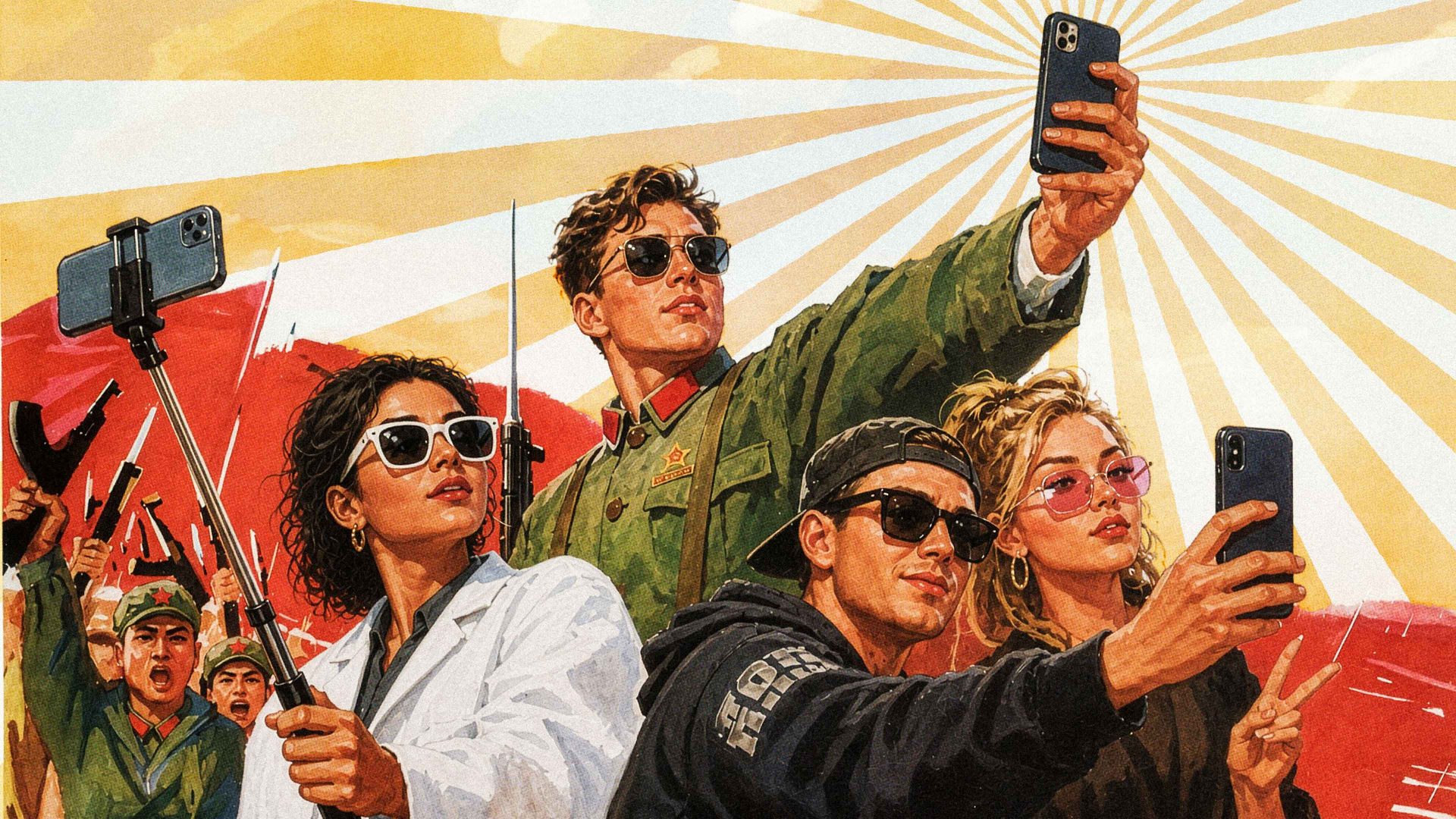
In 1989, the year of the Tiananmen Square massacre, China contributed less than 4% of world GDP; today that figure is close to 20%. In the same year, China’s per capita income was $407; in 2025, it was $13,690. In 1989, China exported $62bn worth of goods and services, around a sixth of the total for the USA. In 2025, the value of Chinese exports was $3.5tn – two-thirds higher than America’s.
China remains by international standards an “upper middle-income” country. But its life expectancy matches that of the USA’s, and poverty has been declared eradicated. Around 66% of its population live in densely packed cities – double the figure at the start of marketisation. All this was achieved under a system and a ruling party calling themselves communist. But the method used was capitalism.
In the process of “reform and opening up”, China replaced a small but relatively privileged working class, created during decades of heavy industrialisation, with a new proletariat consisting of migrant workers with fewer rights, and under tight labour discipline. The result is one of the most unequal societies on earth. The top 10% of society earns 43% of the national income, while the poorest 50% take home just 13% of the total. The top 1% of society alone takes 15%.
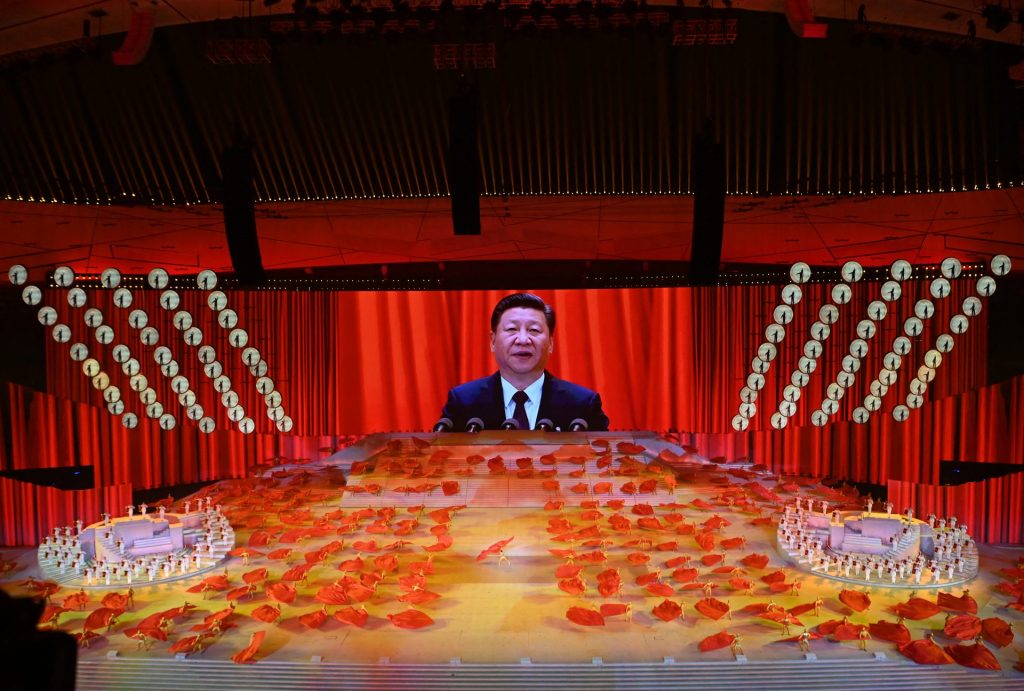
Presiding over this vast inequality is the Communist Party of China. At the last count, the CPC had 100 million members organised in five million local branches: one in 10 adults is a party member. With 58% of CPC members holding a university degree, and workers making up just 8%, the party is a self-selected managerial elite.
Suggested Reading
The far left has a dictator problem
Despite promising to achieve “socialism” by 2035, Chinese society looks nothing like the “association of free producers” Karl Marx envisaged. But if it becomes the strongest country in the world by mid-century – as its rulers intend – it won’t matter whether you or I think China is “really” communist. The CPC will get to write both the definitions and the history books.
Since Jiang Zemin introduced the “Important Theory of Three Represents” in 2000, the CPC has explicitly represented not only workers and peasants but the bourgeoisie. Party membership confers influence, career advancement, leniency for wrongdoing and wealth. Recent research, for example, shows that CPC members are on average 21–24% wealthier than their counterparts, with the effects among the poorest half of the population even more pronounced.
The “noble lie” which Plato insisted was needed to maintain legitimacy in a communal Utopia survives in China. Communist political discourse, so rich and problem-centric in the 1920s when the party was born, has become cluttered with impenetrable, pre-formed chunks of language that mean the opposite of what is said. And it is all backed by the most intrusive state surveillance and censorship regime in the world.
The PRC faces demographic ageing, climate pressures, and its growth has slowed to half the pace of 20 years ago, while many of its city governments are technically bankrupt. Because these features – the exhaustion of catch-up growth, massive over-reliance on credit, gigantism in public infrastructure and overspending on the military – were present in the late stages of Soviet perestroika, it is a brave analyst who would predict that the current system can last for ever, especially as China’s population is ageing fast.
The PRC today stands at the centre of two global contradictions. The first is that, for the system to function, 1.3 billion people are required to believe that capitalism is socialism. Every previous system reliant on thought-control collapsed at the moment people stopped believing in it. Just as Gorbachev was taken down by a crisis of belief, not economics, China – despite its technological and military might – is politically fragile.
Xi Jinping has ordered the party to create “new quality productive forces” – eighteen new industrial sectors that barely exist in the west, ranging from biomanufacturing to the “low altitude economy”. These, he hopes, will create an economy the west cannot emulate, securing China’s industrial dominance.
Suggested Reading
The end of Putin is at last on the table – but we must be sceptical
But the second contradiction lies between the PRC’s economic power and its geopolitical status. China has become an economic superpower to rival the USA, but has no intention of shouldering the global responsibilities that accompany such status.
The country’s stated goal is to become, by 2049, “a great modern socialist country that leads the world in terms of composite national strength and international influence”. To this end, Xi Jinping signed a joint declaration with Vladimir Putin on the eve of Russia’s full-scale invasion of Ukraine in 2022, declaring the rules-based international order finished, and has armed Russia throughout that conflict. That is not a country that wants to create or lead a new, Sino-centric world order, but simply to profit from the disruption of one that is failing.
Nevertheless, on every left wing demonstration today – from Gaza to climate change – you will meet people who believe China’s system is better than ours. For Xi’s supporters in the west, the “multipolar world” is a more just replacement for the rules-based order, giving power to countries in the global south. But the violence that multipolarity has brought to sub-Saharan Africa and the Middle East shows the opposite: without clear Chinese leadership or some form of negotiated collaboration between the great powers, multipolarity will breed chaos throughout the century.
Meanwhile, western capitalism is in crisis: its growth model no longer works, its democratic institutions are imploding, and its states are besieged by a feral oligarchy of tech bros and crooks. In that situation, it is entirely possible that – despite its fragility, rampant inequality and suppression of critical thought – Chinese totalitarian capitalism will outlast the democratic order in the west.
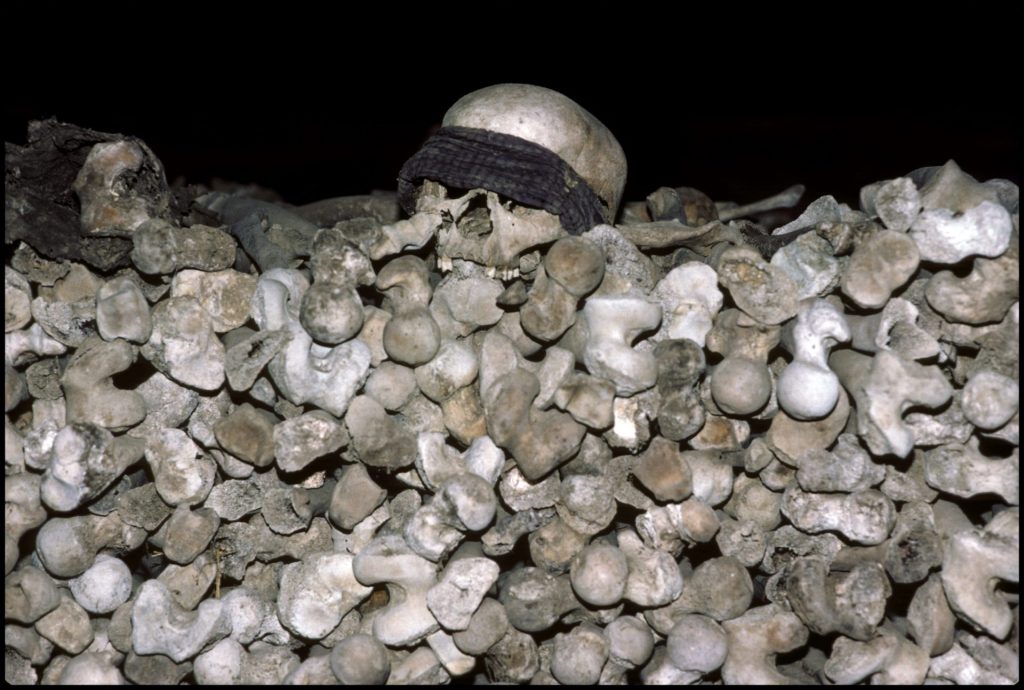
Cambodians were executed by the Khmer Rouge. Image: Getty
The point for those who want to see a human-centric, democratic future is to resist it. There is nothing inevitable about China surpassing and eradicating western liberalism and the Enlightenment values on which it is based. There is every likelihood that the “laws of history”, working behind the backs of China’s rulers just as Marx thought they worked against Metternich and Louis-Napoleon, will lead to the one denouement Xi Jinping’s supporters fear: revolution.
In the meantime it is important that we educate the rising generation, who never experienced the horrors of Stalinist and Maoist rule first-hand, out of any residual sympathy with, and nostalgia for, authoritarian leftism.
By 1920 at the latest, Leninism was trapped in a combination of moral vacuum and cognitive dysfunction. It could not process the complexities of the world created by the 1914-18 war and became inured to human suffering. By the mid 1930s, Soviet communism could no longer process evidence at all. And as the philosopher Imre Lakatos pointed out in the 1960s, for a theory that purports to be “a science” that is a bad place to be.
Compare this to Marx, learning Russian to study the peasant commune late in his life, and immersing himself in antiquity to explore the origins of the family and the state. What makes Marx an enduringly great thinker is that he continually challenged his own conclusions and refused to build a finished system – either of thought or action.
From 1844 onwards, Marxism was a project of individual human freedom. It was not, despite Marx’s claim, the negation of Enlightenment philosophy but its latest expression. As such, as the philosopher Walter Benjamin suggested, it is best seen as the secular continuation of the Judeo-Christian demand for a just conclusion to human history. Its mental tools – the dialectic and the materialist conception of history – are puny compared to today’s systems theories and computational methods. But they were crafted in pursuit of the same goal that science pursues: to model the world’s complexity.
Suggested Reading
After Brexit, “the special relationship” became a weakness
The crimes of communism were concepts before they were bullets. Lenin: the proletarian dictatorship does not need law. Stalin: liquidate the kulaks as a class. Mao: truth is a class-determined concept. If, amid the chaos of the 21st century, you feel inclined to enlist in the ranks of the tradition that produced this bullshit, you are going to need a very powerful insurance policy against repeating the mass murders it justified.
For me, the insurance policies are principles that Marx never fully enunciated: unconditional humanism, the rule of law, inalienable human rights, ecological sustainability and an ethics rooted in the desire for human freedom.
Marx, by explicitly rejecting all forms of moral philosophy, cut his followers adrift from a politics based on something he himself believed in, namely, the defence of the human being. He was, at best, ambivalent about human rights; at worst he provided ammunition to those who want to disparage the concept.
His approach to the “Utopian” socialists who came before him was careless: he dismissed them as dreamers whose blueprints were impossible to achieve. But through his lifelong refusal to imagine what communism would look like, he failed to consider the totalitarian risks that would arise during the transition period.
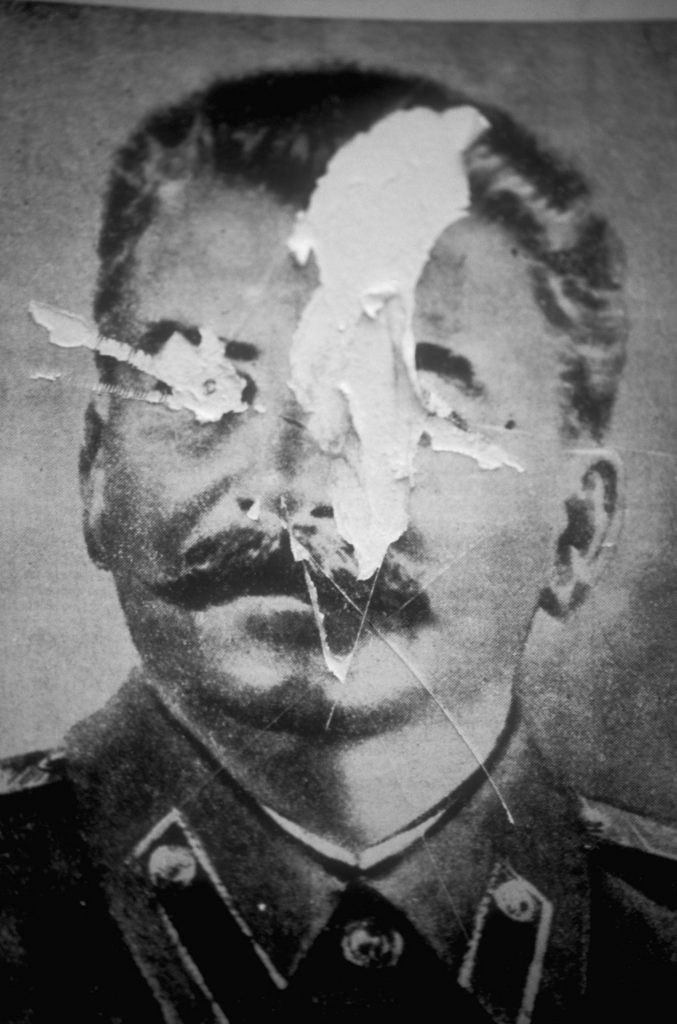
For Marx, the insurance policy against a totalitarian outcome was supposed to be the working class. Since it was the “bearer” of classlessness – and obliged to abolish all wrongs, not just the wrongs it had endured – it would fight any tendency towards authoritarianism in the revolutionary dictatorship. But he was wrong.
The European working class, even at the height of its radicalism between the Russian revolution of 1905 and the Spanish civil war, was nearly always prepared to swap power for control. It was anarcho-syndicalism and left-social democracy, not Bolshevism, that expressed working-class consciousness in its most authentic forms. Tragically, the Russian working class swapped power for privilege in the 1920s, and many of its most idealistic members took an active part in the creation of Stalin’s totalitarian state.
The relevance of this today should be obvious: the working class has been atomised; the political consciousness of most people is shaped by individualism and identity; states and corporations possess technological power in gigantic asymmetry to that of the masses.
Stabilising the climate while raising billions of people out of poverty; deepening democracy while harnessing information technology for human good – these are the goals mandated to us. I am by no means certain that social democracy or liberalism can achieve these goals. I am absolutely certain that the modern versions of Leninism, Stalinism and Maoism would obliterate them.
Today there are relatively few communists in the west – and they divide into generational opposites: those like me who witnessed the Soviet collapse first-hand, and were prepared to think critically about it; and those from a younger generation that has absorbed the whole simplistic package of neo-Leninism. This group has powerful allies – in the form of the CPC’s “United Front Work Department”, and the disinformation machine of Putin’s Russia, which is only too happy to signal-boost their propaganda. As a result, the struggle over the history of communism is a live issue.
I still believe it will be possible to achieve a post-capitalist system: economically, culturally and morally. But as we approach the 2030s, we are threatened with an escalating climate crisis, growing asymmetries of wealth and power, authoritarian states ruled by dictators prepared to risk nuclear war, the regression from feminism to misogyny and everywhere violent fantasies of revenge. In such a moment of danger, to echo Walter Benjamin’s words, I refuse to “view every second as a gateway to liberation”.
Instead, I choose the course of piling reform upon reform; action guided by evidence, not impulse; advancing the power of working people through self-knowledge, not blind action; and defending the rule of law against the arbitrary power of men like Xi, Putin, Trump and their successors.
The masses contributed everything that was positive to communism, including its final overthrow. The “beautiful troublemakers” the revolutionary left produced, and whose stories I tell in Reds, always saw the people themselves, in their complexity and hope, as the yardstick against which to judge political theory. The one principle I take away from my lifelong engagement with socialist politics is to do likewise.
In the struggles that lie ahead, we should be cautioned by the experience of the left in the Spanish civil war. From the autumn of 1936 onwards, every struggle for social justice has involved not two forces but three: the masses, the elite and a robotic, hidden, Stalinist machine determined to shape the outcome of the conflict to its anti-human ends. No matter how just the current struggles of the left are, the machine is at work inside them once again, and needs to be switched off.
From a broad overview of communist history, we can draw two clear conclusions about causality. Communism triumphed because 20th-century capitalism plunged the world into war and economic penury. Capitalism, in turn, failed because it had no theory of its own reality. Its statesmen were constantly surprised by the chaos their system generated, while Leninists (like the fascists) understood its historical lawfulness and embraced chaos as their element.
In turn, communism failed because it could not coexist with technologies requiring the free flow of information and an educated workforce. But there is no guarantee that the current form of capitalism can coexist with them either.
For those, like me, who want to see the end of inequality and needless hierarchy, the rise of digital technologies and artificial intelligence is an opportunity, not a threat. Faced with these immensely powerful tools, it is right that a new generation should ask whether they can be used as the basis for a transition beyond the market and private property. The purpose of this book is to persuade them: not like this.
For humanity to step permanently “to the side” of the production process as Marx envisaged, and to become its curator, while focusing on stabilising the earth’s climate and enriching our own human lives, requires us to chart a different route beyond capitalism than the one pursued by the Leninist tradition.
To open a humane, democratic and sustainable path towards the human freedom Marx imagined, requires us to close the book on communism as it has been understood.
A brief history of communism
1848
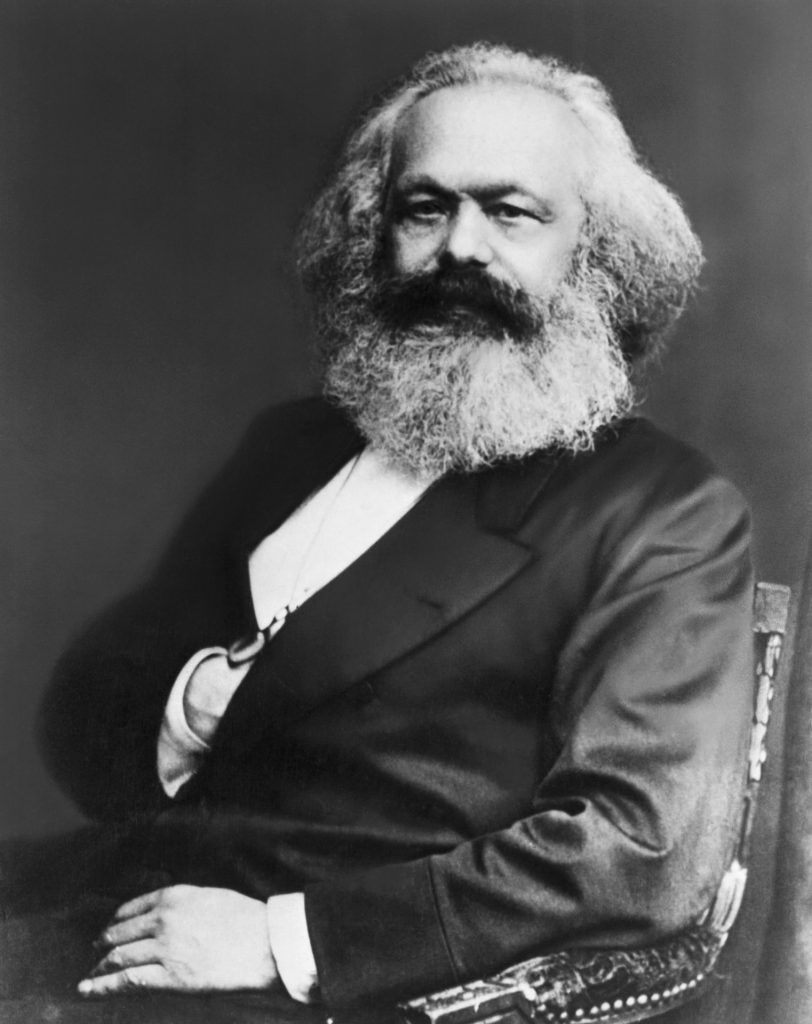
Having met in Paris four years earlier, Karl Marx and Friedrich Engels publish The Communist Manifesto. It calls for a workers’ revolution and collective ownership
1864
The International Workingmen’s Association, commonly known as the First International, is founded in London, bringing together socialist and communist activists from across Europe and the Americas
1871
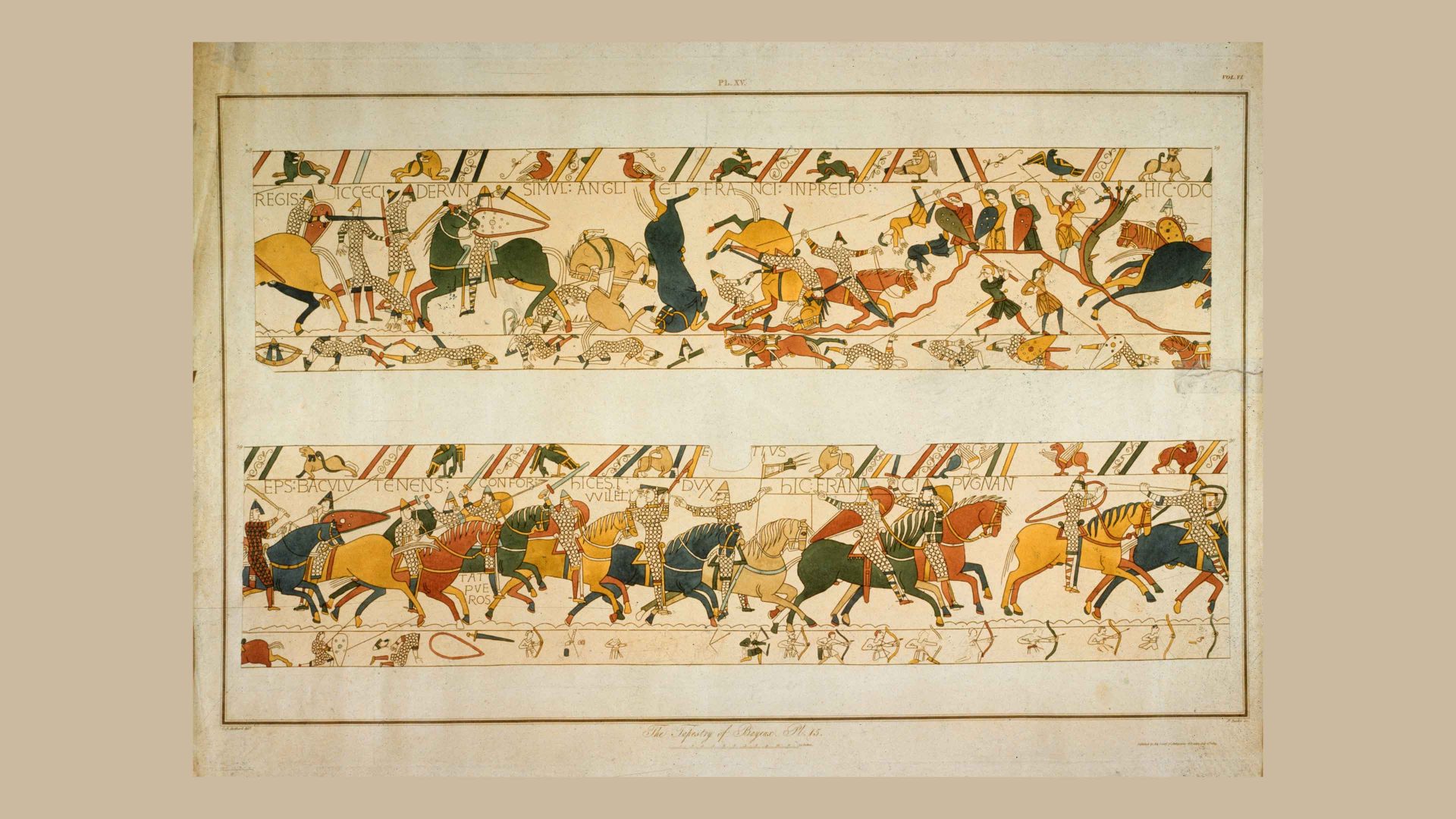
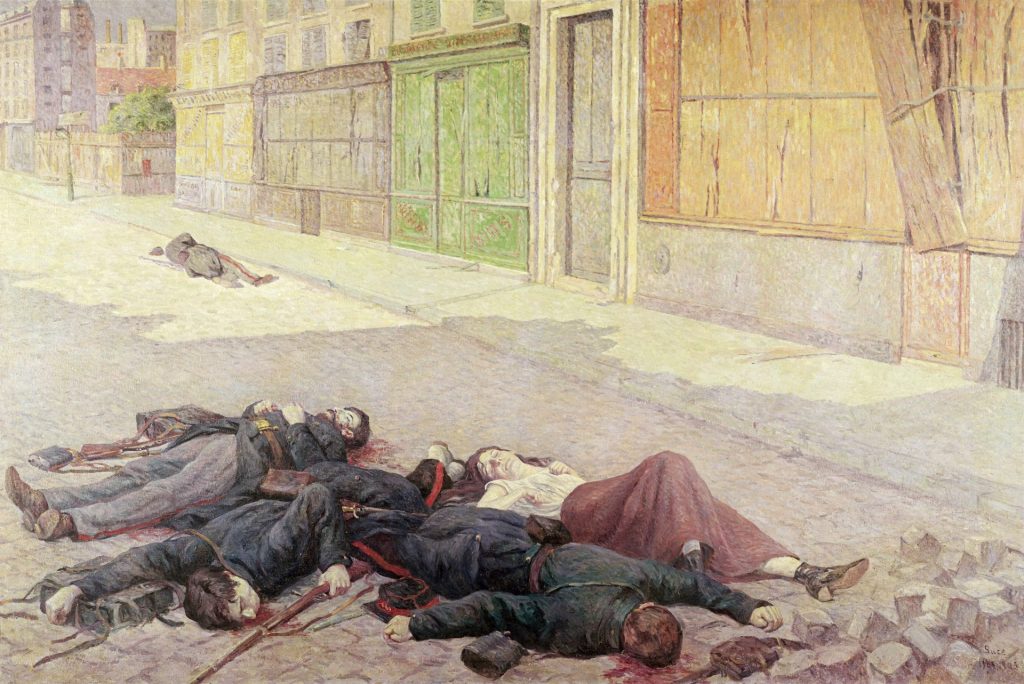
Revolutionaries briefly seize control of Paris and create the Paris Commune, a radical experiment in workers’ government. It lasts 72 days before being crushed by the military (below)
1917
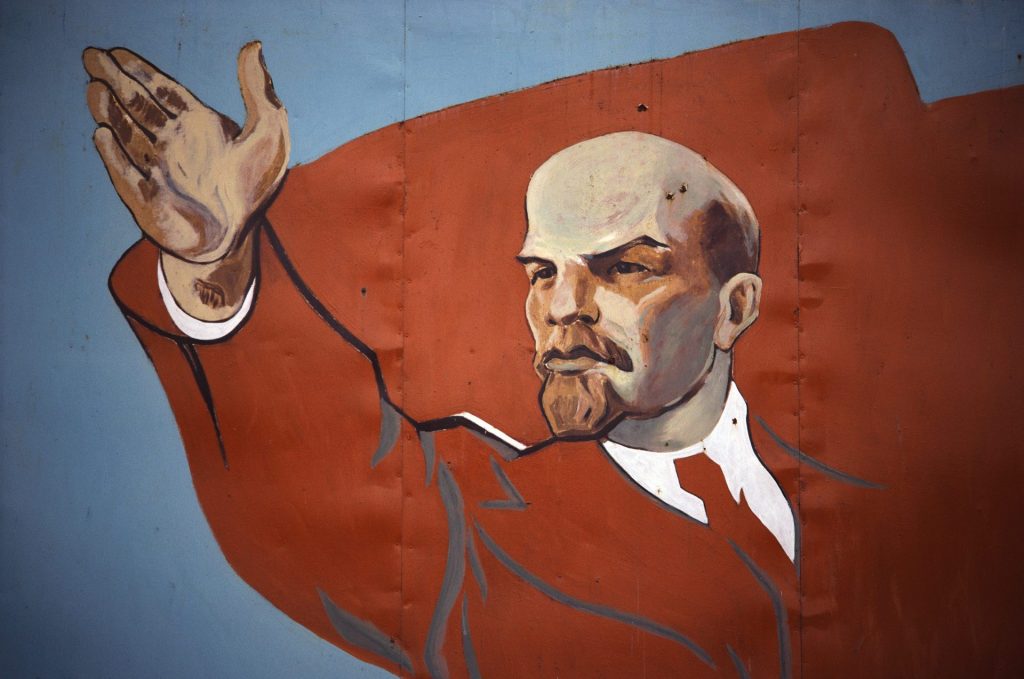
Bolsheviks led by Lenin seize power in Russia, establishing the world’s first communist government
1922
Russia, Ukraine, Belarus and Transcaucasia (today’s Armenia, Azerbaijan and Georgia) form the Soviet Union, consolidating Bolshevik power
1924
Lenin’s death brings a power struggle ultimately won by Stalin, who accelerates industrialisation and collectivisation but establishes an increasingly centralised dictatorial rule
1945
As the world rebuilds after the second world war, communism’s influence spreads through Europe into Albania, Bulgaria, Czechoslovakia, East Germany, Hungary, Poland, Romania and Yugoslavia
1949
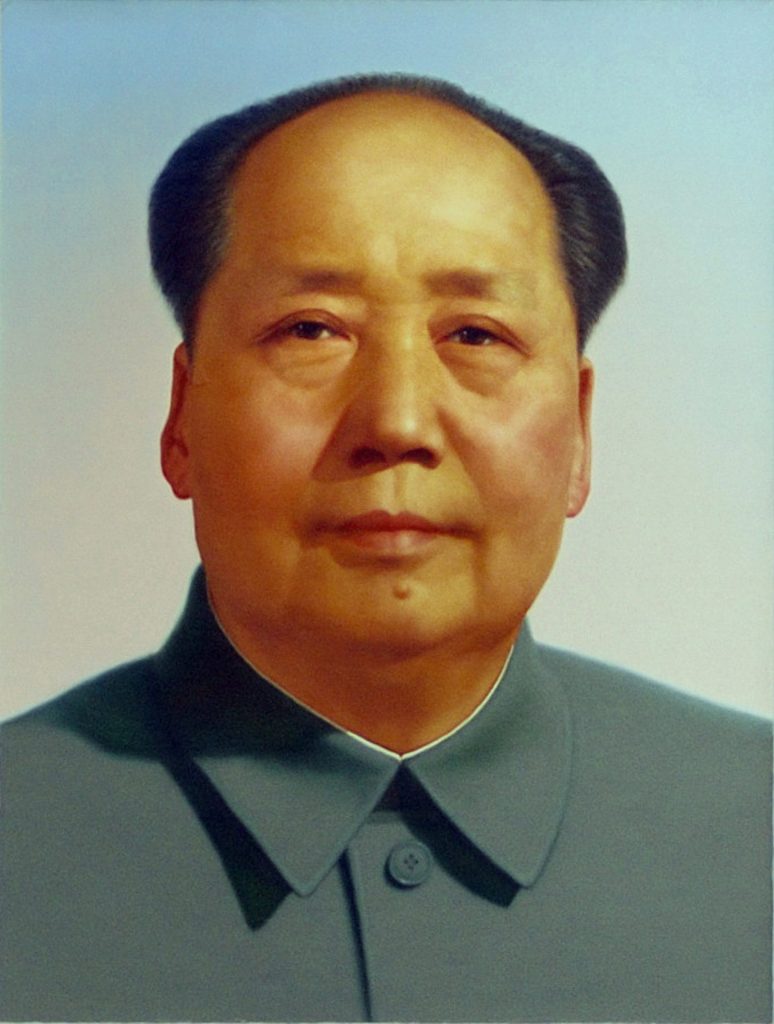
Mao Zedong drives out Chiang Kai-shek’s Nationalists and establishes the People’s Republic of China
1956
Hungarians revolt against Soviet domination, demanding withdrawal from the Warsaw Pact. Soviet forces crush the uprising
1961
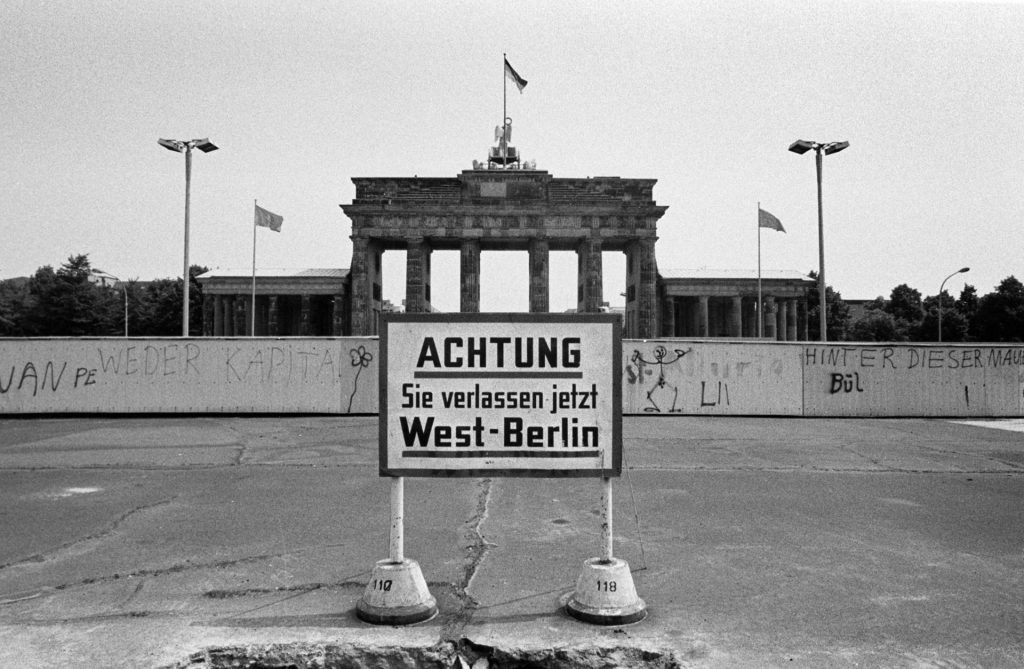
East Germany constructs the Berlin Wall to prevent citizens fleeing to the free west. The division between communist and capitalist Europe is now physically stark
1966
Mao launches his cultural revolution, unleashing brutal political persecution and social upheaval
1978
Deng Xiaoping begins market-oriented reforms in China, introducing private enterprise and foreign investment but maintaining communist political control
1985
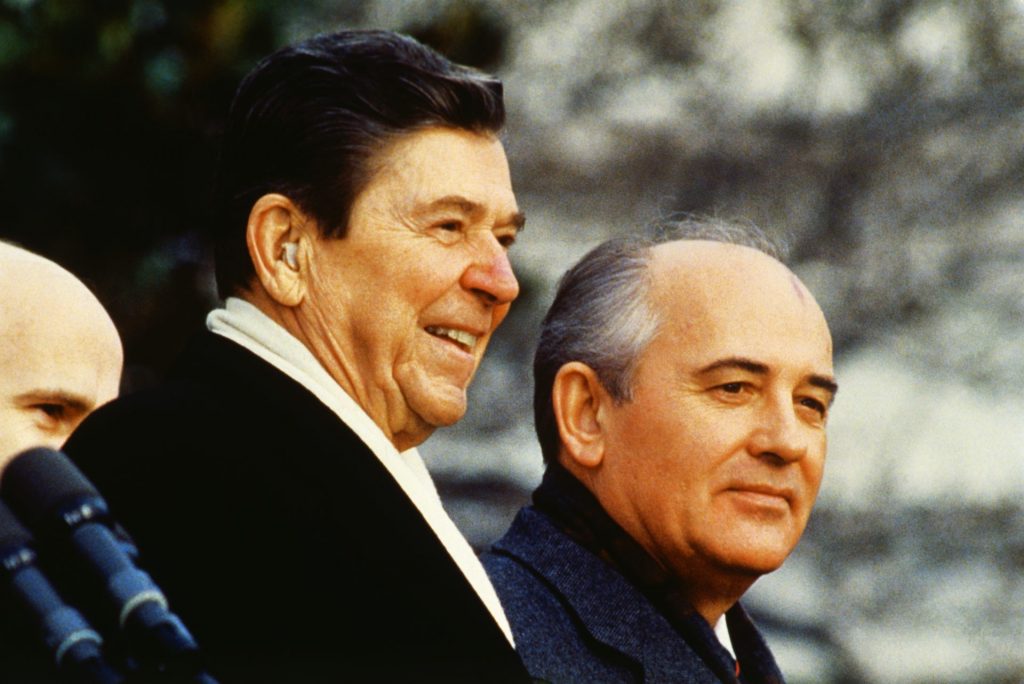
After years of unrest in Soviet republics, a disastrous invasion of Afghanistan and a costly arms race with the US, new Soviet leader Mikhail Gorbachev promises glasnost (openness) and perestroika (reform)
1989
Communist governments across Eastern Europe collapse and the fall of the Berlin Wall signals the accelerating breakdown of communist rule
1991
The Soviet Union dissolves after decades of economic stagnation and domestic repression. Fifteen independent states emerge and communism’s long domination of Eastern Europe is over
2026
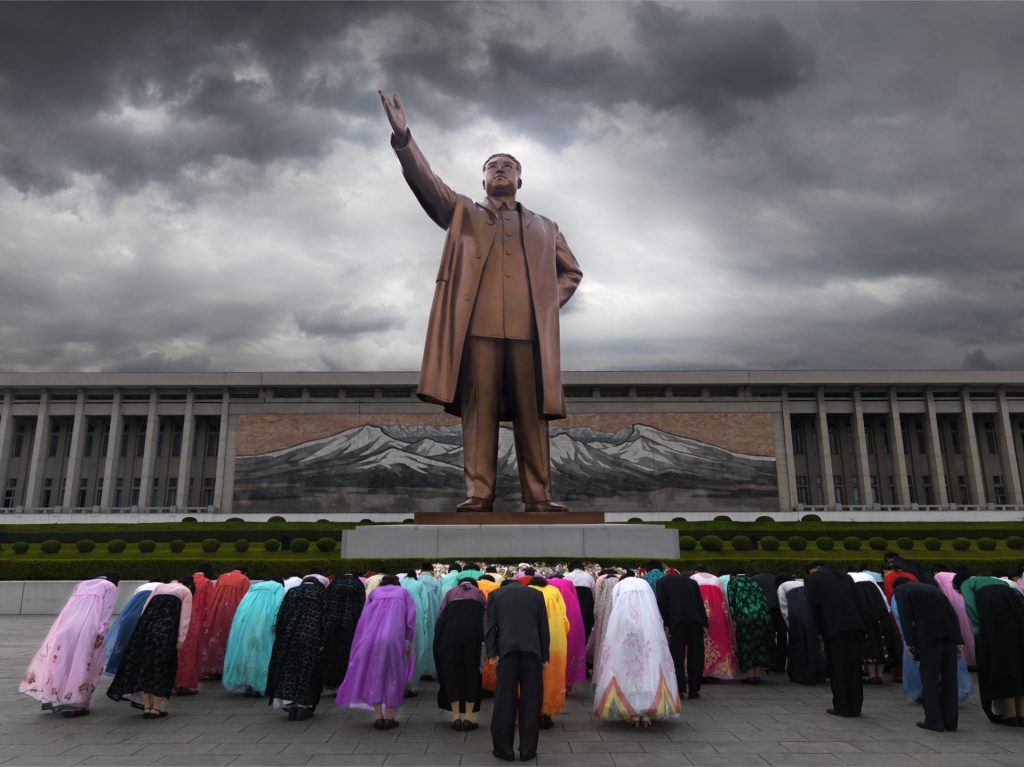
Communist parties still govern China, Cuba, Vietnam, Laos and North Korea. Systems and degrees of openness vary, but state control of both production and thought remain constants
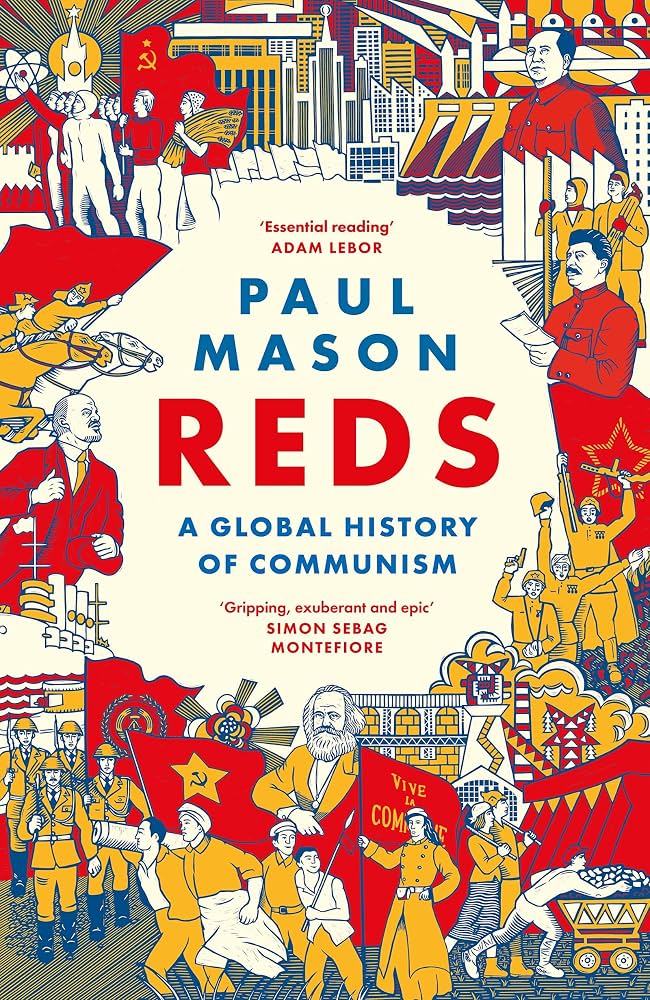
Reds by Paul Mason is published by Apollo.
Get a signed copy free when you subscribe to The New World:
thenewworld.co.uk/offer