The average British high street can be a dispiriting place. Forty years ago, Body Shop founder Anita Roddick bemoaned its imminent demise and advocated its reincarnation as a modern equivalent of the Greek agora, the marketplace where communities gathered to talk as well as trade. Instead, decline has persisted.
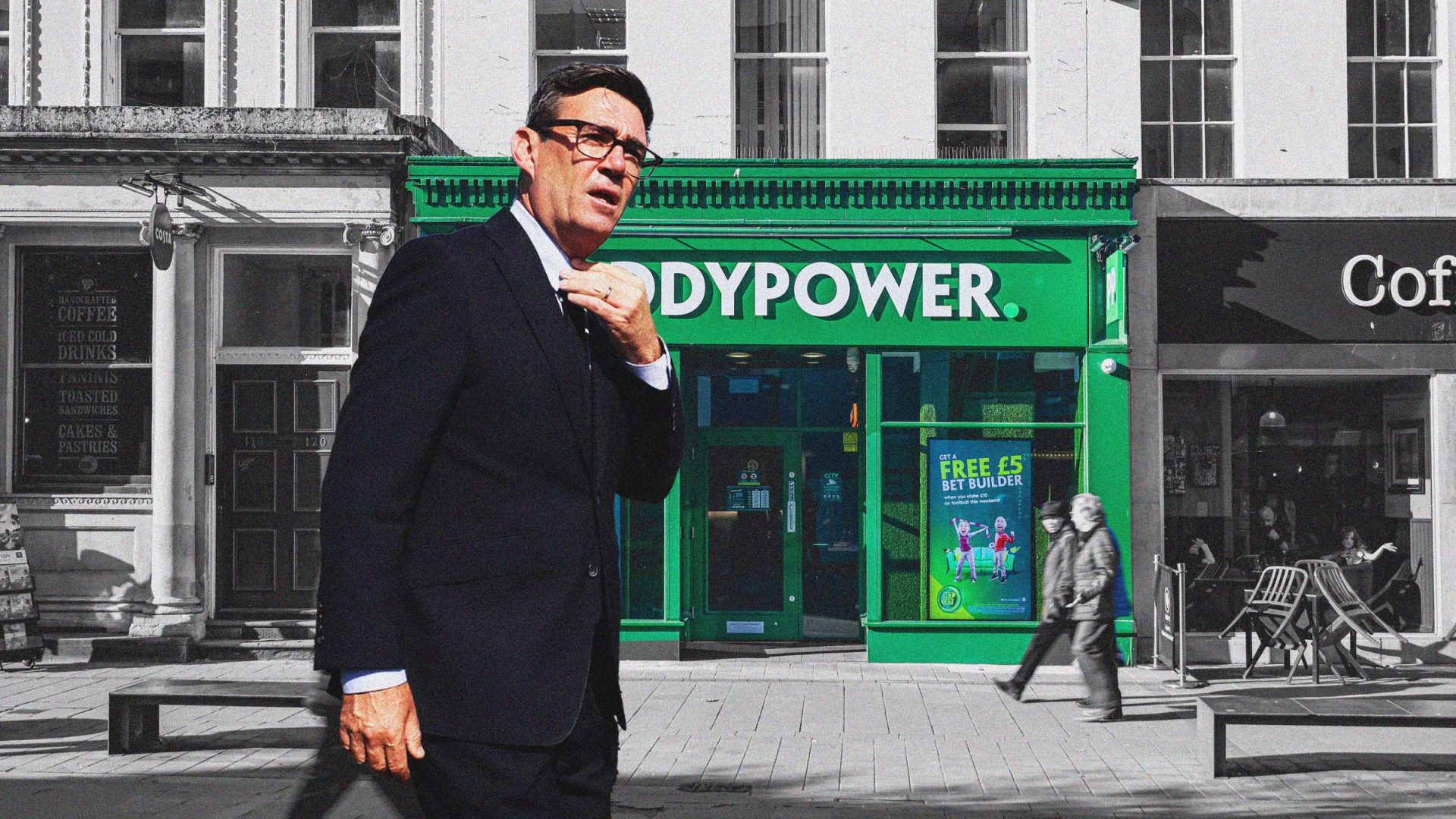
Now Andy Burnham, already juggling with the massive hole in the defence budget, the climate crisis and a crumbling economy, thinks he can prettify town centres. The new prime minister is going to re-invigorate high streets by making it much harder to open vape shops and betting shops, and while most of the headlines stopped there, his aesthetic ambitions go much further. The government will be “setting clearer standards for how high streets should look”.
A little bit of architectural daydreaming may be a welcome distraction from the problems of unemployed youngsters, overcrowded prisons and a slovenly economy, but it is nonsensical to announce it as government policy. A declaration that town centres will be lovely places may go down well with some voters, but it has less chance of succeeding than a gamble on a slot machine.


Traditional town centres have been eroded by many factors and Burnham ignores the most important ones: the internet, and the emergence of out-of-town shopping, both the massive centres with dozens of outlets and the supermarkets that have largely exited the high street to trade on large sites with plenty of car parking.
Environmentalists may loathe motorists but the lack of adequate town parking drives many people to shop elsewhere, and now they also have the online option. If Amazon can deliver what the customer wants overnight, what is the incentive to struggle to park near the high street?
Even in the highly unlikely event of Burnham’s beloved Manchester bus network being replicated across the country, persuading people to take public transport, they would be lucky to find a shopping paradise. A high street populated by butchers, bakers, fishmongers and a characterful pub is an ideal few places manage to uphold but, if they do, they generally have one factor in common: wealth.
Burnham may want to set standards for high streets, but he can’t set them for how people shop, and that is what determines the shape of how town centres evolve. The vape shops he so dislikes, along with charity shops and fast-food outlets, are a response to demand from an impecunious client base who tend to live closer to town centres than the regular consumers of dolcelatte and sourdough.
Suggested Reading


Is Andy Burnham just a lucky general?
The growing number of rough sleepers and drug addicts around high streets, which has become an unfortunate reflection of a dysfunctional society, also drives away those who have a choice of where to shop and socialise. That, inevitably, limits the type of trader prepared to open an outlet there.
The PM has made getting rough sleepers off the streets a priority, as it should be. He has quite a long list of really important things that need his attention at home, from fixing the broken economy through dealing with the escalating welfare bill and getting more young people into employment, to coping with the furore over possibly releasing very dangerous criminals into the community. Then there are more than a few problems he must focus on internationally, not least a growing threat from Russia.
Trying to determine how high streets look should not be a prime ministerial priority. Maybe mayors could take a bit more interest in shop fronts, but the government needs to get on with what really matters.
Could someone please tell Burnham that, now he is running the country, he should let others sweat the small stuff rather than seek a few cheap headlines?