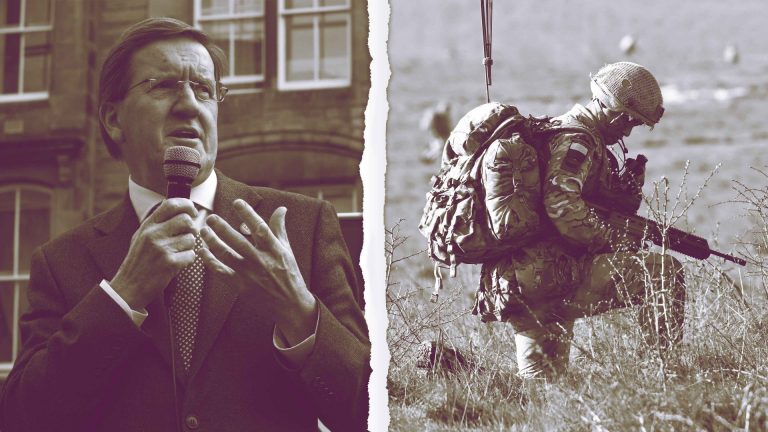
If a former secretary-general of Nato issued a very public warning that the UK’s security was “in peril”, it might be cause for concern. When that warning comes from someone who was also once Labour’s defence secretary and who now accuses the government of “corrosive complacency” over the matter, it should be taken very seriously.
Yet George, now Lord, Robertson dropped his verbal bombshell in mid-April and already it appears largely forgotten. Politicians have chosen to concentrate their attentions on the issue of Peter Mandelson’s appointment as US ambassador. When a change of tone was required, the King’s trip to Trumpland offered plenty of scope. But defence was largely swept off the news agenda.
Robertson is not a natural scaremonger. His fears for the UK come from experience, coupled with the evidence that the US can no longer be relied on to underwrite the UK’s security in the face of threats from several directions.
Admittedly, his decision to go so public with his fears was fuelled by genuine frustration. Commissioned by Keir Starmer to lead the government’s Strategic Defence Review, he delivered the report in June 2025. And yet the government’s investment plan has still not appeared.
Suggested Reading

Former Nato chief goes headfirst into the political swamp
The real problem is money. Starmer has been very clear in the past about his understanding of the dangers faced by the UK, but he struggles to find the cash to even begin increasing the relatively small amount the country spends on defence – just £66bn last year, 2.3% of GDP. If the economy were to spurt up, then increasing the cash going to defence would be easier, but the growth the government has consistently promised remains illusory.
Instead, the prospects look increasingly dire. Inflation is increasing, fuelled by Trump’s Iran war; the Bank of England has warned that interest rate rises will be unavoidable. Welfare dependency shows no sign of lessening and, after losing a skirmish with his MPs over an initial, relatively mild attempt to bring the benefits bill down, Starmer shows no appetite for another round.
Even Reform, while promising to be tougher on welfare to fund tax cuts, dares not admit the ludicrous nature of the triple lock on pensions. Instead, Farage humours older voters by promising to keep the bung in place.
At some stage, the UK will have to confront its deep problems. But what politician would be foolhardy enough to tell an electorate that life is going to get tougher? Churchill was able to declare “I have nothing to offer but blood, toil, tears and sweat”, but that was to a country that knew it was facing years of conflict and had not had time to forget what war meant.
Suggested Reading
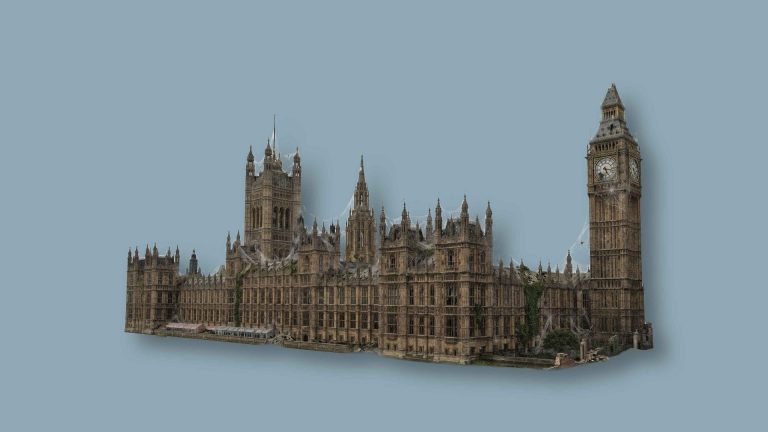

It’s time for Parliament to become a museum
Today, the UK does not want to confront the grim truths. Robertson accused the country’s political leadership of “a culture of corrosive complacency”, and evidence that he is right abounds. It is impossible to walk through our cities without being confronted by rough sleepers. In parts of the US, such sights are equally common, but that country has no welfare state.
Britain does – and yet, according to the latest figures from The Health Foundation, the UK saw healthy life expectancy fall by two years over the last decade. We were one of only five of the richest 21 countries in the world to see a fall, and the UK’s was the second steepest. Perhaps most shameful was the fact that those in the wealthiest areas could expect 20 years more of good health than those in the poorest.

Rising inflation will be felt most by those already disadvantaged. While individual MPs may put up spirited fights to try to improve their communities, their efforts can have little real impact while the scale of the problem barely features on the national agenda. It is easier for politicians to concentrate their attention on the issues that occupy the headline writers.
For Kemi Badenoch and Keir Starmer to be sparring with each other over who cares most about antisemitism is not going to solve the problems that have given rise to the latest round of attacks on Jews in Britain. It also enables them to avoid other topics and allows Starmer to label Zack Polanski unfit for political leadership. More police on the streets might be a sticking plaster for dealing with antisemitic attacks; more effective mental health provision might keep some potentially dangerous individuals from committing terrible acts. But the fact is that both demand funding.
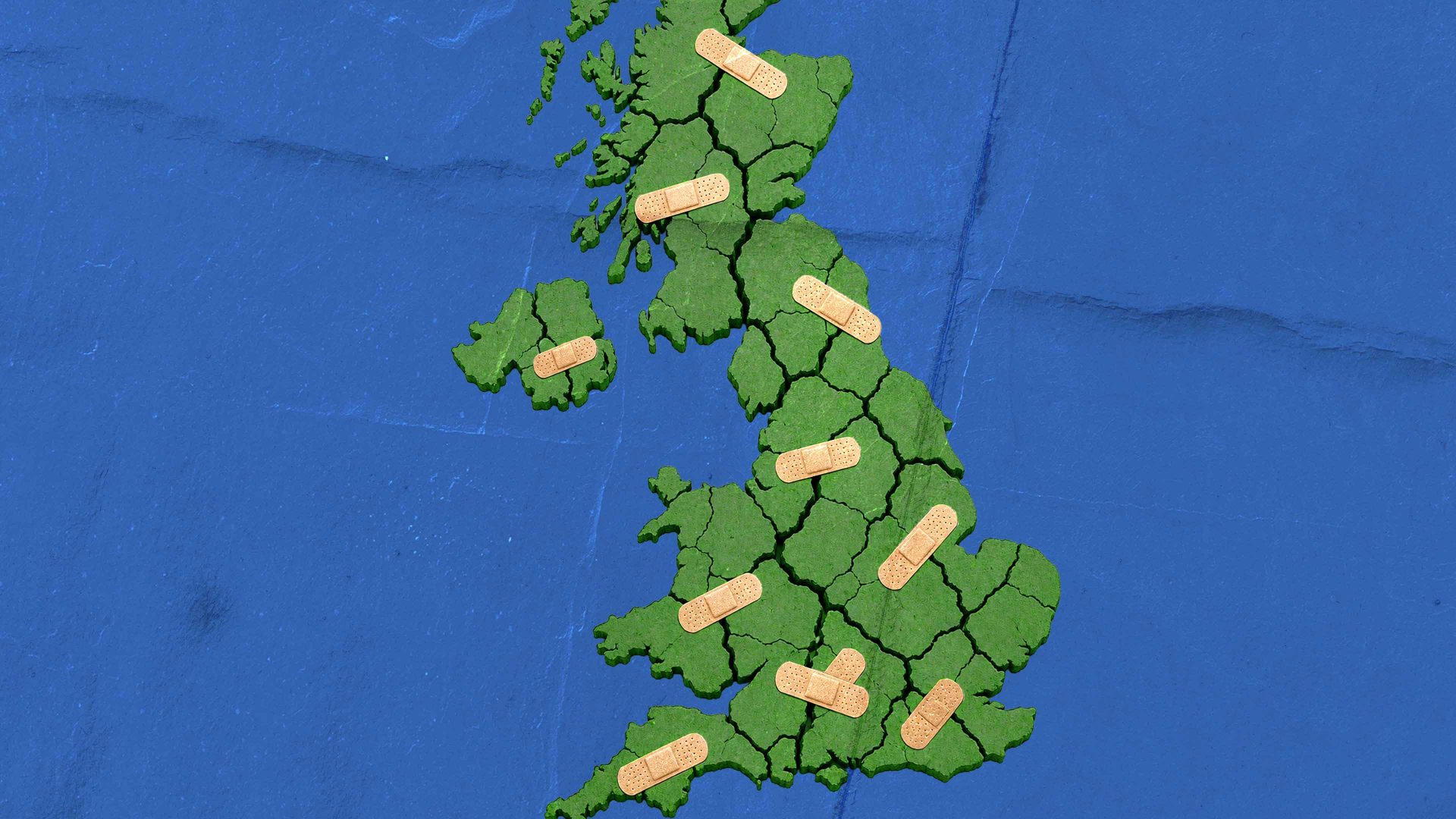
Britain has refused to acknowledge the scale of its economic problems for far too long, opting instead to exacerbate them with the lunacy of Brexit. But the day of reckoning is near. It will be a brave politician who admits it.