
The Jason Arday tragedy has already led to attacks on sociology from right wingers who claim it’s a waste of time or worse. That wasn’t my experience when I studied the subject alongside philosophy and psychology in my first year at Bristol University in 1980.
Even then, the social sciences were under attack. Perhaps the subject has changed beyond recognition since, but I still treasure my battered copy of one set book from that course, Erving Goffman’s The Presentation of Self in Everyday Life.
Goffman gave what he described as a “dramaturgical” account of human interaction, taking seriously the notion that “all the world’s a stage”. He focused on the complex role-playing we all engage in when we encounter one another and have to assess trustworthiness, competence, social status, and more.
We need this information to anticipate how others will behave, yet we rarely have sufficient data to be sure, particularly on a first encounter, and so must infer a great deal from the hints, cues, and markers available. Any discrepant aspects of a performance can undermine the role completely. We intuitively understand this and use a great deal of energy staging a version of ourselves, usually an idealised one, that we want others to read as authentic.
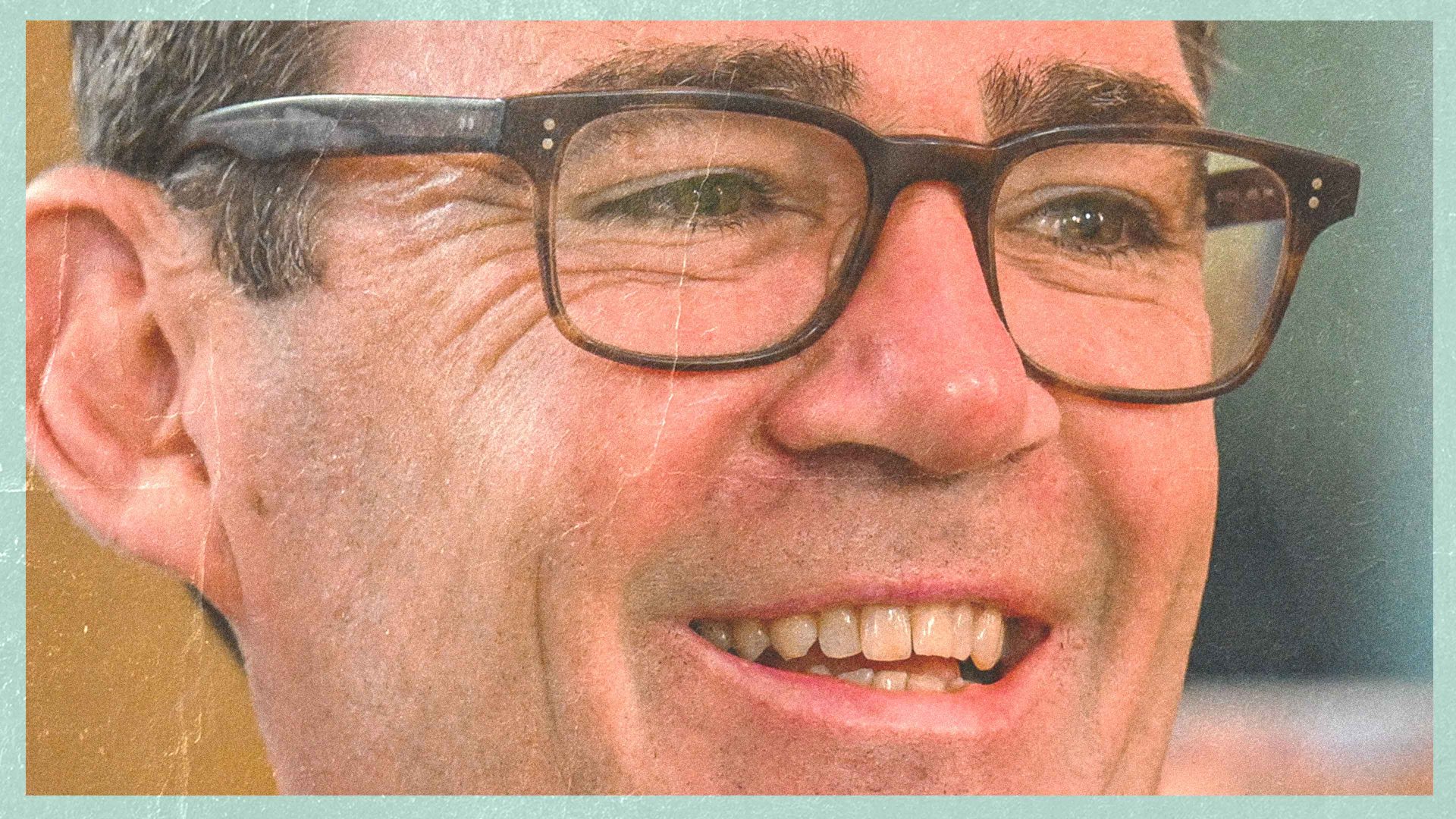
Take a political leader, Andy Burnham, for instance. Most of us don’t know him very well. It’s in his interest that he creates an impression of competence and trustworthiness, but also of being down to earth.
Suggested Reading
The philosopher who couldn’t save Boris Johnson
Goffman distinguishes between the impressions we give and the impressions we give off. The former are based on what we say; the latter can be more important: the non-verbal cues that suggest who we really are. This is as true of each of us as it is of politicians, but the impressions that politicians give off often decide their fate: ask Keir Starmer.
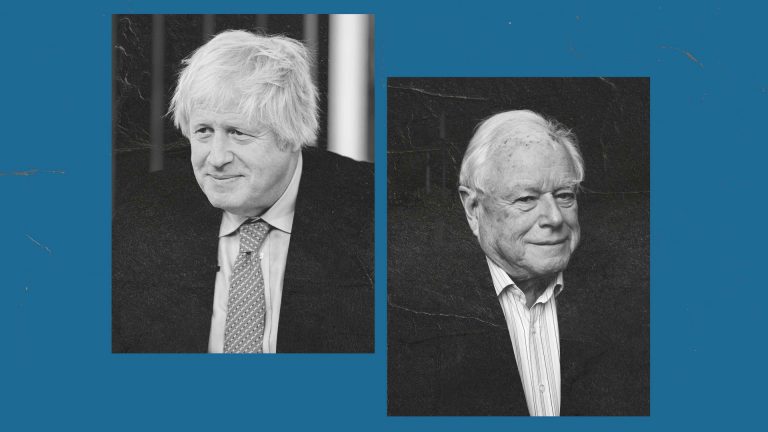
Think too of the impression Boris Johnson gave off when he was seen deliberately ruffling his hair before going in front of the cameras, or when he hid from journalists in a fridge. In both instances he was caught backstage, before his more manipulated role could be performed for its intended audience.
We value authenticity in political figures; any hint of contrivance feels like manipulation. The “I’m just a cheery tousled clown” role was undermined. It revealed him as more calculating, and therefore dangerous.
The discovery that Margaret Thatcher’s authoritative-sounding low-pitched voice was a contrivance of coaching and not her natural register left some people feeling she was more calculating about her impression management than had previously been realised.
Gordon Brown’s warm humanism in public was threatened by a discrepant slip when a microphone was accidentally left on during the 2010 general election campaign, and he was heard describing the 65-year-old Labour voter he had just been speaking to as a “bigoted woman”. He apologised to her, but the mask had slipped.
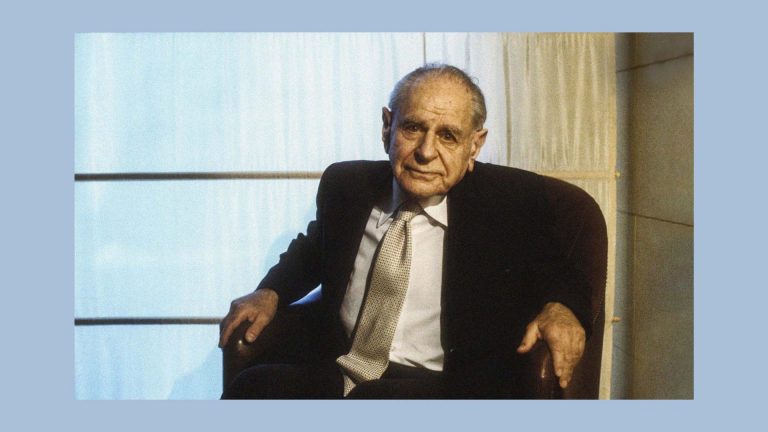
Goffman wasn’t critical of the fact that we engage in complex impression management, judgment, and role-playing: he believed it was the essence of face-to-face interactions. To be a certain sort of person with social status, we don’t just require the appropriate attributes but must perform the expected role of someone who has those attributes, something that Andy Burnham shows every sign of realising.
Jean-Paul Sartre, whose writing influenced Goffman, had a warning, though, about how diverting too much energy into playing such a role can be self-defeating:
“The attentive pupil who wishes to be attentive, his eyes riveted on the teacher, his ears open wide, so exhausts himself in playing the attentive role that he ends up by no longer hearing anything.”