
Aristotle was Alexander the Great’s teacher. Alexander’s father, King Phillip II of Macedon, had sought out the philosopher as the ideal tutor. The lessons ranged from politics and ethics to poetry and biology. What a privilege to have had such a brilliant philosopher as your tutor for three years between the ages of 13 and 16.
There is even a book, the Secretum Secretorum (The Secret of Secrets) that purports to consist of letters from Aristotle to his protege. It’s a 10th-century fake of course, now attributed to “pseudo-Aristotle” rather than to the philosopher, but it convinced many medieval readers: they mined it for wisdom about statecraft, magic, physiognomy, and much more.
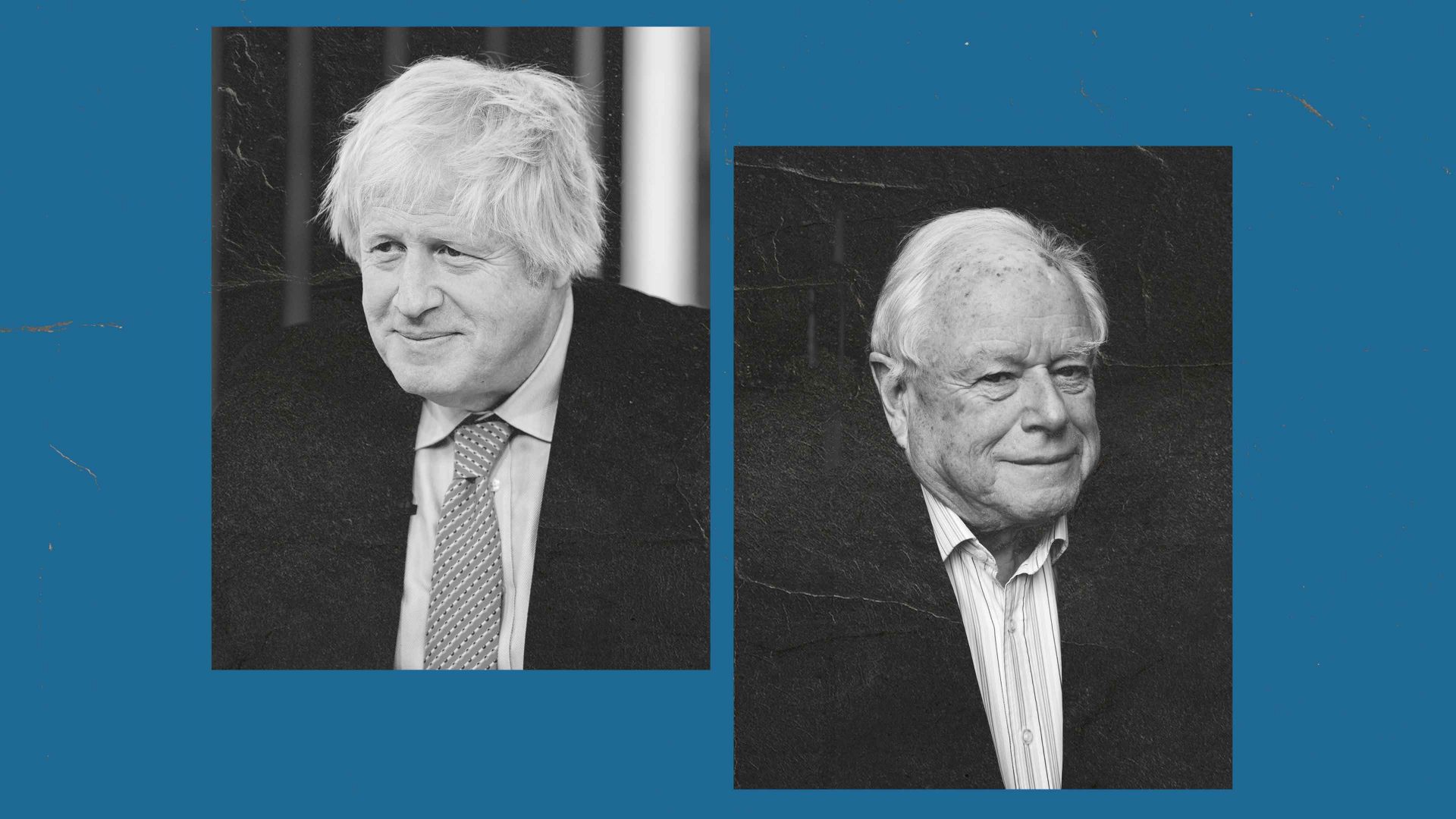
In a strange turn of events, the philosopher Anthony Kenny, who was, among other things, an expert on Aristotle, found himself tutoring a somewhat less impressive leader-to-be called Alexander, one whose pre- and post-Brexit dabblings and failures helped to create the mess we are now in.
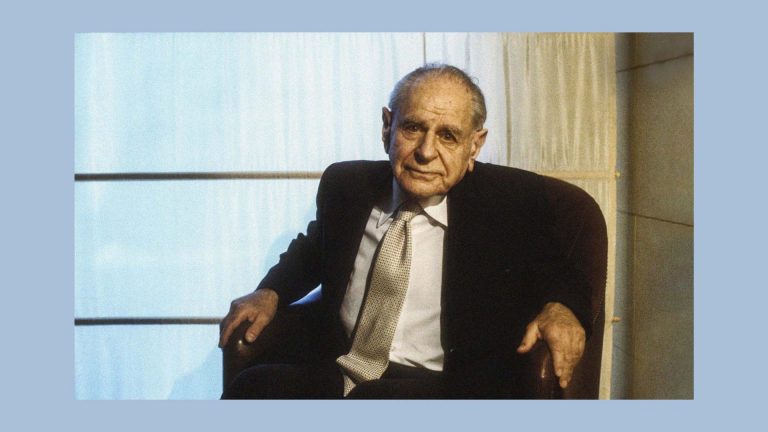
Kenny, who died last week aged 95, first trained as a Roman Catholic priest. However, he soon lost his faith because he saw contradictions and fallacies in the standard arguments for God’s existence.
He became an agnostic and, rather than living a lie of certainty, sought different work. For the rest of his life he was an academic philosopher, sometime university administrator and head of an Oxford college. He specialised in medieval philosophy, particularly the work of Thomas Aquinas, but had wide-ranging interests, including in Ludwig Wittgenstein.
It was in Oxford in 1987, where he was then master of Balliol College, that Kenny was approached by a final-year undergraduate, Alexander Boris de Pfeffel Johnson, who, though passionate about the classics, was in danger of failing to achieve the first-class degree in that subject that he seemed to assume was his birthright. He had focused hard on his studies for most of the final six weeks of the course, so why shouldn’t he get a top degree?
Johnson had already sat his examinations and taken off for France, but then had been recalled for a viva to decide on which side of the 2.1/First borderline he would fall. His regular tutor was abroad, so the plucky Johnson knocked on Kenny’s door and politely asked him to help him revise Aristotle. Kenny, whose role no longer included teaching, generously gave up most of a day to discussing likely interview questions and how Johnson might field them.
Suggested Reading
An eye for an eye can never be justice
I had a conversation with Kenny about this when I met him at a book launch many years afterwards. He told me with a twinkle in his eye that although this cramming session was meant to be revision, it was as if Johnson were encountering the topics they covered for the first time. He hinted that Johnson might have an exceptional talent at getting away with last-minute preparation, but he hadn’t left himself enough leeway to achieve the result he wanted. Johnson emerged from his viva with a 2.1. I doubt that surprised Kenny.
Later, after Johnson had done much damage to the country, the master of Balliol reflected on what many would see as Oxford’s failure to educate him in what really matters. Johnson had retained a passion for the classics, yes, but had they taught him truthfulness? No. Had they taught him wisdom? No. In important ways they had failed.
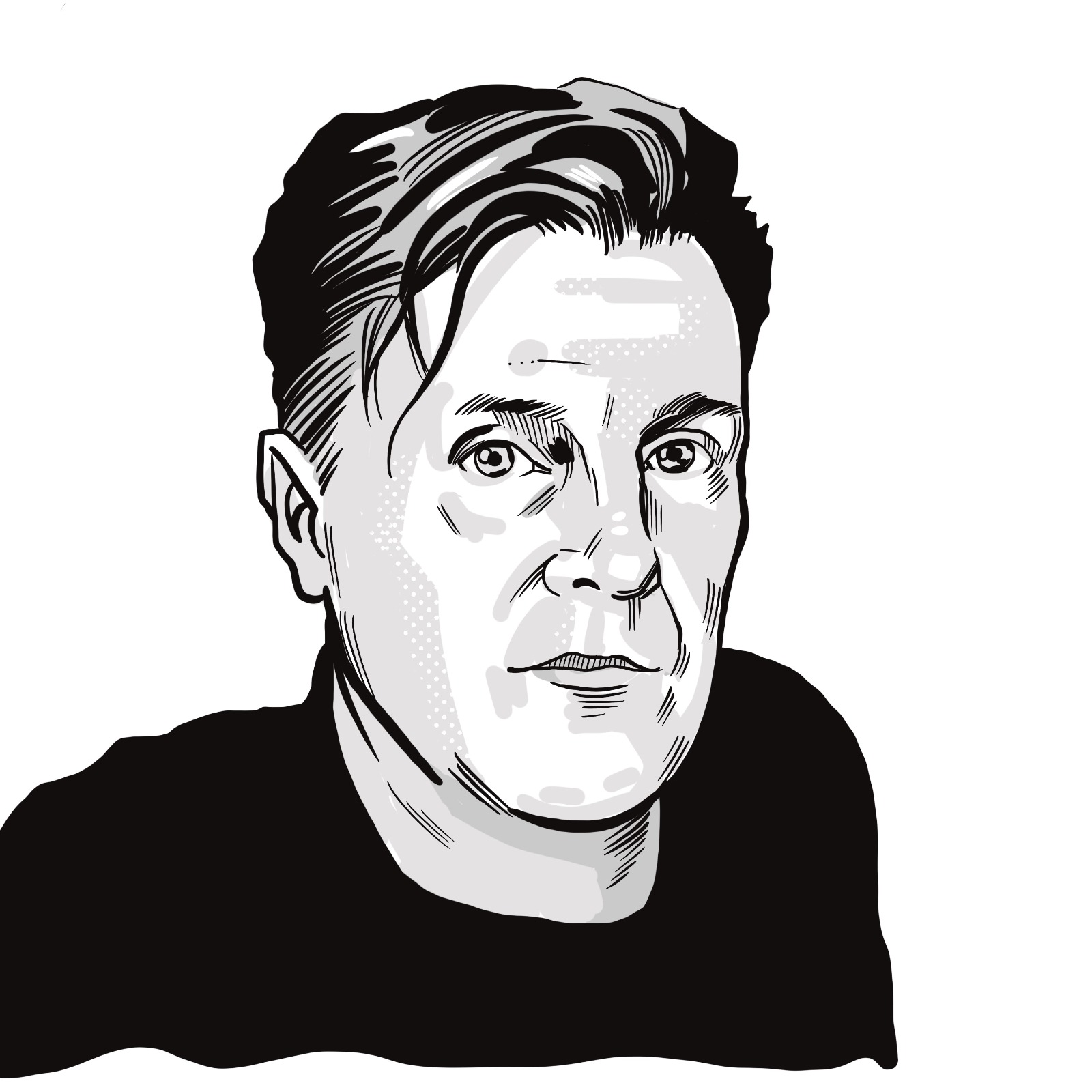
A younger graduate of the same Oxford University classics course might give us more grounds for hope that studying Aristotle can make you a better person: Jon Harvey, the comic writer standing for election in Clacton as Count Binface. Now there’s a political figure I do respect.