
There is no Nobel Prize for Philosophy. Philosophers who have won a Nobel, including Henri Bergson, Bertrand Russell and Albert Camus, all won in the Literature category. Jean-Paul Sartre won in 1964 too but refused the award: his writing should stand by its own merits, he thought.
Sartre was consistent in rejecting other prizes foisted on him. The British philosopher Mary Midgley turned down an OBE – she had previously declared herself proud not to have a PhD, and was sceptical about all titles and honours. Other philosophers have been delighted to receive public recognition and sometimes substantial prize money, too.
In the UK, Isaiah Berlin, Bernard Williams, Anthony Kenny, Roger Scruton, and Richard Sorabji all accepted knighthoods and Onora O’Neill a life peerage. Mary Warnock and Iris Murdoch were Dames. Other philosophers have CBEs and OBEs.
The higher tiers of the British honours lists are skewed towards those philosophers with an Oxbridge connection. Given the strong whiff of corruption and nepotism hanging around these honours, and the taint of empire in the names of many of the titles bestowed, it’s surprising more philosophers haven’t declined these gongs.
In the absence of a Nobel Prize for Philosophy, and given such qualms about British honours lists, are there other major prizes worth winning for philosophers? Two stand out: the Kyoto Prize (whose recipients have included Karl Popper, Paul Ricoeur, and Jürgen Habermas), and the Berggruen Prize (past winners include Peter Singer and Michael Sandel).
Suggested Reading


Russell Brand and the strange power of “open secrets”
Charles Taylor and Martha Nussbaum have done the double and won both, each of which delivers not just honour, but also substantial prize money (Y100m for the Kyoto; US$1m for the Berggruen). So there are at least two counterexamples to the suggestion that no one makes much money from being a philosopher.
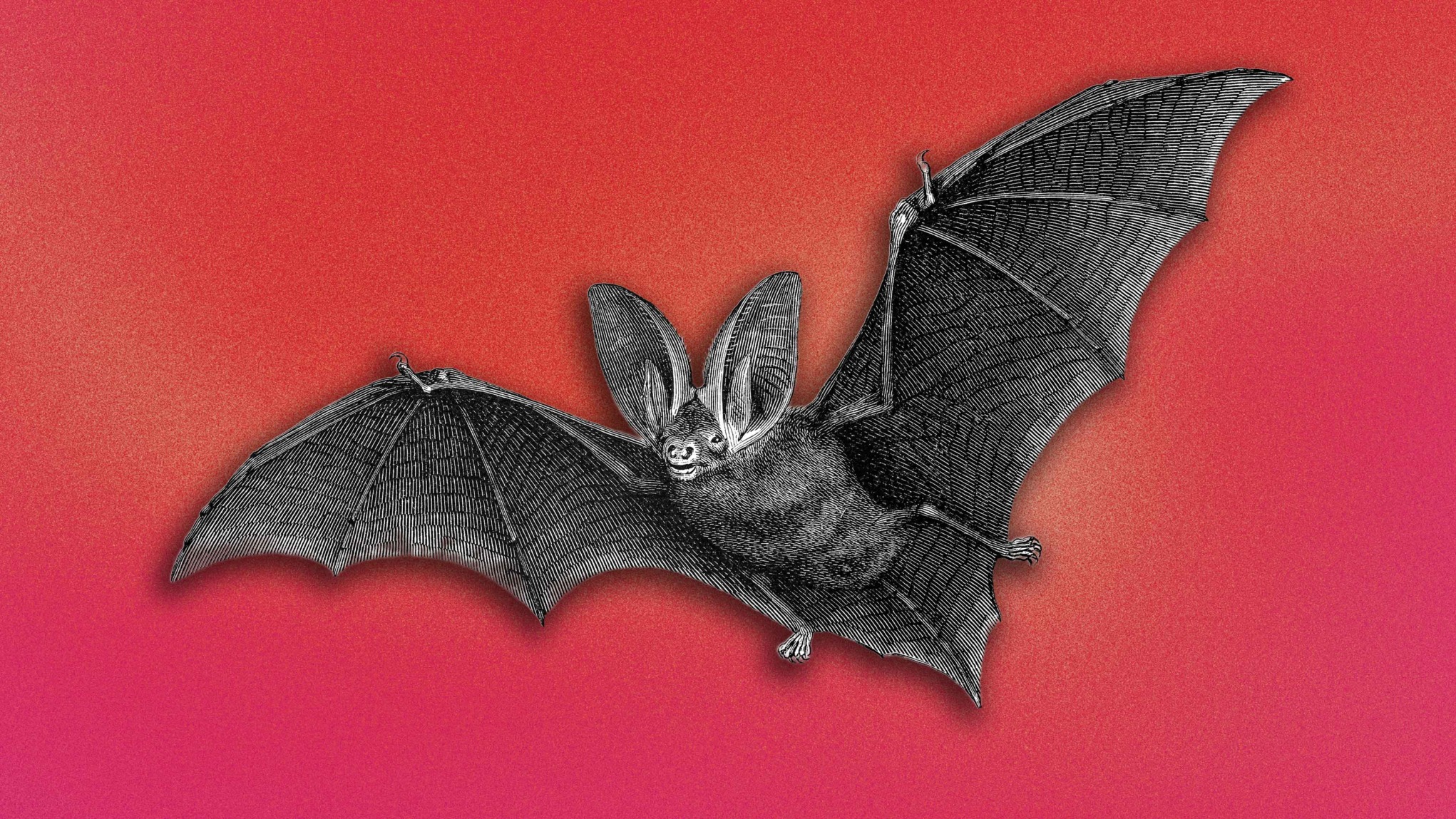
This year’s just-announced Berggruen laureate and instant dollar millionaire is Thomas Nagel. Now 89, he is best known as the author of the influential 1974 paper “What is it like to be a bat?” He has written on many other subjects too, but it is this hit single that keeps getting replayed. It has made a recent comeback because of claims about AI consciousness.
Partly inspired by his encounters with bats that found their way into his summer home in Pennsylvania, Nagel’s principal focus was on subjective experience, which is the essence of conscious states. We believe that bats are conscious, but the only way we can imagine what it is like to be a bat is to imagine what it would be like for us to be a bat; but that’s not what it is like for a bat to be a bat.
Suggested Reading

Taking football lessons from Albert Camus
There is something opaque here that consciousness researchers needed to acknowledge. What it’s like to be a bat is not straightforwardly characterised by physical description of the bat’s central nervous system and echo-location apparatus; it eludes our projective imaginative understanding too.
The general problem of investigating consciousness, Nagel thought, had to take into account the subjective feature of all consciousness, and recognise that no serious progress in understanding the phenomenon would be made until we had a better analysis of subjective states in general and how they relate to the objective ones which are the traditional domain of science. Scientific analysis of consciousness had focussed on physical and functional aspects of the brain, but Nagel’s paper suggested that this left out the most salient feature, subjective experience itself.
In case you think Nagel is about to follow up his 1974 single with “What is it like to be ChatGPT?” or “What is it like to be Claude?”, that won’t happen. In a recent interview he declared it ridiculous that philosophers are taking seriously the idea that LLMs might be conscious.
Perhaps one day we’ll encounter alien beings with something analogous to our own nervous systems that are indeed conscious, but we haven’t just created some.