
The British government is investing in a nuclear fusion business in which Donald Trump is part-owner, The New World can reveal today.
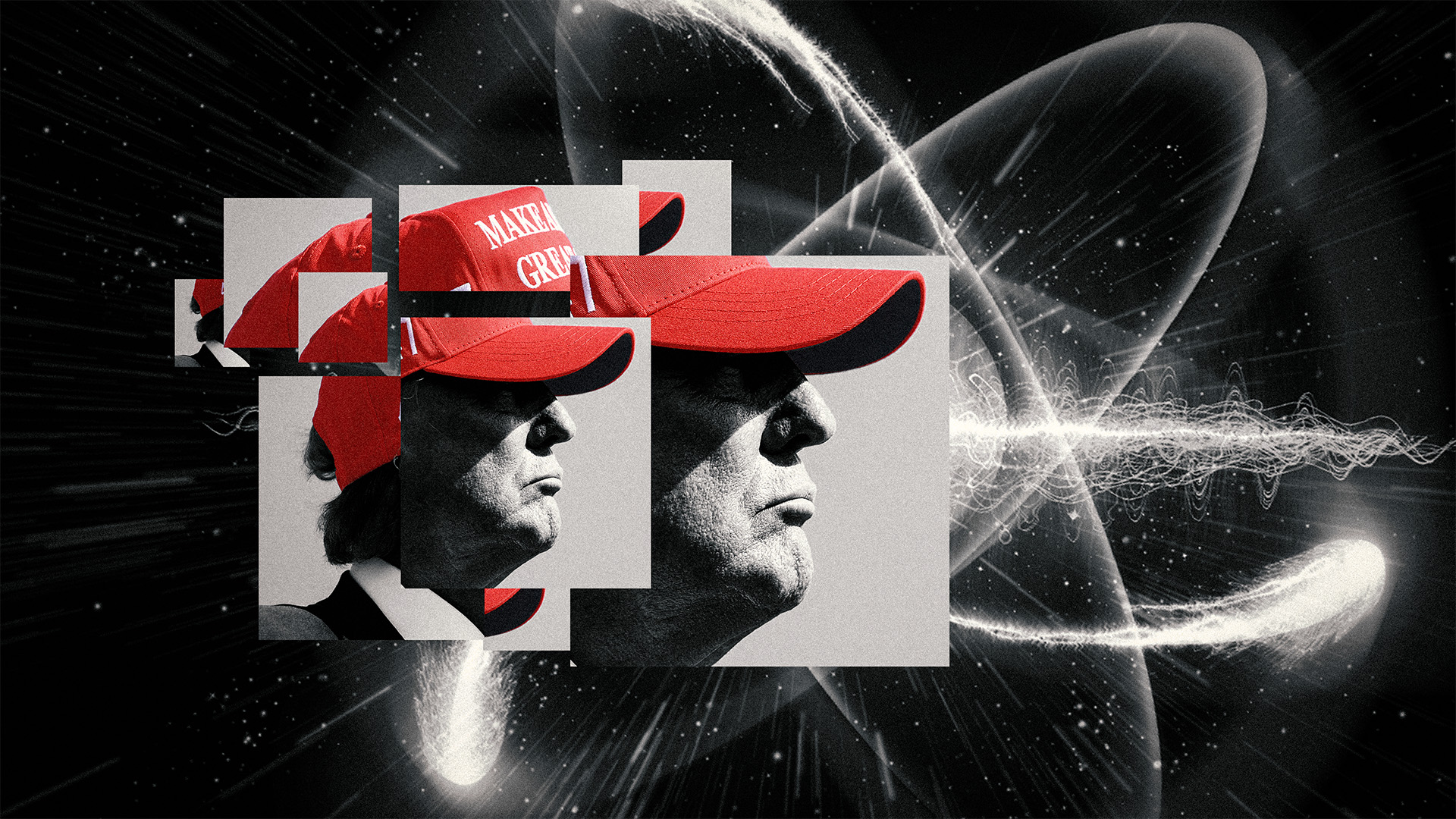
Last month the government finalised a deal to create a joint venture researching nuclear fusion with the US company TAE Technologies – which is currently in the process of merging with the US president’s Trump Media and Technology Group – the parent company of his Truth Social social media network.
The joint venture, which focuses on developing particle accelerator tech for fusion and involves an initial equity investment of £5.6m of public funds, was announced on December 2 last year, at which point Trump’s involvement was not known.
But just 16 days later, TAE Technologies made another announcement: that it was merging with Trump Media and Technology Group, resulting in the UK government’s investment now being with a company part-owned by the president.
Green Party leader Zack Polanski condemned the joint venture and told The New World that the UK government should urgently reconsider it.
He said: “First Labour hands over public services and NHS data to Palantir, whose founders talk like cartoon villains about their plans for global political influence. Now it is reportedly investing millions of pounds of public money in a nuclear fusion company that is merging with Donald Trump’s business empire.
“Donald Trump has repeatedly shown contempt for democratic norms, undermined international alliances and used economic relationships as political leverage. Britain should be reducing its exposure to Trump-linked corporate interests, not deepening it.”
Asked if a company merging with Trump Media and Technology Group was an appropriate partner for the British government, a spokesperson said, “The UK is leading the way on fusion energy as part of our clean energy mission. The joint venture between the UK Atomic Energy Authority and TAE Technologies will create high-skilled jobs and establish a critical supply chain in commercial fusion.”
Suggested Reading


The trial of Donald Trump
The government claims the joint venture went through the usual regulatory and due diligence processes, but did not say whether they were made aware of the prospect of the merger – which must have been known about by TAE bosses at the time of signing – before the deal was signed.
Nor did the government clarify whether or not the contract went through the Enhanced Due Diligence process required when a deal involves what is known as a Politically Exposed Person, such as Trump and his family, several of whom are major shareholders in Trump Media and Technology Group.
Trump Media and Technology Group was founded as a parent company for Truth Social after Donald Trump was banned from Twitter in January 2021. As well as the social network, it also has ventures in cryptocurrency.
The Trump media group’s merger with TAE is a curious strategic move for a company with no previous scientific aims or assets.
The Trump company lost almost half a billion dollars in the first three months of this year and generated less than a million dollars in revenue, the Guardian reported.
Nuclear fusion is often referred to as “clean” nuclear power. Instead of harnessing the heat from splitting heavy metal atoms as in fission (the tech behind current-generation nuclear power), fusion works by combining two atoms, usually isotopes of hydrogen. It is much safer – unlike fission, there is no risk of a meltdown-style accident – and doesn’t require dangerous fuel materials like uranium. But it is also much more difficult to do.
Suggested Reading


The White House UFC fight will have one loser: Trump
The first fusion reaction with a net “energy gain factor” above one, meaning that it produced more energy than it consumed, wasn’t achieved at all until 2022. Commercial fusion power is often said to have been “30 years away for 30 years”, and public enthusiasm about imminent clean fusion energy is something of a running joke among physicists. As a result, the sector is often treated with scepticism by serious investors, concerned that many startups in the area make dubious claims, and often rely on so-called “dumb money” for their funding.
That hasn’t stopped it becoming an obsession for Silicon Valley startups, especially in an age where the energy consumption of data centres has become a hot-button political issue. On June 6, Helion, a fusion power startup backed by OpenAI founder Sam Altman, raised $465m in new funding at a valuation of $15.5bn.
Polanski called on the government to publish all the details of the due diligence process for the merger, and to explain what assessment of the risks was done before the partnership was allowed to proceed.
Nicky Woolf is a US-based writer and podcaster
 Most popular


My day out with Danny Tommo

I was at Eton with Charles Spencer – this is how it explains his battle with the royals


Emily Maitlis’s diary: Trump doesn’t fear the AI apocalypse – but he’s terrified about the midterms


Memo to Burnham: this is how you beat the populists