“Restore Britain Makerfield is about putting one group of people first, every single time. The British people. Local people,” the advert runs. “Patriots”, shouts the copy in several other ads, punted into the feeds of tens of thousands of constituents for less than £500 paid to Meta.
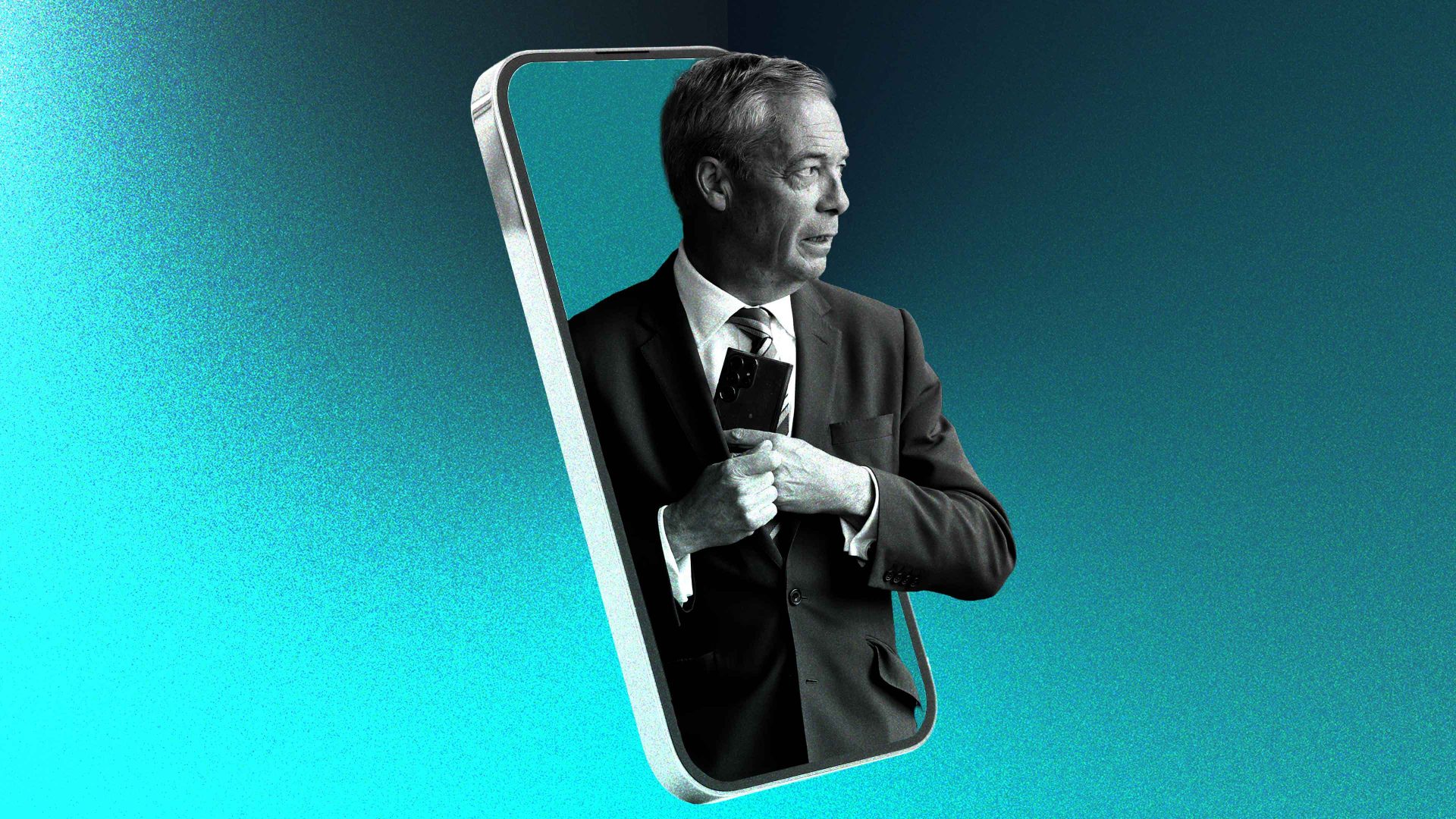
Elsewhere, an ad from Nigel Farage features an AI-generated image of surprisingly-cheerful looking migrants on one of the infamous “small boats”, holding pro-Burnham placards. The accompanying copy tells voters that “Andy Burnham is for them, not you. Vote Reform in Makerfield.” Welcome to political campaigning in 2026.
At the recent local elections, both Labour and Reform spent over a quarter of a million each across Meta and Google. In the 2024 general election, these platforms accounted for more than half of all party ad expenditure, running to tens of millions in spending. TikTok technically doesn’t allow “political” advertising – though how this plays out is not always consistent – and X was lousy as an ad platform even before it was turned into a far-right playground and is not generally considered a worthwhile place to spend.
Which perhaps makes the regulatory picture around social media and political advertising surprising – specifically, the lack of meaningful rules about what you can say. One might charitably describe the current landscape as “fragmented and light-touch”. Social media advertising is bound by spending limits and disclosure requirements about who is paying for what and how personal data can be used for targeting. But there is no requirement that what is shown to voters in the run up to polling (or indeed at any other time) is factually correct.
Suggested Reading

Our ‘pure cold rage’ should be at Farage and Robinson
Under Advertising Standards Agency codes, claims in political adverts in non-broadcast media are not subject to the normal consumer-facing standards which apply to ads on broadcast media that ads must be “legal, decent, honest and truthful”. Which means that, on Facebook, you can say whatever you like about your party, your candidate and the opposition, and the ASA can’t do a single thing about it. There are no requirements for a national database of digital and social media advertising for political parties. Why?
The problem, says Sam Jeffers of Who Targets Me?, is partly that platforms don’t want to be regulated. “The EU regulated political ads in 2024-25 and as a result the platforms pulled out of political advertising in the EU in October last year. Basically they looked at the regulations and decided that the cost of compliance – changing some features, becoming more transparent – outweighed the value of the market.”
Banning political advertising on social media, says Jeffers, simply creates a new, grey market. When there are no official ways for parties to guarantee reach, they will explore alternative means, which is why the grey area of influencer work is attracting so much unofficial political money. “By ‘banning’ political ads, TikTok obfuscates what’s actually being done on the platform and creates a dark market. The prevalence of vertical video over the past few years makes it very tempting for political players to manipulate – and while it’s expensive, and hard, to try and win the algorithmic jackpot, paying an influencer with a guaranteed audience is a tempting proposition.”
Effective regulation isn’t easy. Attempting to apply robust, real-time factchecking to hundreds if not thousands of individual ads, many of which will be videos, is no small task, even leaving to one side the UK’s current, curious relationship with the very concept of “facts” and who determines them. But Jeffers says there are some simple steps that will help make the situation less murky.
Suggested Reading
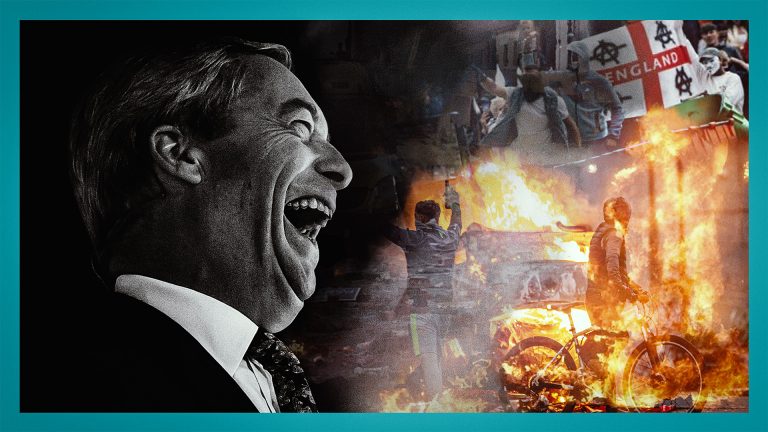

Nigel Farage and the politics of murder
“We’re in this ironic situation where Meta felt it had to do transparency better than anyone else when it came to political advertising, meaning that it does have a searchable, historic database of what has been bought by whom. The data is often delayed, the search is a bit broken, but, basically, it’s functional.”
“It shouldn’t be too much to ask to set that as a baseline: to say ‘that’s what we expect of everybody’. We don’t want you to make any other changes to your product, let’s just codify that transparency. It says to someone like TikTok, ‘here’s what you have to do to have a compliant product’, and it lets us move away from all this off-book, grey area stuff around influencers to a point where you just have an ad library and some transparency and some process around verification of advertisers.”
There is some legislative movement on this. Labour’s Emily Darlington has proposed an amendment to the Representation of the People Bill currently moving through Parliament, which would create a “repository of online political advertising”, with clear legal standards.
The recent Rycroft Review into foreign influence in UK elections recommended a full ban on foreign political advertising. It also proposed adding information about who paid for an ad, not just who “promoted” it, and bringing influencers inside the definition of paid political advertising. It also suggested that the government should work with platforms “to extend the practice and to achieve consistency in how advert libraries are presented”. This won’t fix political social media advertising immediately – but it will improve it.
The arrival of AI makes this situation even more urgent. Combine that with Sri Lankan slop factories incentivised to flood social media with ragebait propaganda, and influencers taking up extremist positions because of the monetised algorithmic kick, and it’s not hard to see how complex the situation will become.
Jeffers, who has been monitoring the situation for a decade, believes that the lack of action is part of a wider lack of care that’s being shown for the media over all. “There are all these interesting philosophical questions about how we promote a healthy information and media environment, things that go way beyond a teen social media ban. We need a much more thoughtful approach to developing an ecosystem that serves the national sociocultural interest.”
“In a sense this was something that felt like it was done over the years during the emergence of TV and radio, but something we have failed to do over the past two decades. There needs to be a first principles conversation that addresses the fact that we currently have a dysfunctional system, a mad free market that doesn’t serve the public interest.”
Meanwhile, in Makerfield, what can be seen from the limited view of the next few weeks of paid social media campaigning is a big Restore Britain presence. At the time of writing, data from Who Targets Me? shows their spend is comparable to the Labour campaign in the area. It also seems that this is pushing Reform further towards the right in its messaging.
After Nigel Farage ran an ad in which he complained about Brits being “replaced with goat herders from Afghanistan” in the run-up to the local elections, his party has now shifted to openly advertising “MASS DEPORTATIONS” to potential voters. We should, at the very least, be able to ensure we can see what is happening, even if we seem powerless to currently stop it.
 Most popular

Suella Braverman’s book has sold only 106 copies. This is why
The Brexit majority has gone for ever – rejoin now has a majority of 9 million
The mask has slipped – now we can see the real, shameful face of Reform

The riots in France are being stoked by Russia and Iran