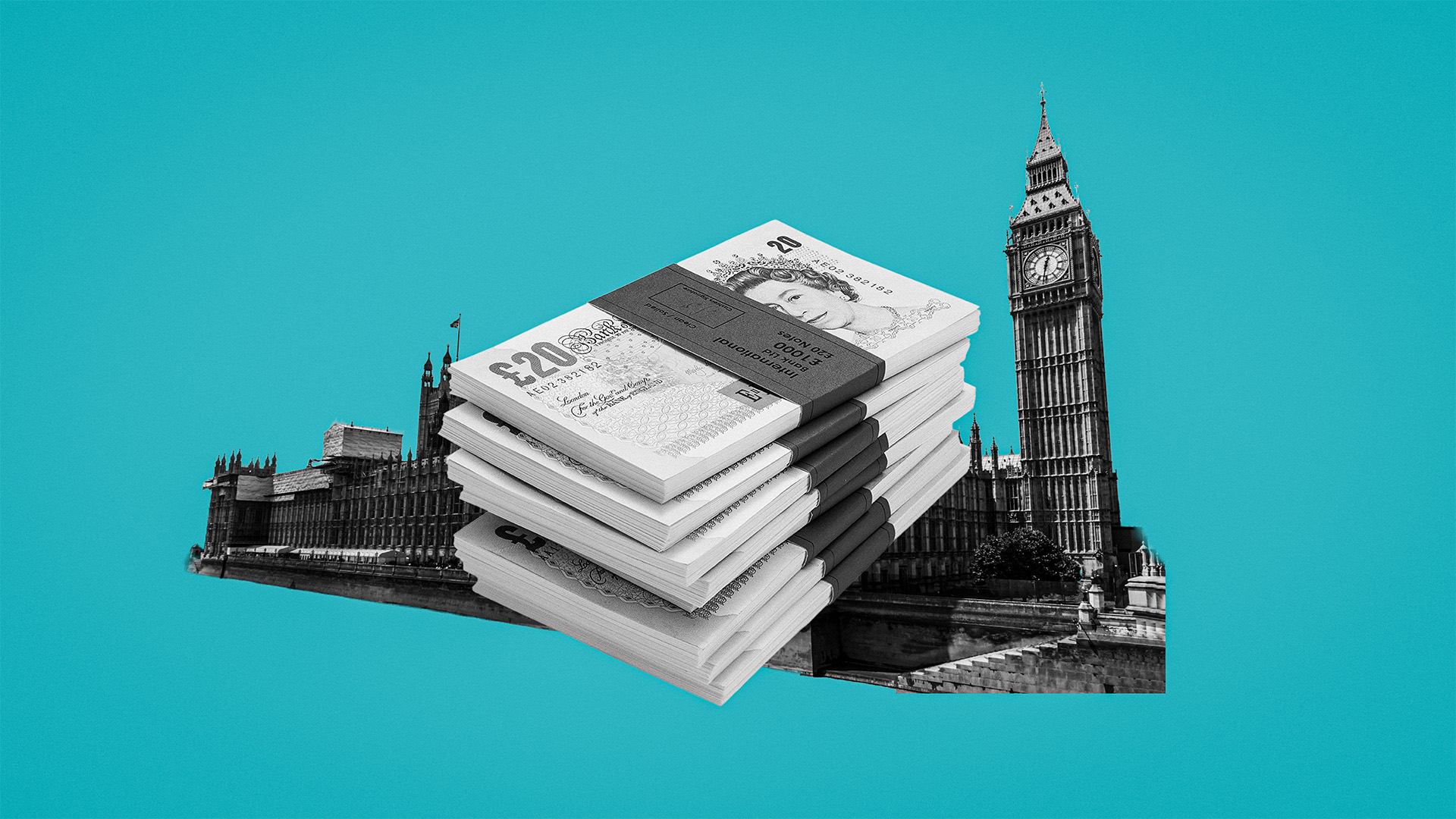
Britain’s voters agree on relatively little, but one issue can bring them together, and it’s what their members of Parliament get up to. From Reform to Labour and the Conservatives to the Liberal Democrats, the idea that politicians get to go on endless free jollies is roughly as popular as a bout of cholera.
The last time the topic made the headlines was during “freebiegate” in 2024, not long after the election. Keir Starmer and several of his senior cabinet ministers had been found to have accepted various gifts and hospitality from a number of sources, ranging from the dull to the eyebrow-raising. Describing the scandal as the beginning of the end for his administration would probably be pushing it slightly too far, but the story definitely marked the end of what had already been a short and half-hearted honeymoon with the electorate.
A few months afterwards, chancellor Rachel Reeves pledged to never accept free concert tickets again, and other government ministers either followed suit, or boasted about the fact that they’d never accepted them in the first place. Was this the end of the story? No.
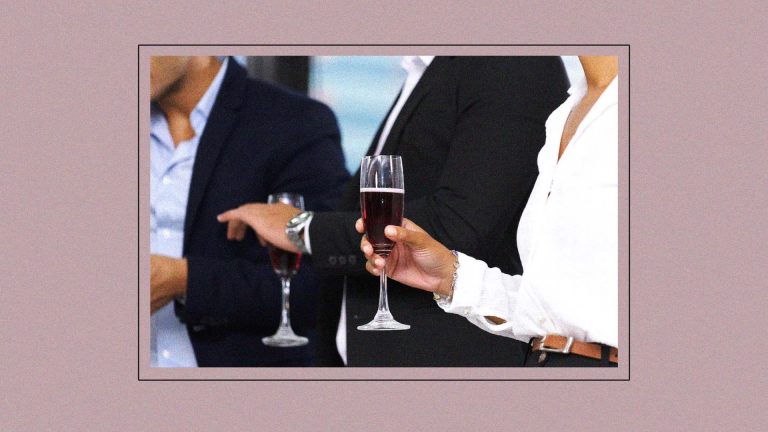
Earlier this week, parliamentary freebies made the headlines again, as MPs’ registers showed that, between January and July this year, they had already accepted £400,000 of complimentary tickets, hospitality and other gifts. By comparison, the figure for the entirety of 2025 was around £300,000. What was that again, about things only getting better?
This specific iteration of the row hasn’t quite got nuclear yet – perhaps as a result of it being August, and people not wanting to get too irate while sitting on their sun loungers. Still, it seems worth stopping for a moment and thinking about what this story reveals, and what ought to happen next.
Firstly – and somewhat controversially – an obvious question would be: are MPs really doing anything wrong? Going to, say, the Brit Awards or Wimbledon on someone else’s dime isn’t actually against the rules, as long as they properly declare it. It isn’t clear that they should be penalised for doing something that they are explicitly allowed to do.
Secondly, and relatedly: what’s the harm anyway? Of course, “the public hates it” is one reason to stop doing something, as democracies rely on the goodwill of the population, but assuming that optics should always dictate political behaviour can make us veer dangerously towards populism.
Then there is the most difficult question, namely: what exactly are those firms getting out of it? Tech companies, lobbying agencies, banks, campaigning groups and betting companies probably aren’t spending all this money on taking MPs out to events for no reason. If there genuinely was no potential professional upside to, say, taking a cabinet minister out to watch the tennis, then no-one would be doing it.
Finally and, in some ways, most importantly: can’t we just trust our lawmakers at least a little bit? Because MPs declare everything they receive, authorities, journalists and voters get to see whether they’ve been swayed by freebies or not. If they have, it will more often than not turn into a story, and rightly so. If not, then we can only come back to the second question, and ask again: what is the big deal anyway?
Is it “politicians should not be having any fun”? If so, that just isn’t a strong enough argument to change the rules?
MPs may have access to nice things that most people will not get, but they also have to deal with their own unique problems. Your average Joe won’t be going to the Ivor Novello Awards, sure, but does he have to work from two different offices every single week, and are those two offices hundreds of miles apart? Does he often have to work late into the night, and run the risk of losing his job very suddenly every five, or four, or three years? Does he receive death threats most weeks?
Suggested Reading


The TV documentary that gets ADHD all wrong
If we are to be a mature democratic country, then we must accept that every single job will have upsides and downsides, and working in Parliament is, in that respect, a job like any other. If anything, it is a profession that should be attractive to some of our best, if we hope to be governed properly.
Instead of demanding hairshirts for our lawmakers, we should actively think of ways in which to make the job sound appealing even to people who would have many other options elsewhere. Failing to do this would only result in mediocre parliamentary intakes, and increasingly poor governance.
Really, we should be thanking all those companies vying for our MPs’ attention, as those jollies, in an odd and indirect way, may well be making our political class better, and without us taxpayers having to spend a penny.
 Most popular

My truly deranged encounter with Trump apologist Kellyanne Conway

The moral depravity of Robert Jenrick

Is this the real reason Trump keeps falling asleep in public?

Suella Braverman’s book has sold only 106 copies. This is why