
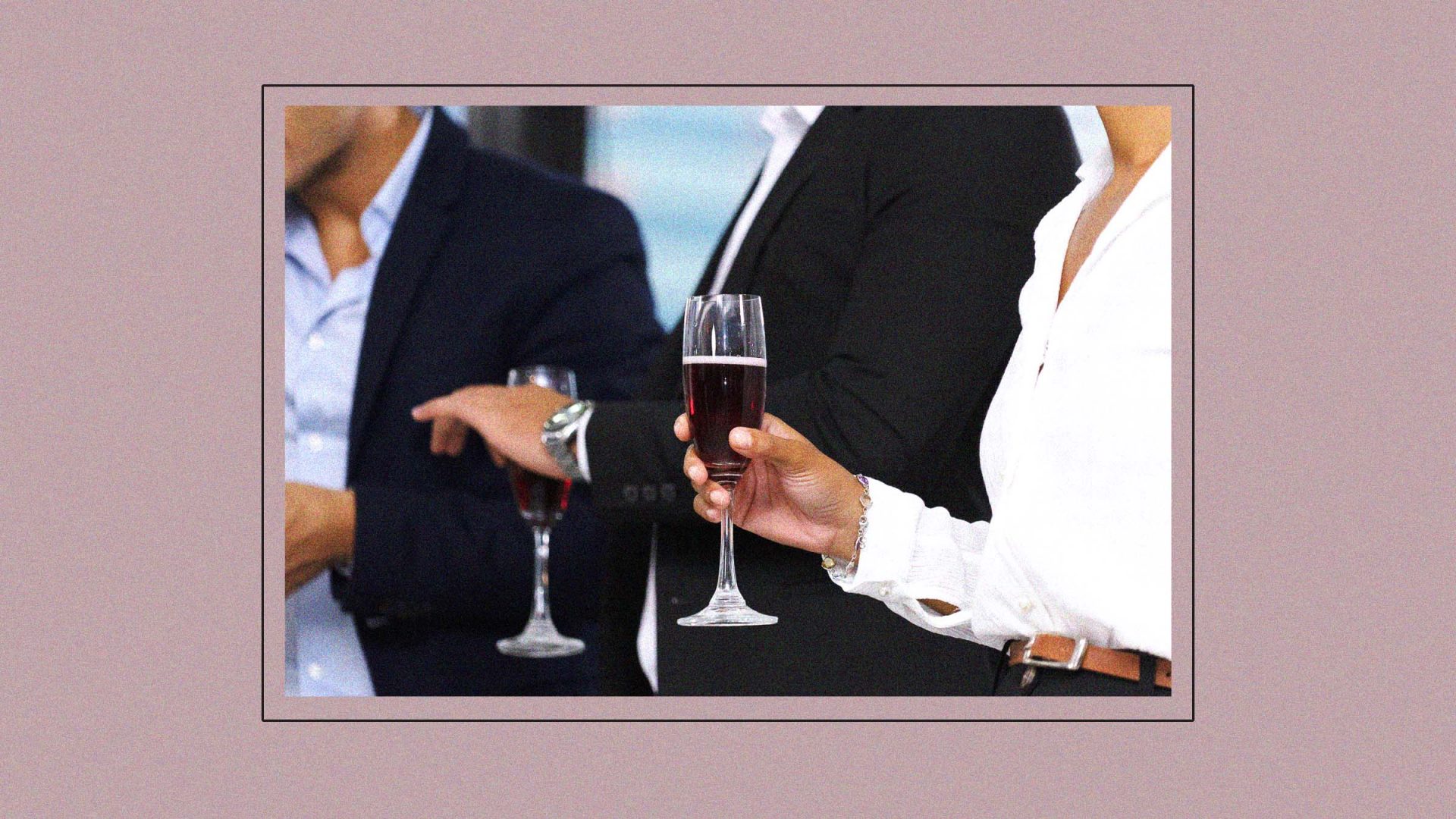
One headline went for: “MPs’ drinking culture in parliament slammed in new report”. Another decided to lead with the (admittedly hair-raising) fact that some MPs drink so much in Westminster that they’ve had to have their stomach pumped. Some social media users suggested that the new Green MP Hannah Spencer had been right to criticise Westminster’s odd, anachronistic 24-hour-party-people atmosphere.
Both stories came from a new piece of research published by the Institute of Alcohol Studies earlier this month, in which they surveyed 190 MPs, their Commons staff and the people who work for them in their constituencies. They also interviewed 22 MPs and parliamentary assistants.
Now, to be clear: what they found was troubling. “Westminster is a unique workplace where alcohol is woven into the working environment,” they wrote. Alcohol harm is common. It affects both the drinkers and the people around them, and few people working in the palace would feel comfortable trying to speak to, say, a colleague about it. Because of the unique set up of the parliamentary system, it’s often unclear who has a duty of care – if anyone.
According to them, the culprits are… well, I could tell you myself. I used to drink there. Sorry, I mean: I used to work there. If you spend time in parliament then you will see that every day the house sits, there will seemingly be one million different events happening around the estate.
Many of those events – beginning at around noon – will be offering free alcohol. It’s a vicious cycle: the more that receptions offer cheap wine as a way to draw people in, the more organisers feel they have to keep up, as otherwise their own reception will seem less attractive.
What this means in practice is that it’s perfectly possible to swan from one place to the next, getting sozzled without even meaning to. Because I did all this in my 20s, I very much did mean to get sloshed, but I can absolutely see how it may happen nearly by accident. Again: it’s woven into the working environment and, if everyone around you is going at it, then you might as well join in.
Though I really did have fun in those years, boozing on the job and occasionally making a joyous tit of myself, I worry that the response to the report will mostly focus on the excesses, and not what lies behind them. Away from the eye-catching anecdotes, the research does make it clear that MPs’ loneliness, stress and long hours are often responsible for their irresponsible drinking.
Of course, banning, say, alcohol from the palace until 5pm every day really ought to be a no-brainer, but it still wouldn’t address the core issues. Politics is a tough and often bruising business, and many of the people who come into it arrive in a city they’ve either never lived in before, or only know vaguely.
They may not have any friends there, and their family is likely to be hundreds of miles away. They’re expected to hang around the estate until the early hours, often with little to do but wait to vote, or perhaps look at their inbox and social media accounts, both of which will be filled with abuse. Parliament may be hectic and seemingly exciting from afar, but it isn’t really a happy place.
Annoyingly, there are no easy, gimmicky ways in which to solve any of this. Ending late sittings could be one possible idea, and beefing up MPs’ staff would be another. Electronic voting worked during the pandemic and could be brought back.
All of those would take some time, though, and may not be popular with the public, who will rightly feel that lawmakers have bigger fish to fry. In any case, it helps no one to pretend that shameless MPs are merely living it up at the taxpayers’ expense.
As often with psychoactive substances, it’s actually a bit more complicated than that.