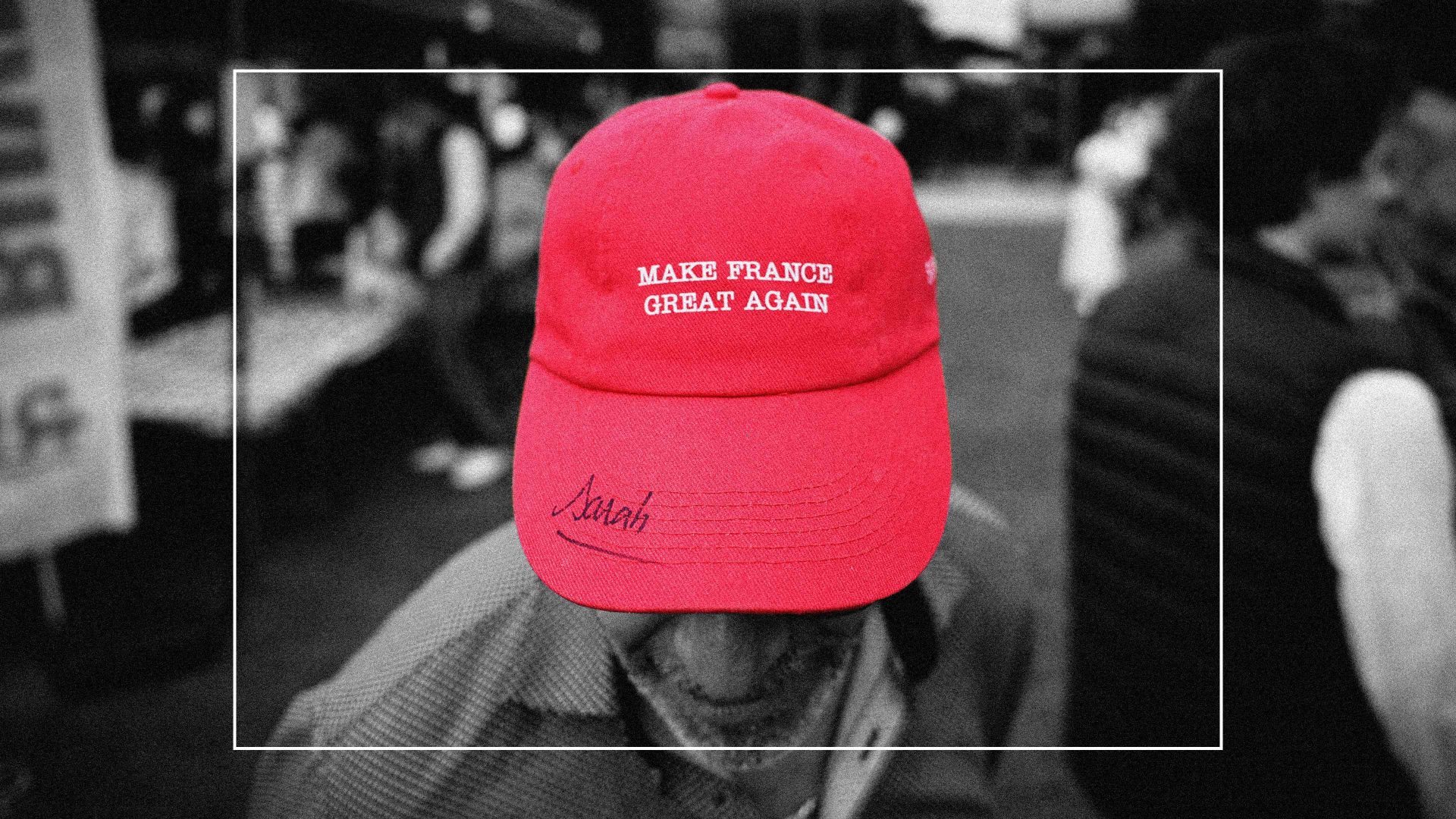
In a way, the name may be the saddest thing of all. The “united left” is currently going through its primaries in France, aiming to find the best possible candidate for the presidential election next year. The five unremarkable candidates had their first televised debate last week.
It went… well, I couldn’t tell you. I didn’t watch it. I tried to care but I couldn’t because, at heart, we all know it doesn’t matter. The centre-left may be united but it currently represents a comically thin portion of the electorate. By deciding to go at it alone and put an end to their temporary association with the far-left, they made the right decision, yet chose to head for electoral oblivion.
Suggested Reading

France’s Corbyn is helping Le Pen win the presidency
As far as anyone can tell, the second round of the election next April will take place between the Rassemblement National and La France Insoumise; the hard-right and the hard-left. It isn’t quite certain yet, and many French people dearly hope it won’t be the case, but it is the most likely scenario so far.
Soon, the country may well have to choose between Scylla and Charybdis and, while many other contenders are fighting to beat Jean-Luc Mélenchon into second position, their optimism remains flimsy.
I didn’t watch the primaries on television because I’ve not lived in the fatherland for a long time, but I still read the news, just about. The other day, I saw that Mélenchon, LFI’s candidate, innocently asked if Russia was perhaps attacking Europe more ardently than ever because Ukraine keeps sending missiles inside Putin’s territory. Did he realise that he was using the logic of the abuser, arguing that “hey, she made me do it”? Did he not care? It’s hard to tell, though it’s hard to be surprised as well.
LFI has, among other things, always had a bit of tremulous line towards Russia. It’s one of the many reasons why the centre-left decided to go at it alone. At least they have principles, unlike the centre-right which has either melted into Le Pen’s party, or begun aping many of its positions.
It’s also currently busy making the social democrats look like a loving and well-organised bunch, which is quite the mean feat. Will they have primaries? Will they not? Will they unite around a single candidate? Eh! Ask them again later. It’s not like the country will have an existential fight on its hands in under six months, or anything.
Suggested Reading
Twitter, Bluesky and the death of social media
Of course, while all of this is happening, Marine Le Pen and Jordan Bardella keep touring France and television studios, telling everyone exactly what they stand for. Their party will make it to the second round, they know it. Their job, at this stage, is to try and finally get over that last hurdle next April.
Will they do it? I try not to think about it too much because it horrifies me, and sometimes it’s easy to do, because I live far away and Britain has its own problems to deal with, and sometimes it paralyses me with fear. Worrying for a place you haven’t lived in since you were a teenager is an odd feeling, and not unlike worrying for an old school friend who, you hear from others, has fallen off the deep end. The ties are deep even if you don’t think about them every day of your life.
Mostly, it helps. Denial is a popular coping mechanism for a reason. Sometimes, however, I find it tough to discuss the political situation with French friends and relatives, as they are, like the proverbial frog, simply too used to the horrors they bathe in.
My shock and panic clearly seem quite naive to them. I guess they’re used to it while I only ever look on as an occasional observer, and what I see terrifies me. Only six months to go though, eh? Maybe I’ll tune out again for the next three, for my own sanity.
 Most popular

Emily Maitlis’s diary: Trump doesn’t fear the AI apocalypse – but he’s terrified about the midterms
The decline of the Daily Mail
If Shabana Mahmood is tough, why is she so slow to crack down on Danny Tommo and the far right?
What the rich and powerful are really saying about AI