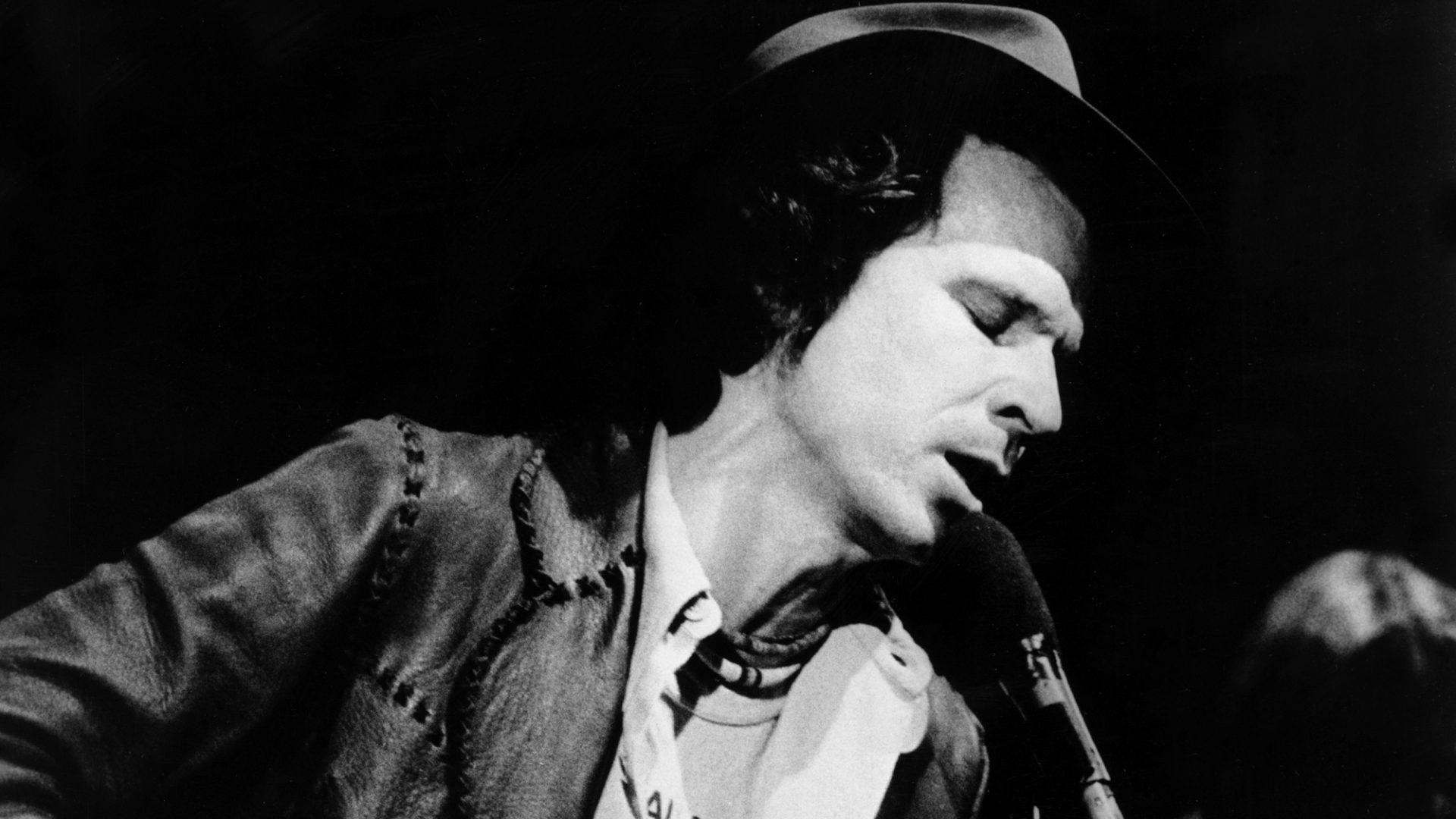
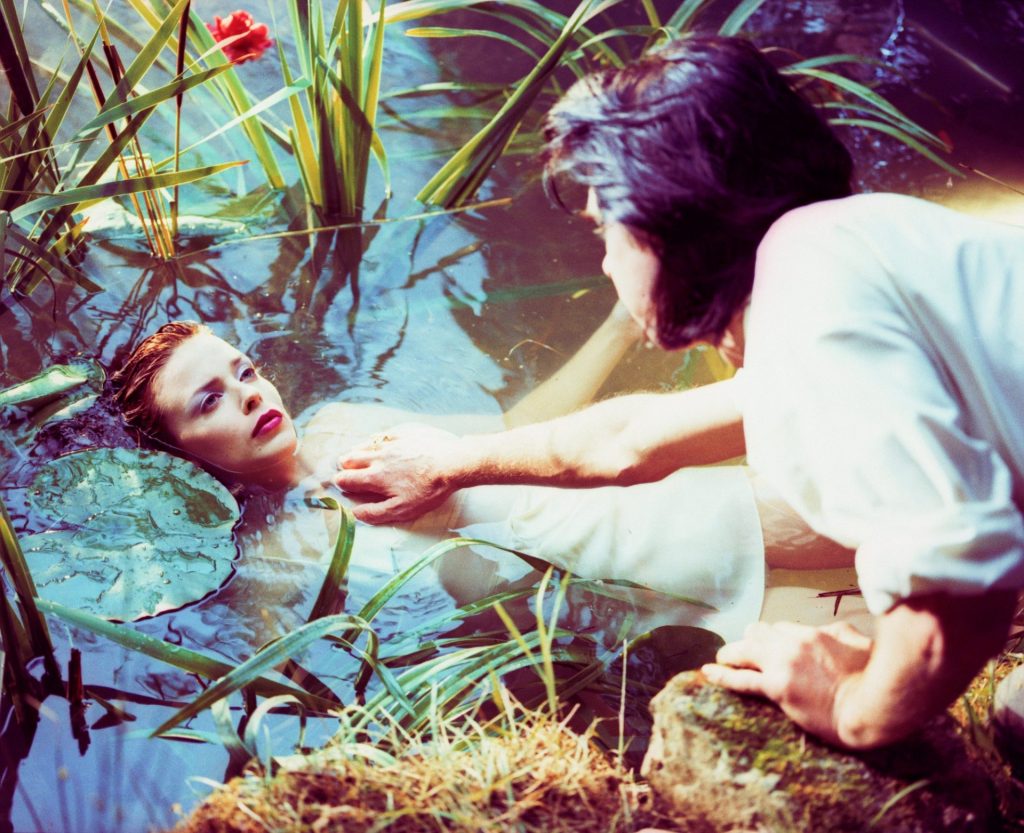
“We were terrified of her,” said Nick Cave. It was 1995, and the singer-songwriter was waiting for a guest vocalist to perform on a murder ballad he’d written with her in mind, its subject matter typical for the leader of the Bad Seeds. It was a tale of obsessive desire, violence and death, written by a man still grappling with heroin addiction.
Into this darkness came a tiny, luminous pop star from suburban Melbourne who loved life. No wonder Cave was scared.
Where the Wild Roses Grow, released that October, went to No 11 in the UK and No 2 in Australia. It remains among Cave’s most successful songs, but it also marked a turning point for the woman who in a new three-part Netflix documentary series he calls a “joy machine”.
There had been bigger hits for Kylie Minogue, and there would be in the future, but this dialogue between a killer and his victim ended one view of her – that her immense popularity and her relentless charm were proof to cultural gatekeepers that she did not deserve to be taken seriously.
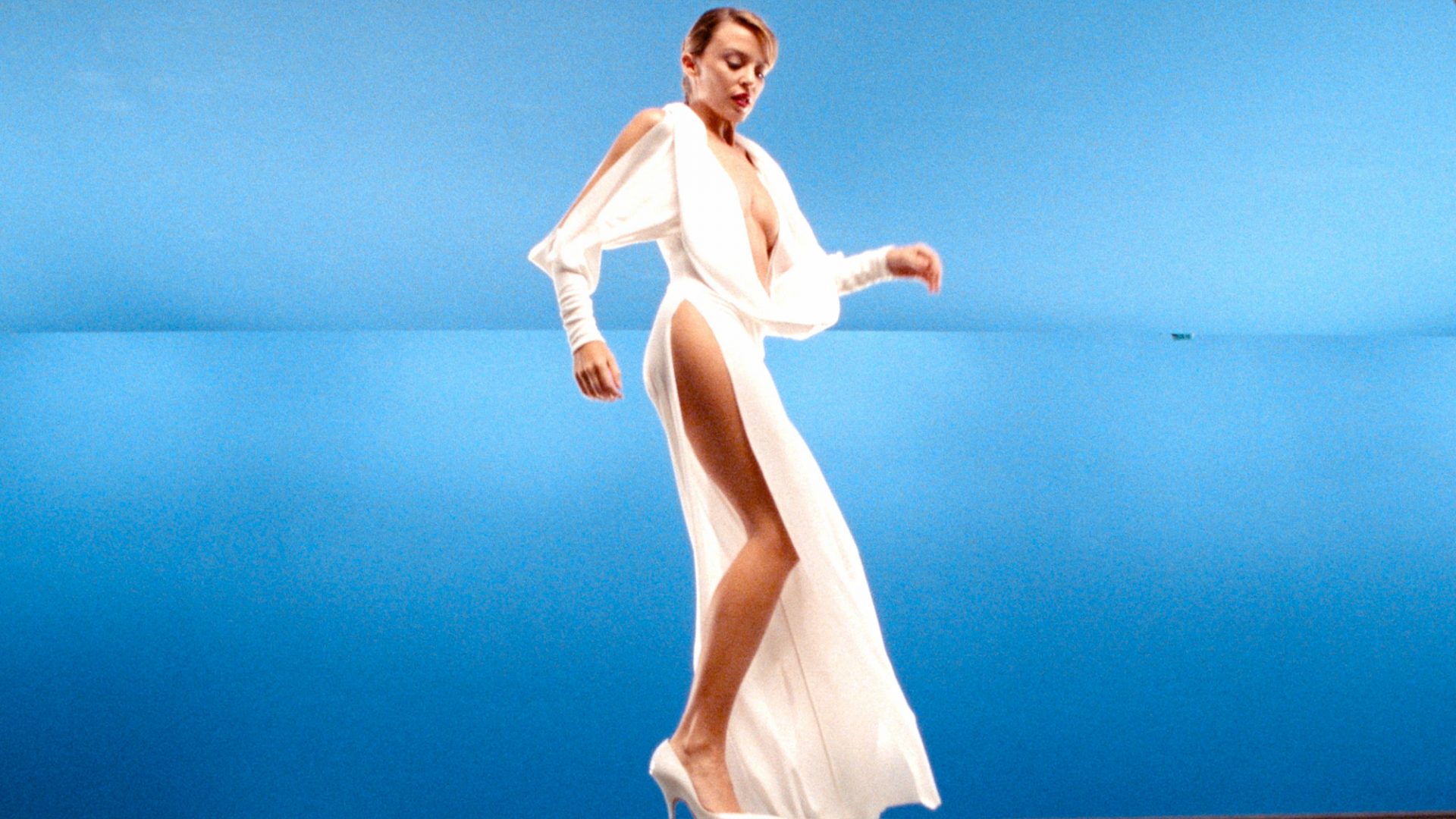
Kylie, directed by Michael Harte, editor of the acclaimed Michael J Fox doc Still, arrives at an opportune moment. Minogue turned 58 in May, and next year will tour the world to mark her 40th year in music. By the time it ends, she is likely to be 60 years old, with multiple reinventions, several heartbreaks, two cancer diagnoses and the shocking death of the love of her life behind her, still one of the world’s biggest pop stars.
Like Madonna, Minogue has managed to turn early froth-pop success into something more interesting and lasting. She has ridden and anticipated trends, becoming recognised as both an icon and a shrewd businesswoman who controls her own destiny. Unlike Madonna, Kylie has maintained her relevance without aggressively confronting her critics or turning celebrity into a combat zone.
What Kylie has achieved is rare. She is beloved.
The Netflix documentary has arrived as Kylie no longer needs to prove herself, and that is why it works as much more than breathless homage or dull hagiography. It feels like the culture is finally catching up with her.
The series revisits the old humiliations from the vantage point of survival: the persistent sneers at a “singing budgie” and the dismissal of pop as disposable teen culture.
The “singing budgie” label, especially, carried more than mundane pop snobbery. Kylie arrived in Britain in 1987, when cultural legitimacy was still heavily policed by class, masculinity and preconceptions of authenticity. Serious music belonged to men with guitars, northern angst and intellectual pretension, not petite Australian women from suburban soap operas adored by teenagers and working-class audiences.
Meanwhile, songwriting and production trio Stock, Aitken and Waterman were building something far more commercially potent: a perfectly tuned pop machine that bypassed the critics and went straight to the radio, charts, clubs and school discos.
Kylie arrived there almost incidentally, and Pete Waterman admits in the documentary that he had never heard of her when she walked into the studio to record her first record.
Neighbours, which Minogue joined in 1986 after appearing in teen soap The Henderson Kids, was even bigger in Britain than in Australia. At home, it was how we lived. For British audiences, it offered a sun-drenched and aspirational alternative to the claustrophobic gloom of EastEnders or Coronation Street.
Kylie violated nearly every assumption of the British cultural hierarchy at once. She was relentlessly commercial while being feminine and emotionally accessible. It made her impossible to ignore.
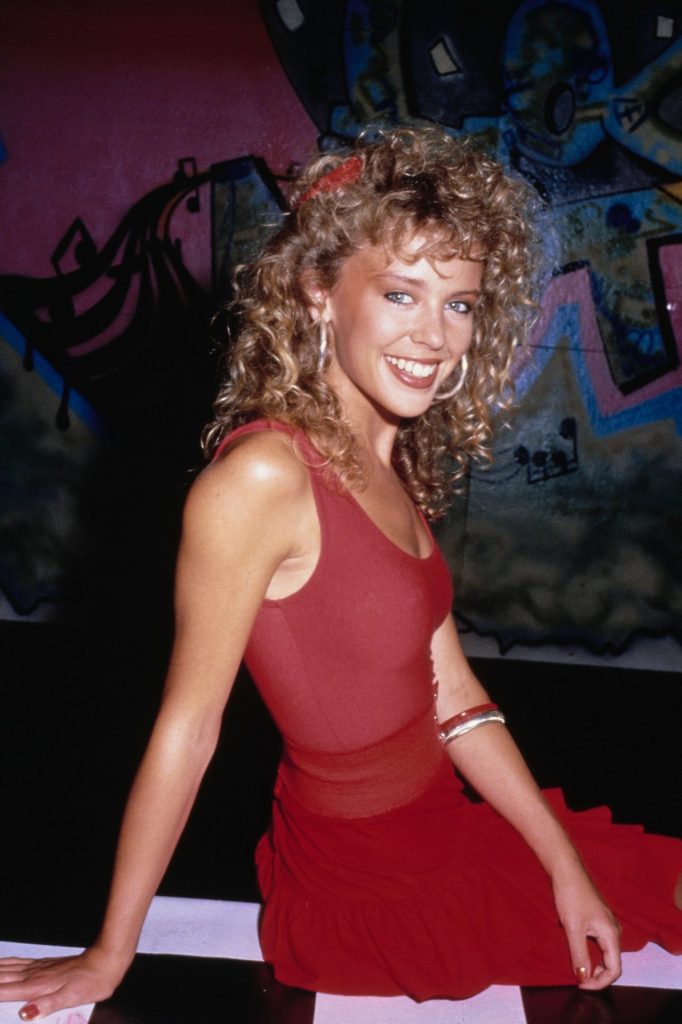
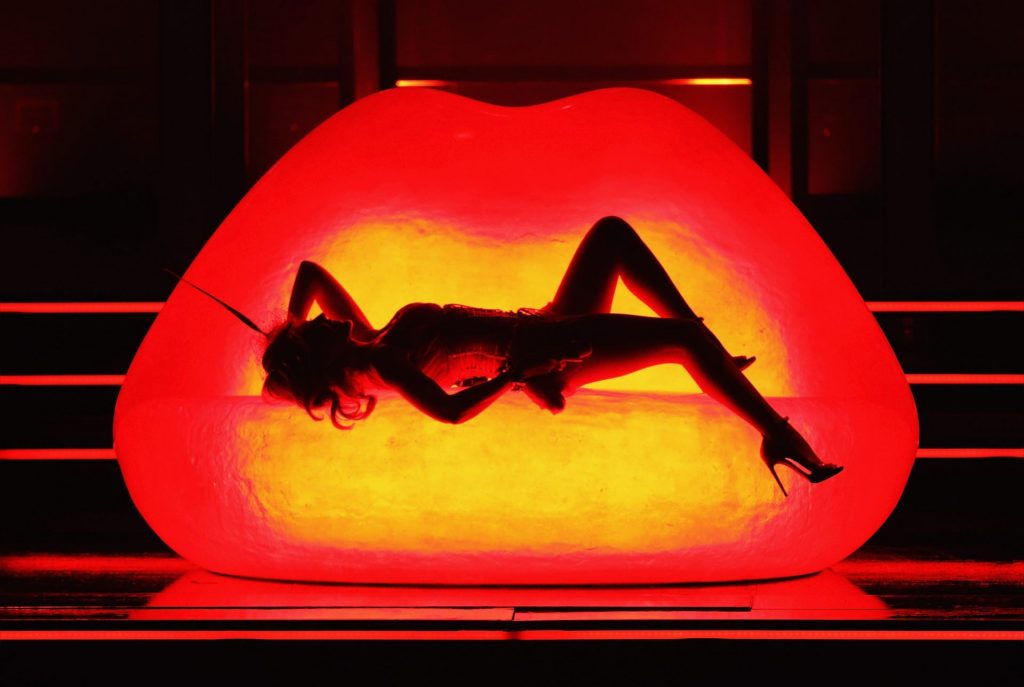
While the on-high derision could be vicious, it masked a hidden comfort: she was loved too widely, and by the wrong people, to be granted immediate cultural respectability.
Yet two of the most magnetically cool men in popular culture were drawn to her straight away. The INXS singer Michael Hutchence fell in love with her. Cave sought her out creatively. Both men, in radically different ways, saw what others missed.
Hutchence, who devastated her by leaving her in 1991 and again by his death six years later, helped pull Kylie away from the synthetic innocence of late-1980s pop and into a more complicated adulthood. Cave said the Bad Seeds found her terrifying because she wore no armour.
It was an extraordinary thing to say about someone so readily dismissed as lightweight. But perhaps that was always the point. In cultures that mistake darkness for gravitas, joy can look intellectually suspect.
Then came the gold hot pants.
Kylie moved almost overnight from teenage fandom into adult fantasy and desire. Millions of boys pinned her posters to their bedroom walls, and grown men openly admitted they were in love with her.
In the documentary, she states with a laugh that she could never get away with the short shorts today. But the moment marked something more important than sex appeal: Kylie had discovered control over her own image.
The documentary also captures something specifically Australian about Kylie’s appeal. Australia is suspicious of self-importance. The national mythology still has more room for tough, self-deprecating men than ambitious women.
Kylie offered another version of Australianness altogether: playful, feminine, open and cosmopolitan, without losing the ordinariness that millions identified with. She earned everything she achieved, but never seemed impressed with her own success.
There was another audience, too, that recognised something valuable in Kylie long before mainstream critics did. Gay men embraced her theatricality and, as HIV/Aids was devastating their community, her lack of judgment. Like many great pop divas, Kylie offered glam without cruelty or shame.
A visit to a “Kylie night” at an Australian drag club woke her up to feathers, sequins and eyelashes, she says, and the showgirl that gay audiences instinctively recognised became part of her power.
Her appeal within gay culture coincided with the emergence of a more flamboyant, self-aware Australia during the 1990s. Sydney’s enormous Mardi Gras parades were becoming global spectacles, and The Adventures of Priscilla, Queen of the Desert helped shape Australia’s international cultural image just as much as Crocodile Dundee.
Kylie occupies a strange place in popular culture. People who have never bought one of her records often still feel warmly, even protective, towards her. Even many former critics eventually softened.
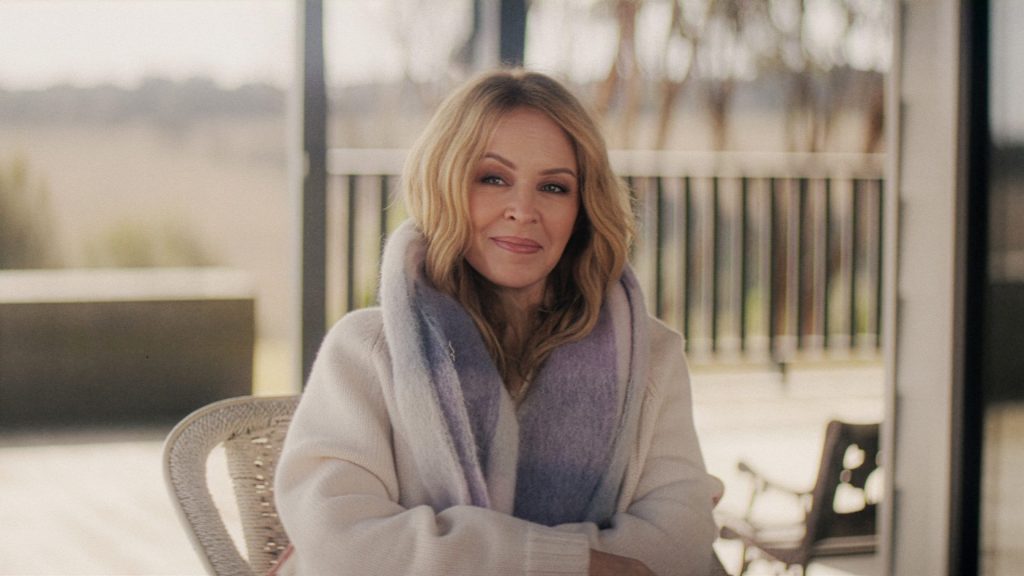
The relationship goes beyond admiration, partly because Kylie never seemed to disappear into celebrity, as many people who achieve huge fame do. Fame can create an unbridgeable us-and-them distance in which audiences project on to stars and stars retreat behind personas, walls and wealth.
Kylie spent 40 years becoming more famous while remaining familiar, almost touchable.
Women grew older alongside her. Gay audiences embraced her warmth and authenticity. Australians generally saw someone who succeeded internationally without appearing embarrassed by where she came from. The connection is different in each case, but the underlying feeling is remarkably similar.
Kylie never seemed to look down on anyone. “Her connection with the audience is not phoney,” Cave says in the documentary. “It’s very real for her. It is a true form of love.”
Australia has long looked overseas for reassurance that its culture matters. Yet even as the country exports actors, musicians and writers, it is still unsure about the value of what it produces.
Success overseas brings validation, but is often greeted domestically with suspicion or resentment – the same barbs that Kylie endured in the early days of her career. Barry Humphries left for London in the late 1950s and transformed an exaggerated Australian vulgarity into sophisticated satire for, and quietly of, British audiences. Similarly, Kylie forced Australia to confront its own uncertainty about what counted as culture. What Humphries skewered, Kylie celebrated.
Australia has exported many versions of itself to Britain. Humphries made Britain laugh at Australia; Germaine Greer made Britain argue; Clive James made Britain reflect; Nick Cave made Britain think; Hugh Jackman made Britain swoon.
Kylie did something different. She made Britain smile. It sounds like the slightest achievement of the lot. It may be the hardest.
Suggested Reading

The racism so deep in Australian culture most people can’t even see it
Humphries succeeded through satire; Greer through intellect; Cave through artistic intensity; Jackman through charisma. All are familiar routes to cultural legitimacy.
Kylie is harder to explain. She was not dangerous, or provocative or especially intellectual. She never cultivated mystery. She did not reinvent herself as an artist of suffering or turn celebrity into a performance of grievance or contempt.
For 40 years, people have tried to explain Kylie through categories: soap star, pop princess, gay icon, sex symbol, showgirl, cancer survivor, national treasure. All are true, but none quite captures why she remains so widely popular.
Perhaps the answer lies in something much simpler: people just like her.
That sounds almost absurdly obvious, but celebrity culture is rarely built on being liked. It thrives on fascination, envy, aspiration and outrage. Kylie inspired and still inspires affection.
That affection crossed the usual cultural boundaries. Kylie was loved by teenage girls, gay men, suburban families, music fans who bought every record and people who never bought one at all. Few celebrities remain visible for four decades without becoming divisive. Kylie somehow managed it while becoming more famous. The audience was never simply consuming Kylie. They were barracking for her.
The old distinctions between “serious” and “disposable” culture that once kept Kylie at the margins of critical respectability now feel faintly absurd. Much of the gatekeeping machinery that dismissed her has disappeared altogether. Kylie remains.
Years after the gold hot pants, the tennis court posters and the tabloid frenzies, Cave invited Kylie on to the stage at the Royal Albert Hall in London during one of his spoken-word performances.
She bounced on, hugged him, and read the lyrics of I Should Be So Lucky as serious verse. The gesture was funny and mischievous, and not entirely ironic.
In 2005, at the height of her success, Kylie was diagnosed with breast cancer. She cancelled a world tour and her long-awaited appearance at Glastonbury, and disappeared from public view for treatment.
When she finally returned to the festival in 2019, the crowd was chanting her name before she even appeared on stage. Then she walked out into the noise and simply stood there for a moment, looking across the sea of people, as if finally allowing herself to believe: yes, I belong here.
It was an extraordinary moment of validation for the tiny Australian woman once dismissed as a “singing budgie” from downmarket Antipodean television. The gatekeepers had disappeared long ago. The audience remained.
Kylie is streaming on Netflix.
Lynne O’Donnell is an Australian journalist and author