As the sun is setting over the MetLife Stadium just outside New York City on July 19, someone will score the goal that will decide the 22nd Fifa World Cup final. An estimated 1.5 billion people will be watching.
That person will already be very rich and famous, but their life will never be quite the same again.
There are only 34 people alive on the planet who can say “I scored a goal in the Fifa men’s World Cup final.” Since its inception in 1930, just 67 people have ever done it. It’s the most exclusive club in football.
In 2007, as a jobbing photographer researching something else, I discovered that at that time only 58 people had ever scored a goal in the final, and of those only 34 were alive. I set out to find them all.
The project, which took four years of travelling to 13 countries, would eventually become a book and a film. It was humbling to meet them all.
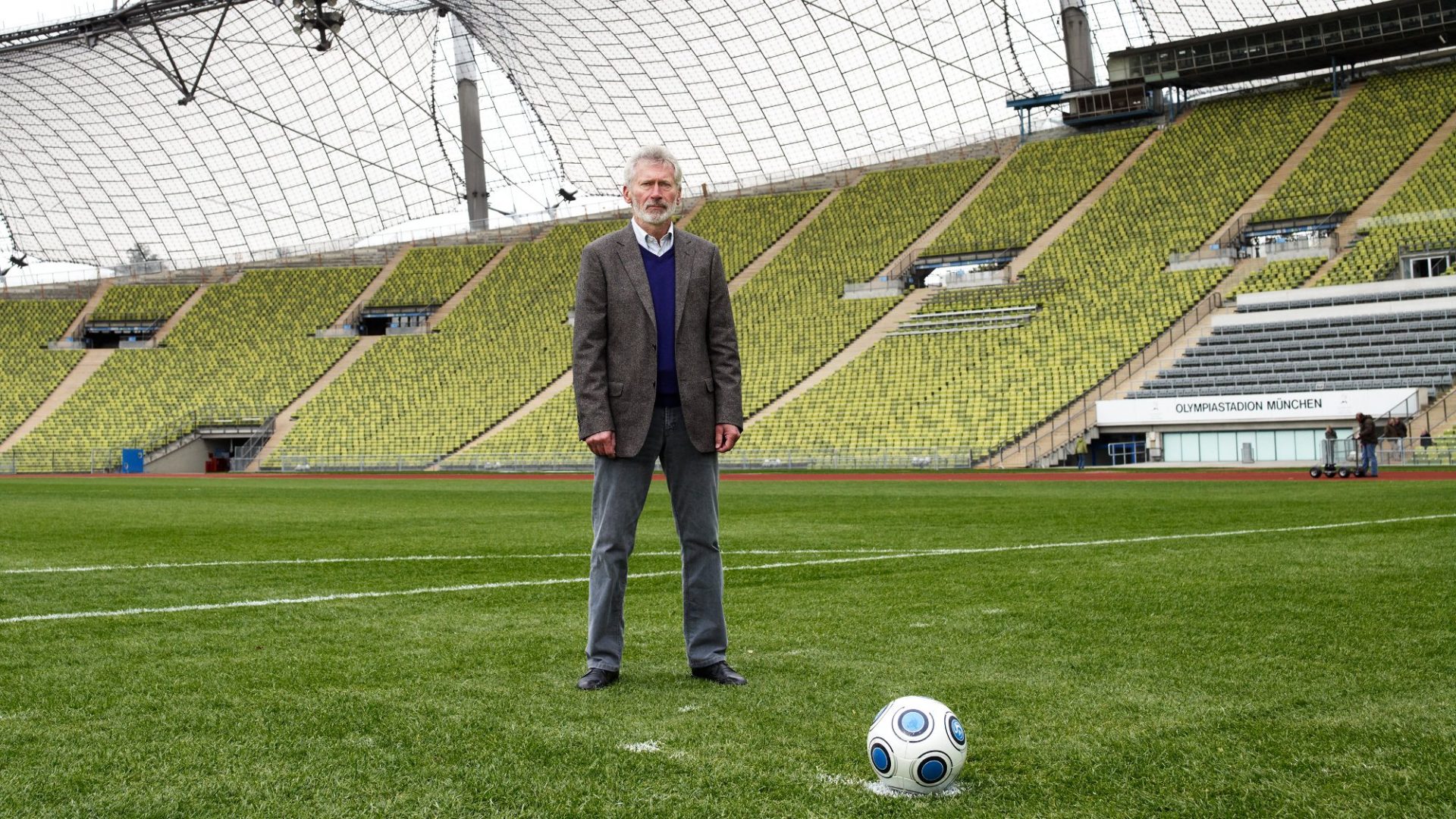
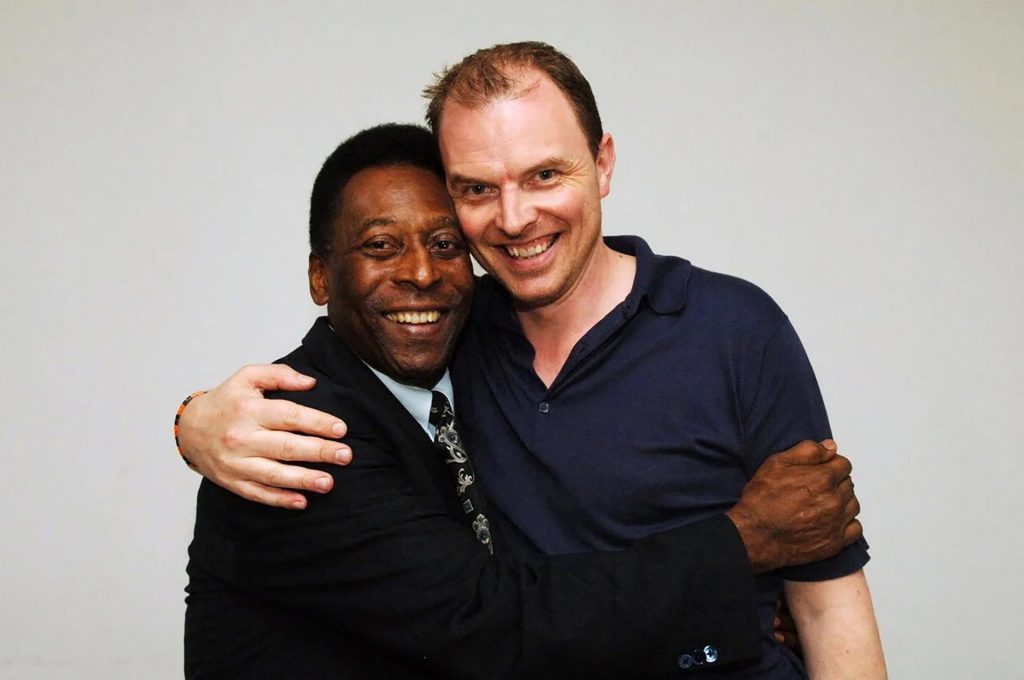
I did headers with Pelé, I took penalties with Paul Breitner at the Olympiastadion in Berlin, I accidentally went home with Emmanuel Petit’s medal in my pocket, and I was held up at gunpoint in a Rio de Janeiro favela.
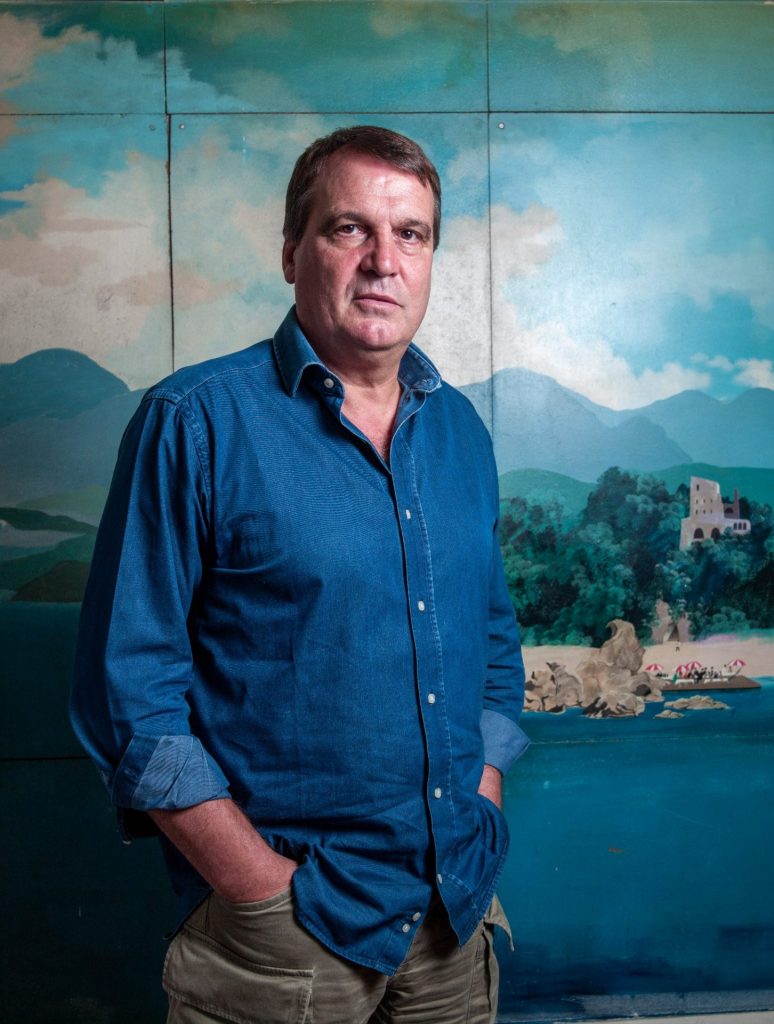
Among the 34 was Alcides Ghiggia. When the then 23-year-old woke up on the morning of July 16, 1950 in a mediocre hotel in Rio, he knew he would be going home with a medal the next day, but there was little doubt in his mind it wasn’t going to be a winner’s medal. The entire population of Brazil thought the same thing.
The 1950 final, the start of the modern World Cup as we know it, was played at the Maracanã, in front of what remains the largest attendance at any football match ever. It was supposed to be a coronation for the host nation, but Ghiggia instead scored the winner for Uruguay. To this day, the Brazilians have never fully recovered from the upset. No victory, not even the sublime glory of 1970, compares to the pain of that loss.
In 2009, I sat in a tawdry neighbourhood bar in the old town in Montevideo, across the table from Ghiggia, who was drinking his second espresso. No one in the bar knew who he was.
Sipping his coffee, Ghiggia told me: “Everyone thought we would lose. There were 200,000 fans there, all Brazilian. I think there were 30 or 40 Uruguayans.
“It was 1-1. It was in the 79th minute, I was quick, it was me against Barbosa (the Brazilian keeper). He came off his line too late, so when he dived the ball was already in the net.
“We celebrated, but apart from us there was no one to celebrate. There were 200,000 people there, in complete silence. It was terrifying. I didn’t know what to do, so we just went back to the centre circle.
“After the final whistle we did a lap of honour, but everyone was crying. It was desperate. Only three people have silenced the Maracanã – the Pope, Frank Sinatra and me.
“After the match we went back to the hotel, but the treasurer and half our delegation had left the night before, they were so sure we were going to lose, so we had no money. We sent someone out to get some sandwiches and beer and sat in my room. That’s how we celebrated winning the World Cup.”
A few months later, I was standing in a kitchen and bathroom salesroom in a village in northern Belgium, while Dick Nanninga tried to sell me a kitchen, saying his company would ship to the UK. But I wasn’t there to buy a kitchen. I was there because Dick scored a goal for Holland, the greatest team to never win the World Cup, in the final against Argentina in Buenos Aires in 1978.
Later, back at his house, I asked if I could see his medal. His wife went to get it, and came back with a lovely little box, which he opened for my camera. There was a medal in the box, but it wasn’t from the 1978 World Cup final.
Dick was big into karaoke and a few years earlier had come first in a local competition. His winning medal hadn’t come in a box, so he thought it appropriate to take his loser’s World Cup medal out and put his winning karaoke medal in. He shrugged, saying that he had no idea where the World Cup medal was.
Later, he suggested we all go to the local pub, within walking distance of his house. We were a crew of eight and conspicuous in what was a small village pub where Dick knew everyone.
The landlady asked me who we were, why we were there. “We’re here because of Dick,” I said. Rolling her eyes, she said: “Oh, what’s he done now?” When I told her, she just smiled, clearly not believing me. In all the years he had been going there, he had never mentioned that he had scored a goal in the World Cup final.
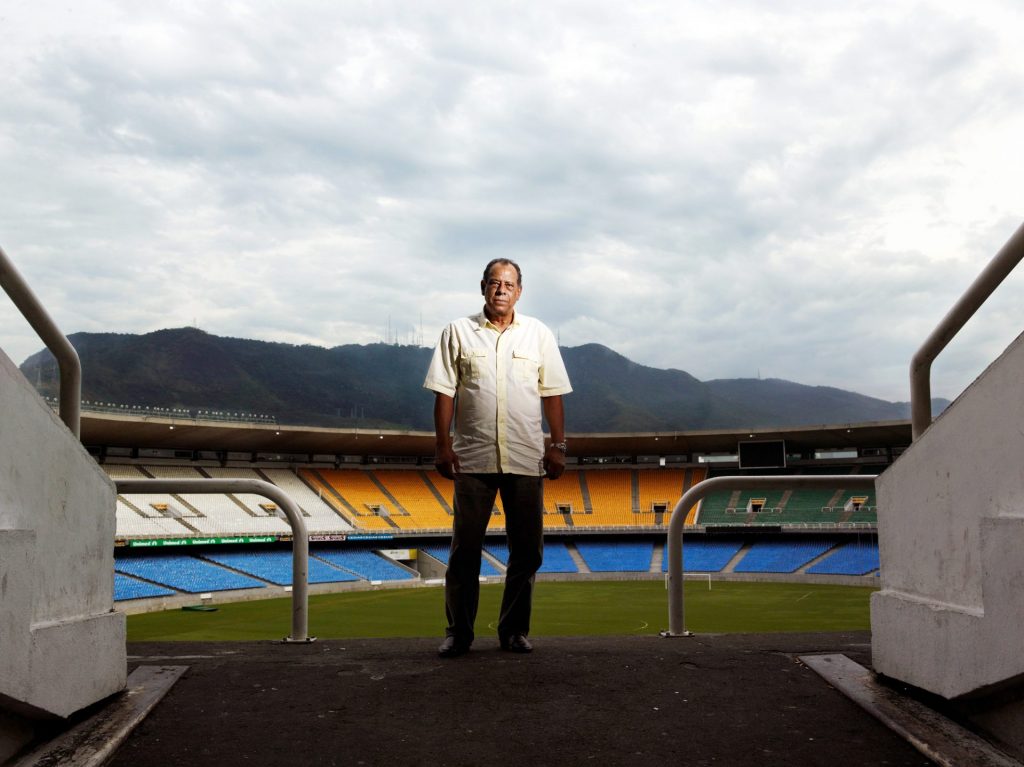
The 1970 final is widely considered to be the greatest of all time, and Carlos Alberto’s 86th-minute goal to be the most complete team goal ever; it’s the one Eric Cantona compared to the words of Baudelaire.
We arranged to meet the goalscorer at the Maracanã. He arrived in a white van driven by his friend, a plumber, who insisted on waiting for him while he did the interview and filming. Carlos was concerned about his mate losing out on a day’s work and said he’d get a taxi, but he insisted. Carlos said he’d make it up to him.
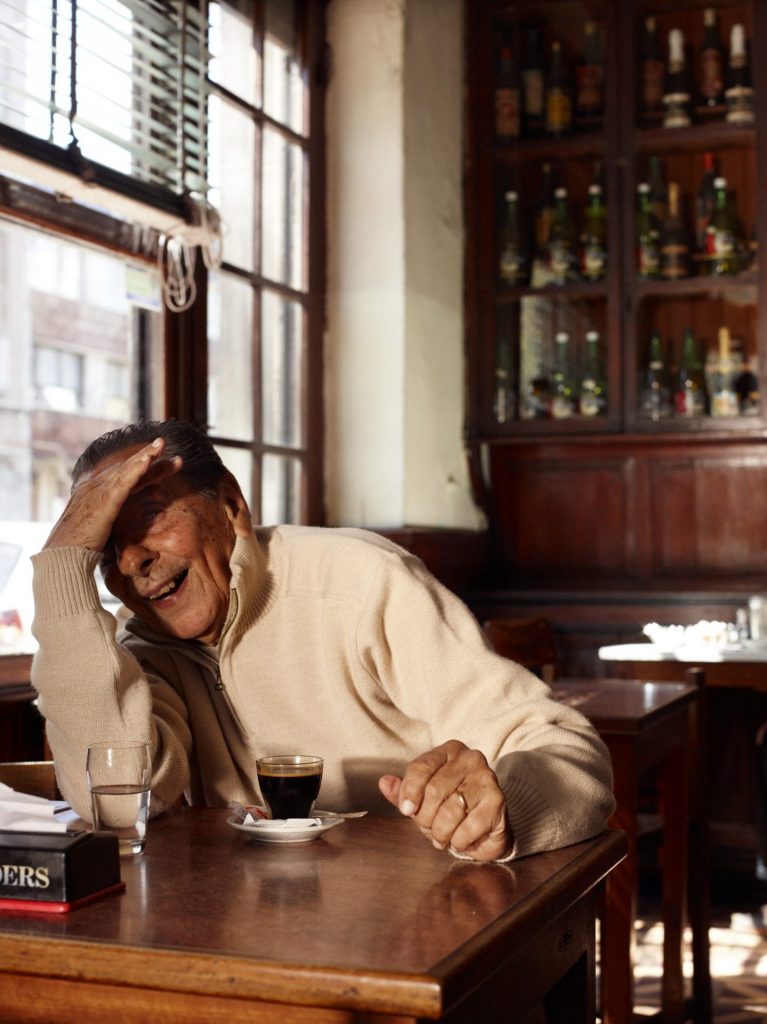
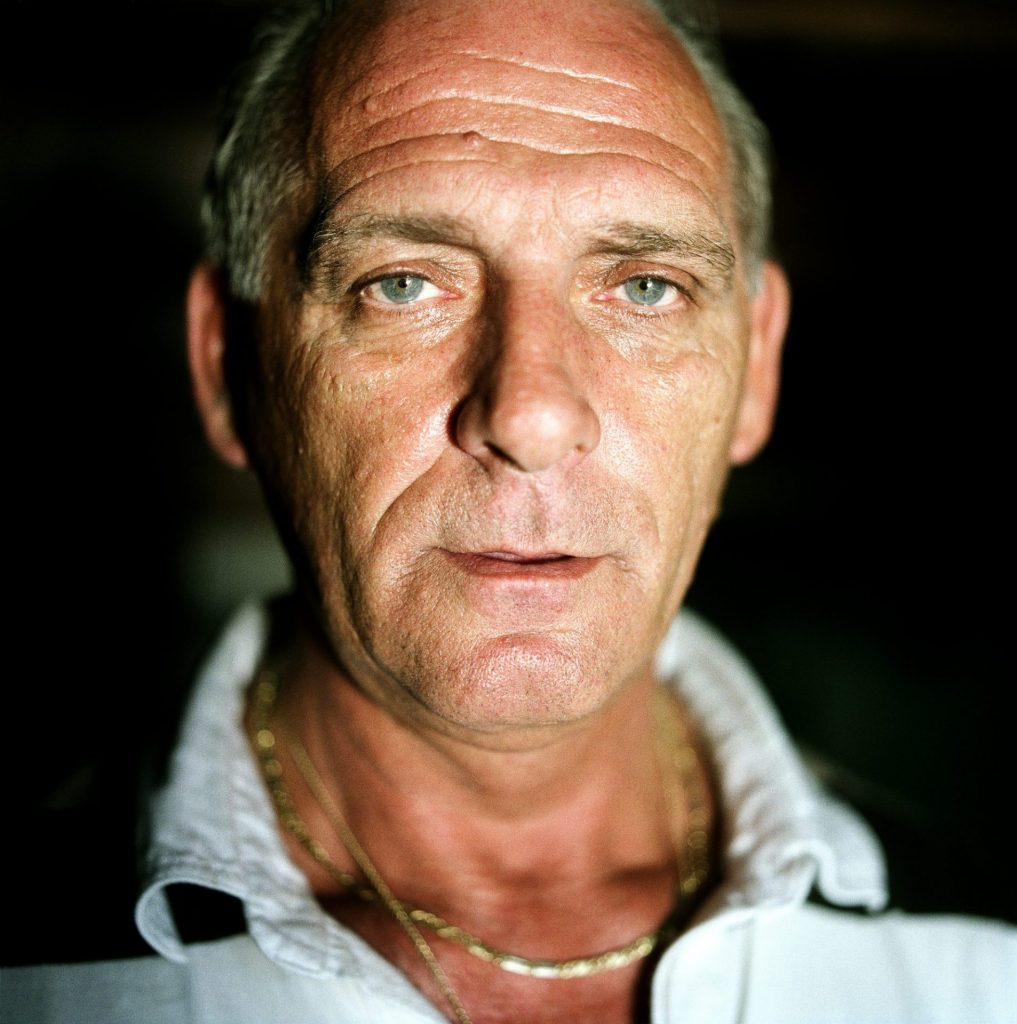
In 1962, communist Czechoslovakia met Brazil, even then the best team in the world, in the final in Santiago, Chile. The Czechoslovakian team were mostly soldiers. They were on normal military wages, but if you got into the national team, you and your family got preferential, life-changing treatment when it came to housing.
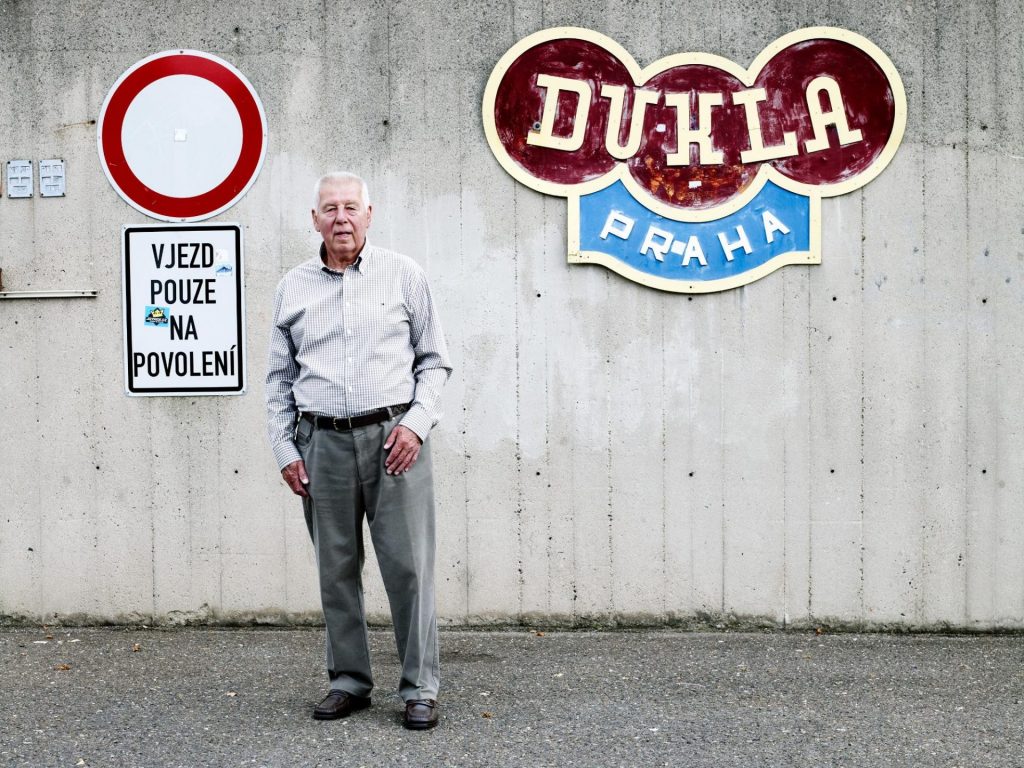
In June 2009, I sat with Josef Masopust in the empty clubhouse of Dukla Praha, the club he had spent his career with, in Prague. It was just the two of us drinking beer from cans we had taken out of the fridge.
When he was first selected to play in the finals, he said: “I had never been away. No one went away. You weren’t allowed to take your family. Not all of them anyway. You had to leave a wife or child at home because they thought you might not come back.
“No one came to see us off. My dad said: ‘Don’t bother unpacking when you get there because you’re coming straight home,’ which made me feel bad.”
Against all odds, 15 minutes into the final, Masopust put the Czechs in the lead against Brazil. “I thought I had won the World Cup, that I had scored the winning goal,” he said. “Can you imagine? I still think about it every day. But two minutes later Amarildo scored for Brazil and ruined it for me.”
No one met them at the airport on their return and they just went back to their army jobs. When I met Josef, he was living in the same tiny army apartment in Prague, by the Dukla Praha stadium, where he died in 2015.
Every player I met struggled to articulate what it felt like to score in the final. Marco Tardelli said of his goal for Italy in 1982, “I waited to see, to make sure that it was in the net. And then… it’s hard to describe, but in that moment with all those people screaming, I felt completely alone. It was a very beautiful thing. That feeling of solitude has stayed with me.”
Pelé told me: “In 1970 when I made that header, it was God that lifted me up. God lifted me up to score that goal.”
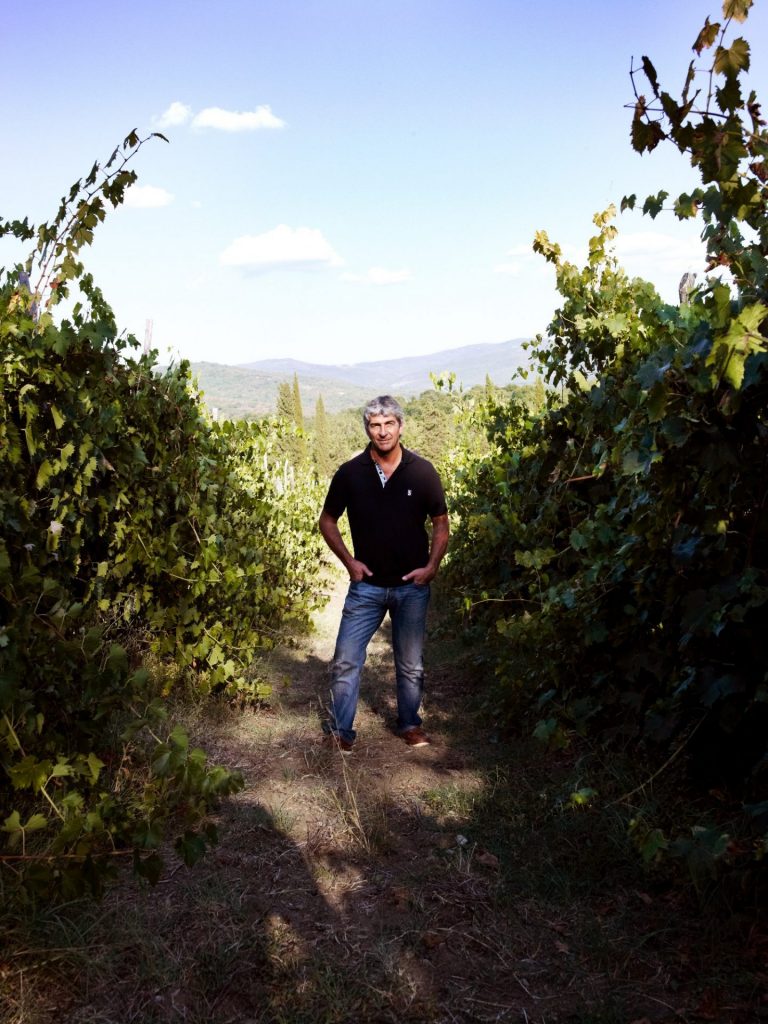
Paolo Rossi, living on his vineyard when I met him, said of his goal in ’82, “You don’t realise what you’ve done. How can you make sense of the magic of what it feels like to score a goal in the World Cup final? In that moment, it’s as though the whole world is jumping on top of you and carrying you on their shoulders all at the same time.”
Paul Breitner, who scored for West Germany in 1974, put it more succinctly. “I could tell you how it felt, but it wouldn’t make any sense. You wouldn’t know what I was talking about,” he said.
Suggested Reading
Can you ever truly understand an artist?
Of the scorers I met, about a third had scored in the final and then lost, the best and worst day in their lives. But without exception, they saw it almost as if it was something that had happened to them rather than something they had done. All saw their lives in terms of, before and after, that moment.
It’s pointless to compare the experiences of Masopust or Ghiggia to what might be the experience of whoever scores in this year’s final. The world has changed, the tournament has changed, but it remains the most exclusive club in world football.
Diego Maradona, Johan Cruyff and Cristiano Ronaldo aren’t members. But one or more men will wake up on the morning of July 20, if they have even been to bed, and be members of that elite few who can honestly say, “I scored a goal in the Fifa World Cup final.”
Michael Donald is the author of Goal!: Intimate portraits and interviews with every living FIFA World Cup Final scorer