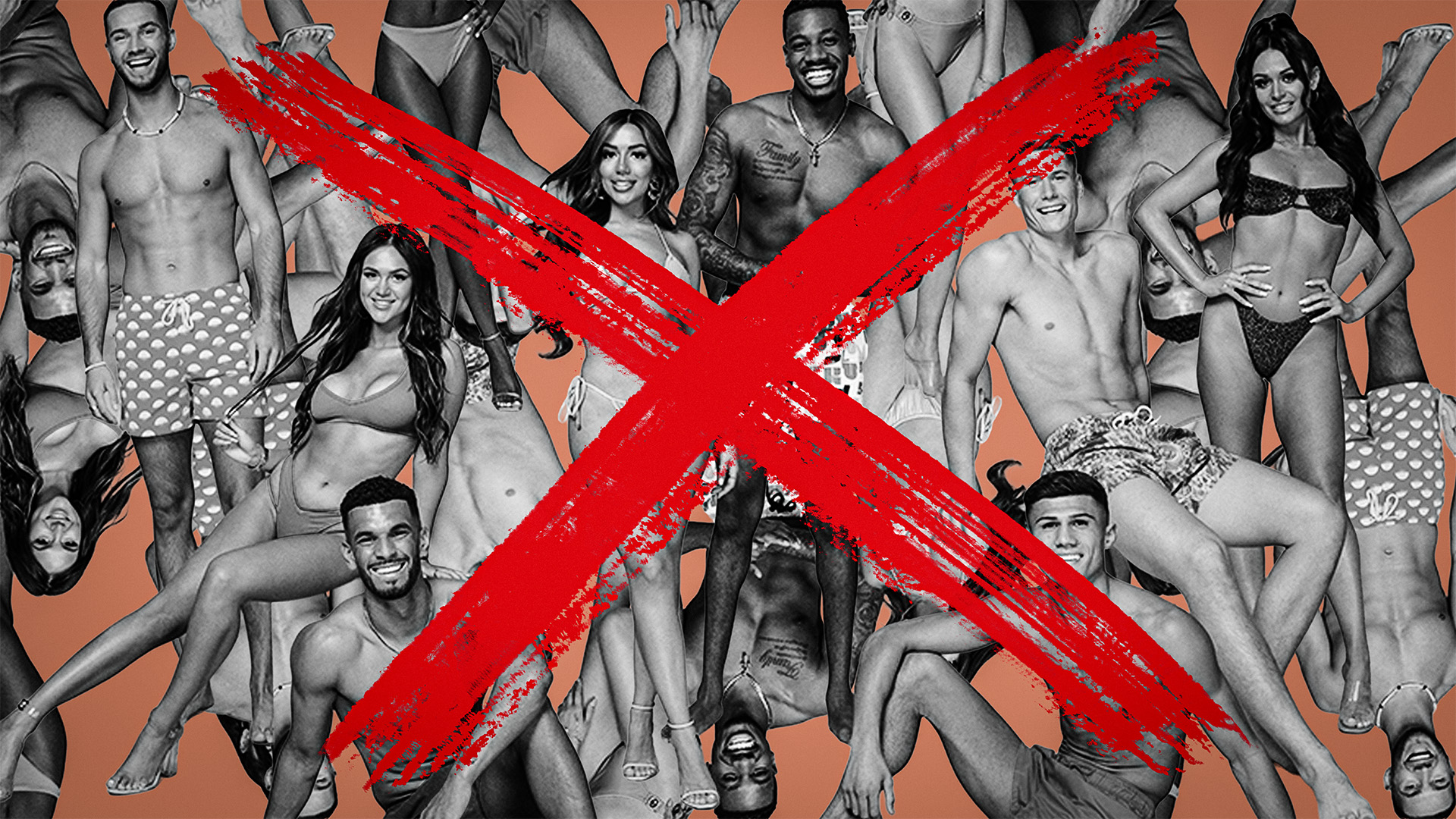
This week’s launch of the latest series of Love Island drew just 600,000 viewers on ITV2. It was the programme’s lowest launch audience for a regular summer series since it began a decade ago, and almost half of what last year’s opener attracted.
For a show that once dominated social media, launched celebrity careers and became one of Britain’s most successful TV exports, this raises the question: have we fallen out of love with Love Island?
Reality television formats tend to move in waves. In the 2000s, it was talent shows, where Saturday night seemed to revolve around The X Factor or Britain’s Got Talent. Then came the era of watching strangers live together, argue and occasionally throw drinks at one another (Big Brother and, to an extent, I’m a Celebrity…). By the late 2010s, reality TV had become obsessed with romance.
Suggested Reading

Is it me, or is there nothing to watch anymore?
Love Island arrived at exactly the right moment – it filled the gap left by fading talent shows and became the closest thing Britain had at the time to genuine water-cooler television. The show itself was also inseparably tied to the rise of social media platforms like TikTok – in fact, half the entertainment came from watching the internet react to it in real time.
Yet over the past few years, it has seemingly drifted into irrelevance.
I imagine many TNW readers will struggle to understand its appeal in the first place. Why would anyone willingly spend eight weeks watching fake-tanned, fake-toothed influencer hopefuls flirt around a villa?
For those unfamiliar, most conversations follow this sort of high-stakes, gripping dialogue:
“So what’s your type?”
“I love a cheeky bad boy with banter.”
“No way, I love banter.”
“Wow, I feel like we have a real connection.”
And yet people absolutely devoured it.
I was in secondary school during the programme’s peak and can attest to its cultural grip. Pub gardens screened the final. Teenagers acquired dubious fake IDs in the hope of meeting former contestants in clubs. For a certain generation (mine), Love Island became something approaching an informal education in sex and relationships.
The logic of the Love Island villa is oddly bureaucratic. First you “couple up”. Then you spend weeks “getting to know each other”. Then you become “exclusive”. Finally, if all goes well, someone asks the other to be their boyfriend or girlfriend.
That progression has seeped into real life. Once upon a time, two people who regularly went on dates, slept together and enjoyed each other’s company would simply have been considered a couple. Now they are often trapped in an “exclusive situationship”, because the idea of being boyfriend and girlfriend is like the last step on the relationship hierarchy ladder, and that’s just far too much pressure.

I have male friends who have asked women to be exclusive with a level of planning and ceremony that would make old-fashioned marriage proposals seem understated. Equally, I have female friends who visibly panic when I refer to someone as their boyfriend, as though I have asked when the wedding is, rather than assigned a label to the person they spend every weekend with.
Perhaps Love Island‘s declining audience is partly because its original audience has grown up. The viewers who once stayed up watching it on a school night now have jobs, rent, and relationships of their own.
But age alone does not explain the decline, as the programme’s reputation has also suffered. Love Island has been the poster child for concerns about the psychological toll of reality television, particularly following the deaths of former contestants Sophie Gradon and Mike Thalassitis, as well as presenter Caroline Flack.
And, to be clear, that concern is hardly surprising when the show’s entire premise involves broadcasting young people’s most embarrassing moments to millions and then unleashing faceless accounts on social media’s scathing judgement upon them.
While producers have introduced safeguards over the years, controversy has continued to follow the show. Faye Winter’s explosive row with Teddy Soares generated tens of thousands of Ofcom complaints, while many viewers regarded contestants such as Adam Collard as normalising gaslighting and manipulation in relationships.
Love Island is not alone in this. A BBC Panorama investigation about Married At First Sight focused on claims from two former contestants that they were raped by their on-screen husbands during filming, while a third alleged she had been subjected to an unconsensual sex act. All of the men deny the allegations, but the fallout has been significant, with Channel 4 pulling the series from its streaming platforms.
So perhaps audiences have simply become less willing to overlook the insidiousness behind these programmes. But that does not mean reality television itself is disappearing; in fact, it is quite the opposite.
The Traitors has become one of the biggest programmes in the country. Race Across the World continues to attract large audiences and critical acclaim. And don’t get me wrong, both generate moments of delicious schadenfreude, like when Harry fooled almost everyone in The Traitors, or when contestants on RATW accidentally end up getting on a train 50 miles in completely the wrong direction.
But the difference is that these shows offer something more than humiliation – they contain genuine vulnerability and emotional depth. Contestants come from different generations and backgrounds and their experiences are often far from glamorous or manufactured.
Maybe Love Island is not dying because people have stopped enjoying reality television. Maybe it is dying because audiences have finally grown tired of perfection.
After years of watching impossibly attractive strangers pretend to fall in love beside an infinity pool, it turns out what viewers really wanted was something far more radical: real people.
 Most popular

My truly deranged encounter with Trump apologist Kellyanne Conway

Suella Braverman’s book has sold only 106 copies. This is why

The moral depravity of Robert Jenrick
Hungary’s lesson to the world: Populism isn’t permanent