
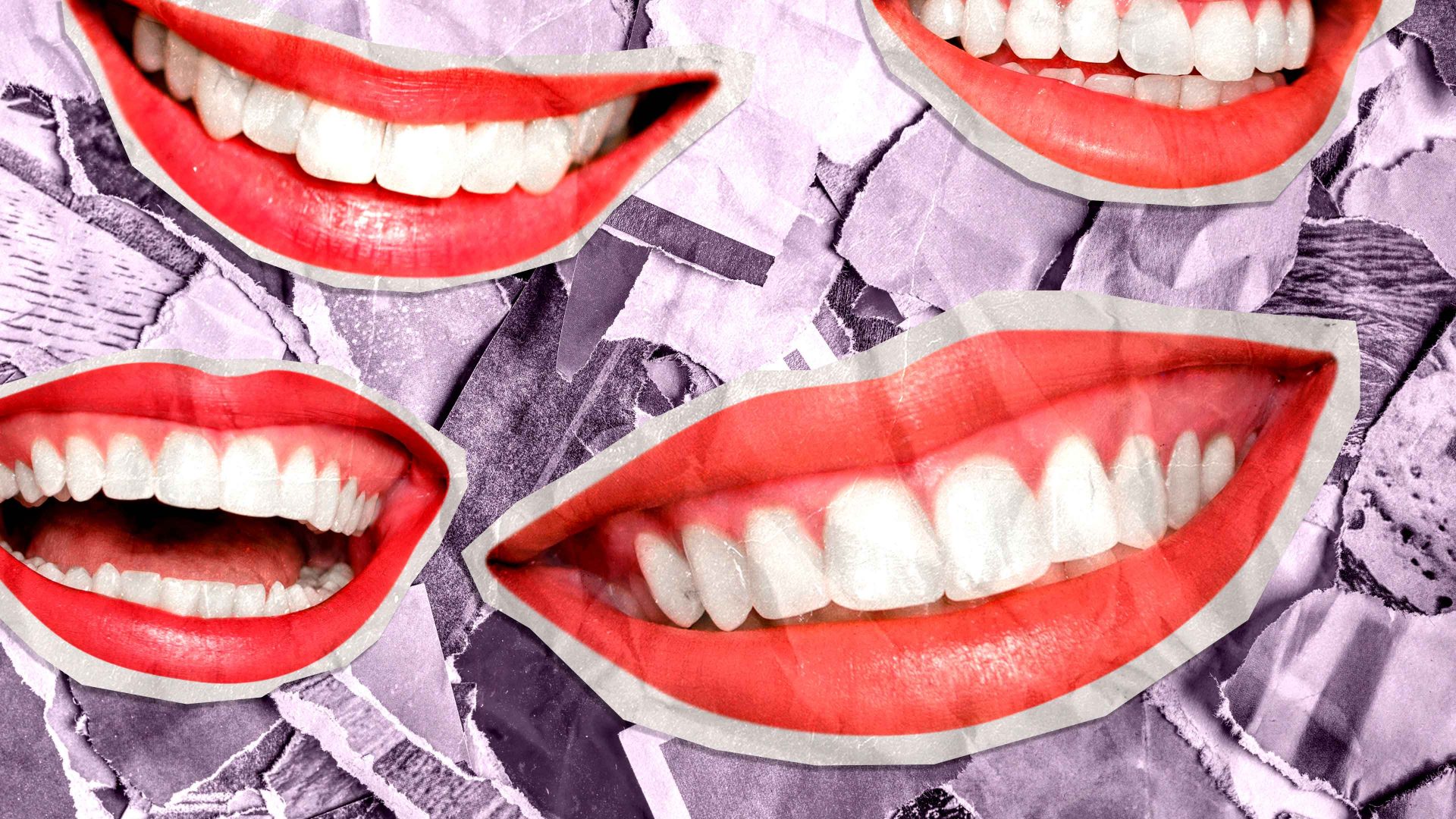
The moment something that used to signal wealth becomes something anyone can have, it tends to become worthless. And when something that was once a refined status symbol starts to look a bit tacky (ie accessible to the un-wealthy) – those who set the agenda will flip the script.
In the 90s and early 2000s, a visible Gucci or Louis Vuitton belt read as shorthand for having “made it”. But once designer brands became more widely available, and then endlessly replicated, they started to lose their status.
And so, luxury brands shifted from loud, logo-heavy collections to far more understated, “quiet luxury” – as not having to showcase your wealth became the ultimate marker of it in rich society. Take a scene from Succession, where the socially inept cousin Greg comes to an elite event with a date who sports a designer purse – and is then ridiculed for having a “ludicrously capacious bag”.

Now, this same thing is starting to happen with our teeth.
For much of the 20th century, cosmetic dentistry wasn’t really for mass consumption in the way it is now. It was something you noticed on film stars and a small upper tier of society, where there was access to aesthetic dentistry without it ever being loudly advertised.
But then the industry went global, and clinics abroad, particularly in places like Turkey, began offering full sets of veneers at prices that made them suddenly attainable for people far outside that original class bracket.
And just like that, what had once read as Hollywood or old-money polish – a perfect, gleaming smile – started showing up everywhere, and is probably now most associated with the cast of Love Island. (Seriously, try to find a smile that doesn’t leave you going blind on that programme, I dare you.)
Suggested Reading

The year of Aimee Lou Wood
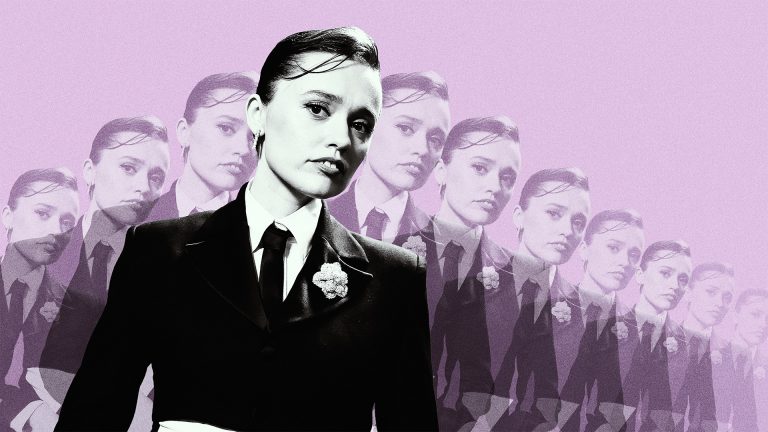
At the same time, the aesthetic pendulum has begun to swing the other way. Slight irregularities – a gap between front teeth, seen on actresses like Ayo Edebiri and Aimee Lou Wood – are increasingly being seen as distinctive and attractive features rather than flaws. In fact, when Wood was mocked for her teeth on an episode of Saturday Night Live, most people flocked to her defence and raged against the American obsession with a symmetrical smile.
In some cases, pronounced canine shapes are not being corrected, but proudly displayed: the Japanese “yaeba” trend presents slightly uneven or overcrowded teeth as youthful and endearing.
But don’t be fooled, this doesn’t mean dental work has gone out of fashion among the rich and famous. If anything, it has just become more sophisticated. A recent Telegraph article stated that, according to orthodontists, “natural” is now the ultimate flex, but only when it looks convincingly natural. The most expensive work is no longer the most obvious; for example, many actors now go for porcelain veneers that are designed to mimic translucency and minor asymmetry.
And, of course, even “natural” teeth themselves are still quite class-coded. Straight, well-spaced, evenly coloured teeth are rarely just genetic luck. They tend to reflect childhood orthodontics, diet, and access to preventative care over time.
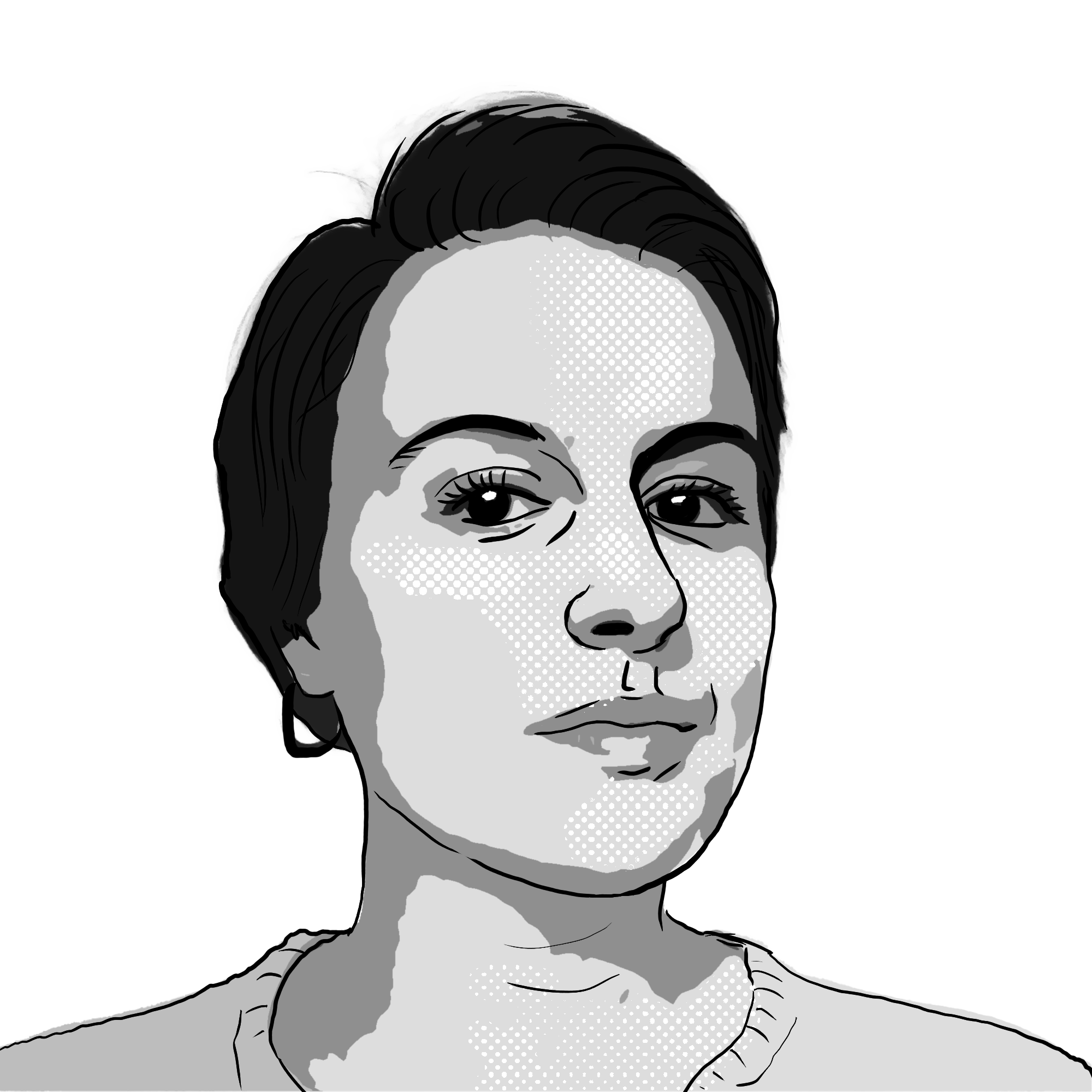
I’m glad there’s a growing backlash against the “Turkey teeth” look, not only because they look strangely uncanny, and badly done versions can leave people toothless and with hideous breath. It’s also because, for many years, I too have refused to smile open-mouthed for fear that my crooked incisors make me look like Dracula.
But if the new ideal is a “natural-looking” smile that is not natural but rather carefully engineered to look like nothing has been done, then we’re not really stepping out of the cycle. Once something becomes widely available to the “lower classes”, then the status game shifts towards something harder to copy, and inevitably more expensive.
If we’re going to embrace the “London look” (so called after Georgia May Jagger’s gap-toothed smile), why can’t it be with our real gnashers? That way, we don’t have to turn everything into a race to spend even more money on customising our appearance, chasing trends that move faster than anyone can keep up with.
Lucy Reade is a writer at The New World. Her bylines include the FT and the Times