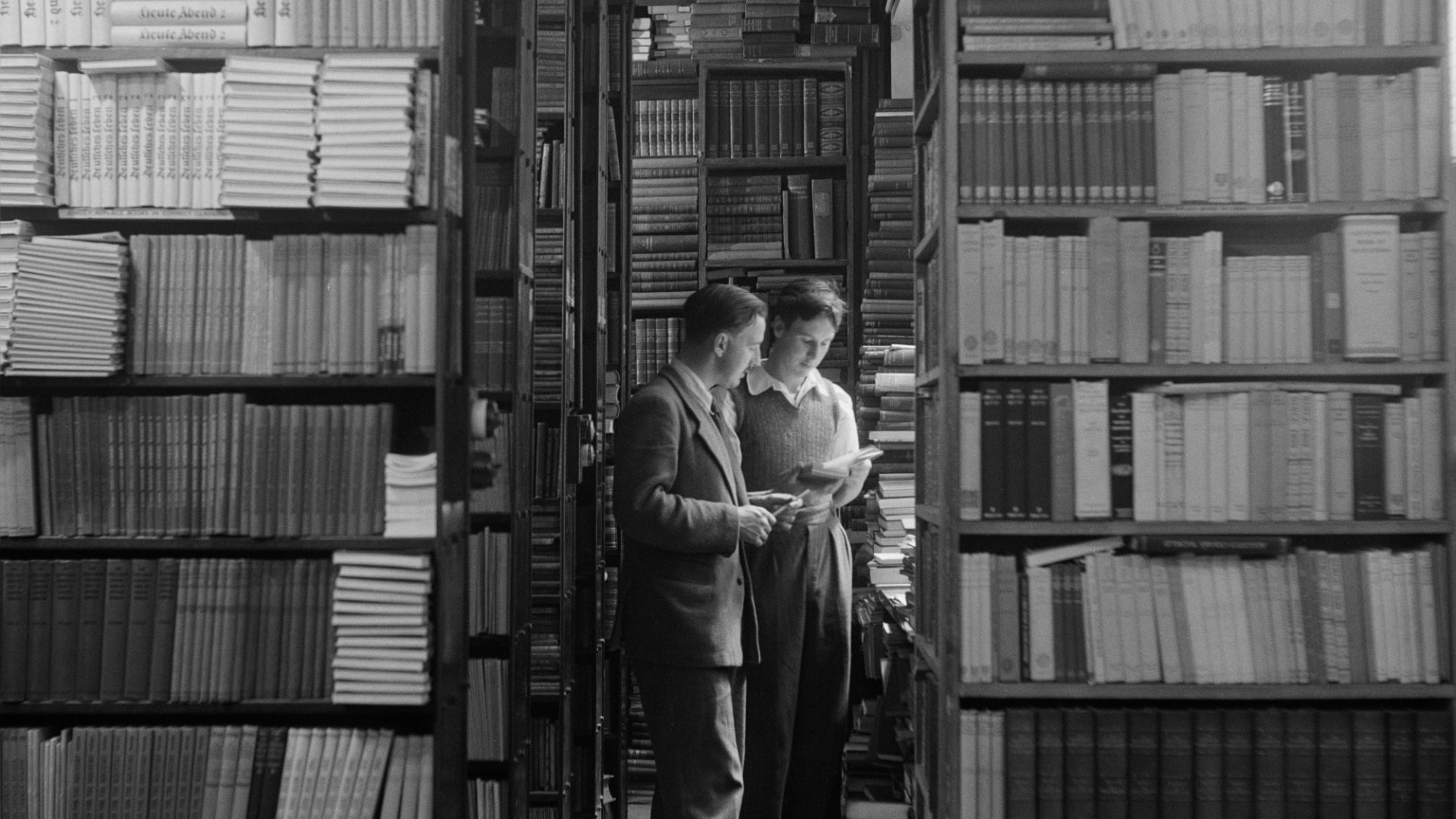
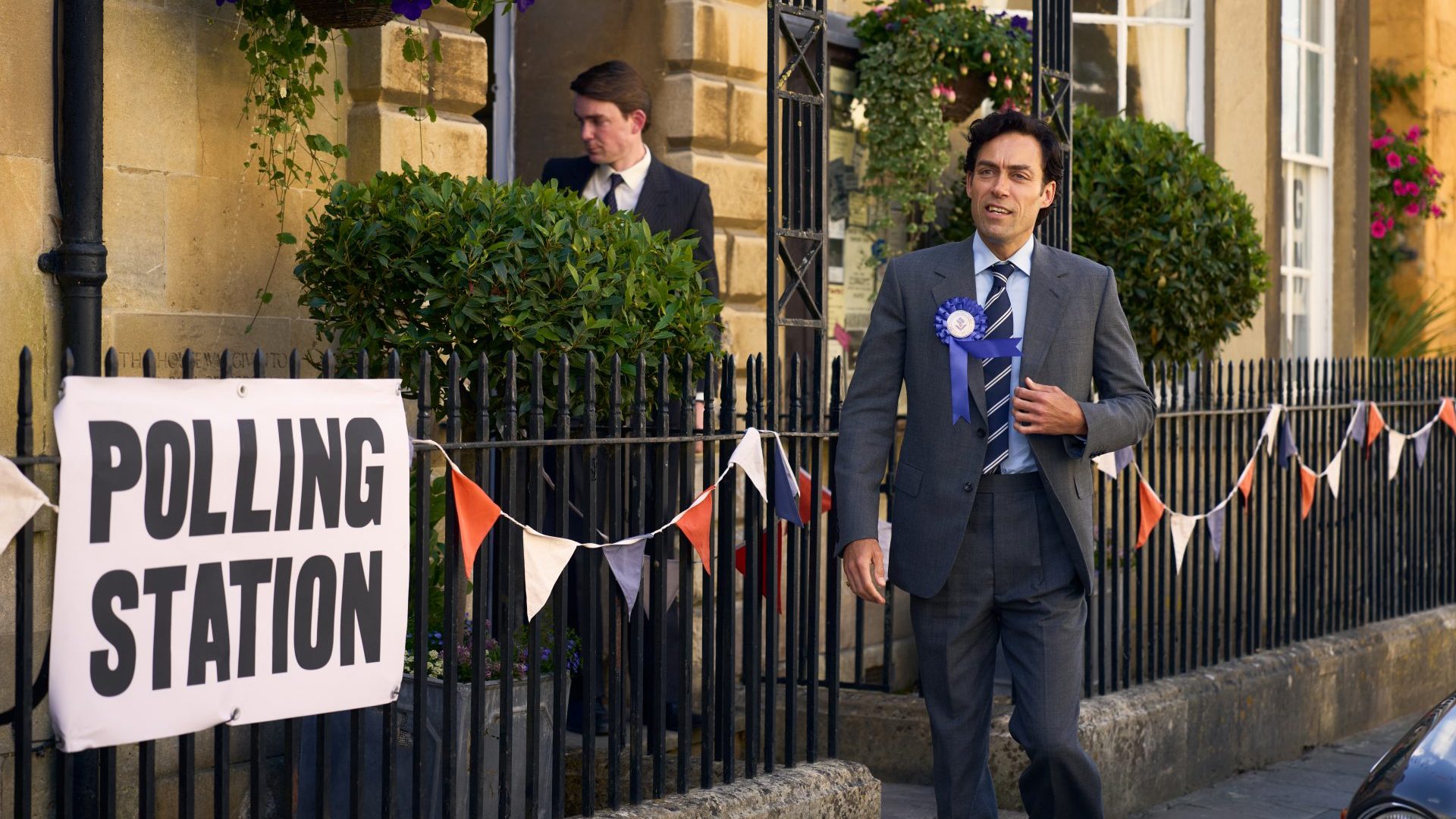
If you’ve been walking around wondering why Waitrose are selling Thousand Island-flavoured sandwiches, and everyone is suddenly talking about Danny Dyer being a sex symbol — fear not, you have not gone insane. It merely means that Rivals is back.
The second series of the ‘bonkbuster’ based on Jilly Cooper’s Rutshire Chronicles has been eagerly awaited by fans across the world. And though I’m reliably told that these books were a smash hit with my mother’s generation, the Disney adaptation of her work has opened it up to Gen Z, who absolutely love it.
Which is rather strange, considering it is my generation who reliably chanted “F*ck the Tories” at any given opportunity, and who tend to have far stricter attitudes towards infidelity than their parents did — only to become utterly obsessed with a programme about a load of adulterous Conservatives.
Suggested Reading


Secret Service is today’s spy thriller wrapped in yesterday’s politics
But perhaps that is because the Conservatives of Rivals belong to a version of the party that barely exists anymore. The Tory Party of the 1980s — or at least the fantasy of it presented in Jilly Cooper’s world — was all old Etonians, ambitious yuppies, horsey Sloanes and swaggering businessmen. They drank champagne, smoked indoors and flirted outrageously.
Compare that to the modern Conservative Party, where the average voter is 63 and half the country couldn’t name half the shadow Cabinet. The posh ones all seem to vote Lib Dem now, while the working-class right have drifted towards Reform. Though boringness is an insult levelled today almost exclusively at Keir Starmer and Rachel Reeves, somewhere along the line, the Tories stopped being decadent and started becoming dull too.
And that is what makes Rivals so fascinating. Pretty much every character in it — heroes and villains alike — is a Conservative. Yet the audience is still encouraged to root for them, fancy them, and occasionally forgive them almost anything.
Suggested Reading
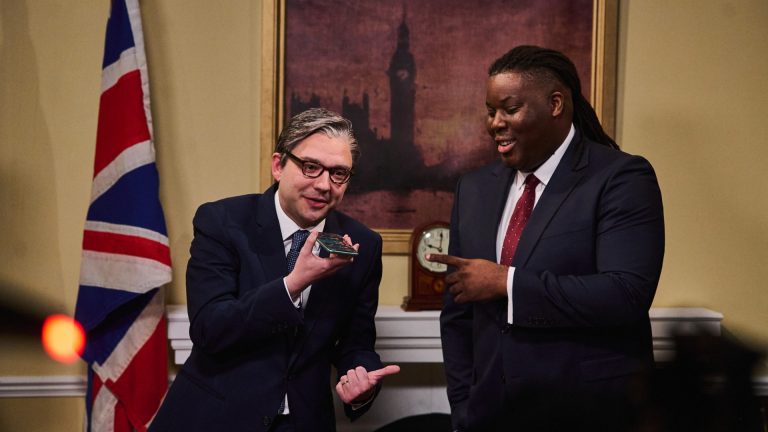

The UK Saturday Night Live is an unexpected hit – and this is why
In a world where people seem increasingly unable to separate politics from art — for example, there was backlash to Sean Penn winning the best supporting actor Oscar because the character he portrayed was racist — why then do the Tory voters and politicians in Rivals get a pass?
I have a theory.
The opening scene of the first series depicts a fictional member of Thatcher’s cabinet joining the Mile-High Club. It is hard to imagine any member of today’s Shadow Cabinet — or indeed any frontbench politician — doing anything remotely interesting in today’s aggressively beige political landscape.
The Conservative Party is not cool right now. They’re not cool to love, but they’re not cool to hate either. Alan B’Stard, the money-grabbing, womanising, occasionally murderous MP from TV’s The New Statesman was the perfect villain – there was something decadent and excessive about the politicians he caricatured. But you couldn’t really make a comic equivalent today because there’s nobody left to parody.
Now, no-one wants their politicians having sex at 30,000 feet in a lavatory cubicle, or poisoning their political opponents – but a bit of character wouldn’t go amiss.
One of my favourite scenes in The Thick of It is when veteran MP Peter Mannion argues with spin doctor Stewart Pearson about tucking his shirt in. – “I always tuck my shirt in, it’s part of getting dressed. What, should I not do my fly up either? Let the old chap flop out. Is that modern enough for you?”
The episode aired in January 2007, a time when Kenneth Clarke and William Hague sat on the opposition benches, and it satirised a particular type of Conservative politician. Now, the splendid Peter Mannion feels like a relic from a bygone era.
Suggested Reading


Why won’t young US celebrities speak out against Trump?
Of course, these politicians are all fictional. But real politicians — Tory and otherwise — have always benefited from being seen as charming, glamorous or faintly sexy. Think of the “Cameronettes” era around David Cameron, or the almost rockstar treatment once afforded to Tony Blair.
Even now, the internet remains bizarrely desperate to inject sex and romance into politics; just look at the endless TikTok edits imagining affairs between members of New Labour. The children, it seems, yearn not just for sexier politicians, but for politicians who appear to have sex at all…
People care more than ever about image.
Kemi Badenoch’s Conservatives have had a little go at recapturing some personality: a recent video of her and James Cleverly discussing abolishing stamp duty had a distinctly 1980s feel to it. If I were their director of communications, I’d encourage them to go full Rivals and fully embrace the yuppie, Sloane-y, pony-club aesthetic of their forefathers. And compared to the distinctly classless and tacky Reform UK, it might just swing a few people around.
Though perhaps let’s skip shagging on Concorde.